Nutrition & Recovery
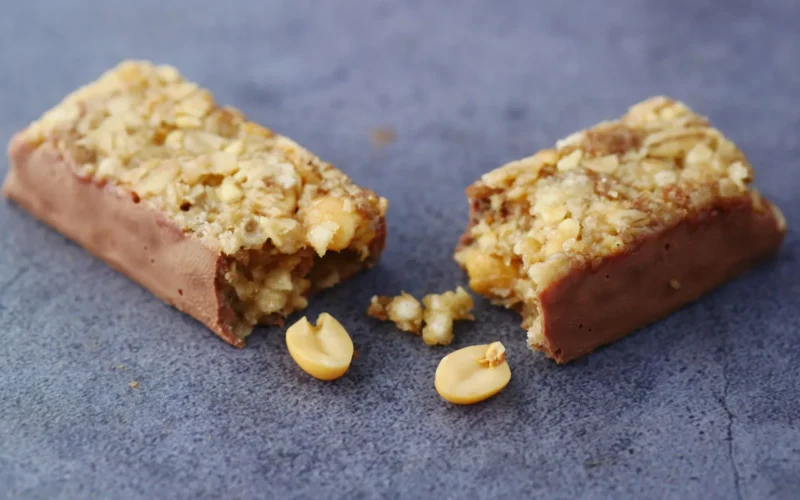
Best Energy Bars for Athletes: Top Picks for Performance
The right energy bar depends on when you eat it and what you're training for. Here are seven tested picks, with exact macros and honest trade-offs.
Fuelling
The right energy bar depends on when you eat it and what you're training for. Here are seven tested picks, with exact macros and honest trade-offs.
Lose 2% of your body weight in fluid and power output drops 10–15%. Here's how much to drink, when, and what electrolytes you actually need—by sport and session length.
Muscle repair starts the moment you rack the bar. Hit 20–40 g protein and 0.5–1 g carbs per pound of bodyweight within 2 hours, and your body has what it needs to rebuild.
Match carb type and timing to your training, and you'll perform better and recover faster. Here's exactly what to eat and when.
Eat protein and carbs within 2 hours post-workout to refuel muscles and speed recovery.
Eat carbs and protein 30 minutes to 3 hours before your workout to fuel performance and avoid cramping or fatigue.
Whole foods are cheaper and more filling. Powder is faster and more portable. Here's how to split them based on your schedule, budget, and recovery window.
Whey concentrate at $0.80–$1.20 per serving is the best protein powder for most lifters chasing muscle gain. Here's when to upgrade—and when not to.
Athletes need 1.2–2.0g protein per kg bodyweight daily. Here are the best sources ranked by bioavailability, cost, and convenience.
Most sedentary adults need 0.8g of protein per kilogram of body weight daily. Athletes and muscle builders need 1.6–2.2g/kg. A 70kg person lifting 3–5 days a week should target 112–154g daily.