This article may contain affiliate links. If you buy through them we may earn a commission at no extra cost to you.
Muscle repair starts the moment you rack the bar. Hit 20–40 g protein and 0.5–1 g carbs per pound of bodyweight within 2 hours, and your body has everything it needs to rebuild. Miss those windows consistently and you’ll feel sore for 72 hours instead of 24, stall on lifts, and creep toward overtraining.
Three levers drive recovery: amino acids to rebuild torn fibers, glycogen to stop your body from cannibalizing muscle for fuel, and fluid to keep protein synthesis running at full speed. Here’s how to pull each one.
Protein: The Foundation of Muscle Repair
After training, your muscles stay primed to absorb amino acids for 24–48 hours, with the first 2 hours being the most productive window. Aim for 20–40 g of protein per meal on training days. Under 150 lbs? The 20–25 g end is enough to trigger muscle protein synthesis. Over 200 lbs or training twice a day? Push toward 35–40 g.
Best protein sources for recovery
- Whey protein powder: 25 g per scoop, absorbs in 30–60 minutes — best for immediate post-workout
- Chicken breast: 31 g per 3.5 oz, slower digestion — good for meals 2–4 hours post-workout
- Eggs: 6 g per egg, includes choline for muscle function
- Greek yogurt: 10–20 g per 100 g serving, includes probiotics
- Lean beef: 26 g per 3.5 oz, includes creatine and iron
- Fish: 20–25 g per 3.5 oz, includes omega-3s that blunt inflammation
See our guide on how much protein you need daily for a target based on your bodyweight and training volume.
Carbohydrates: Refill Your Energy Tank
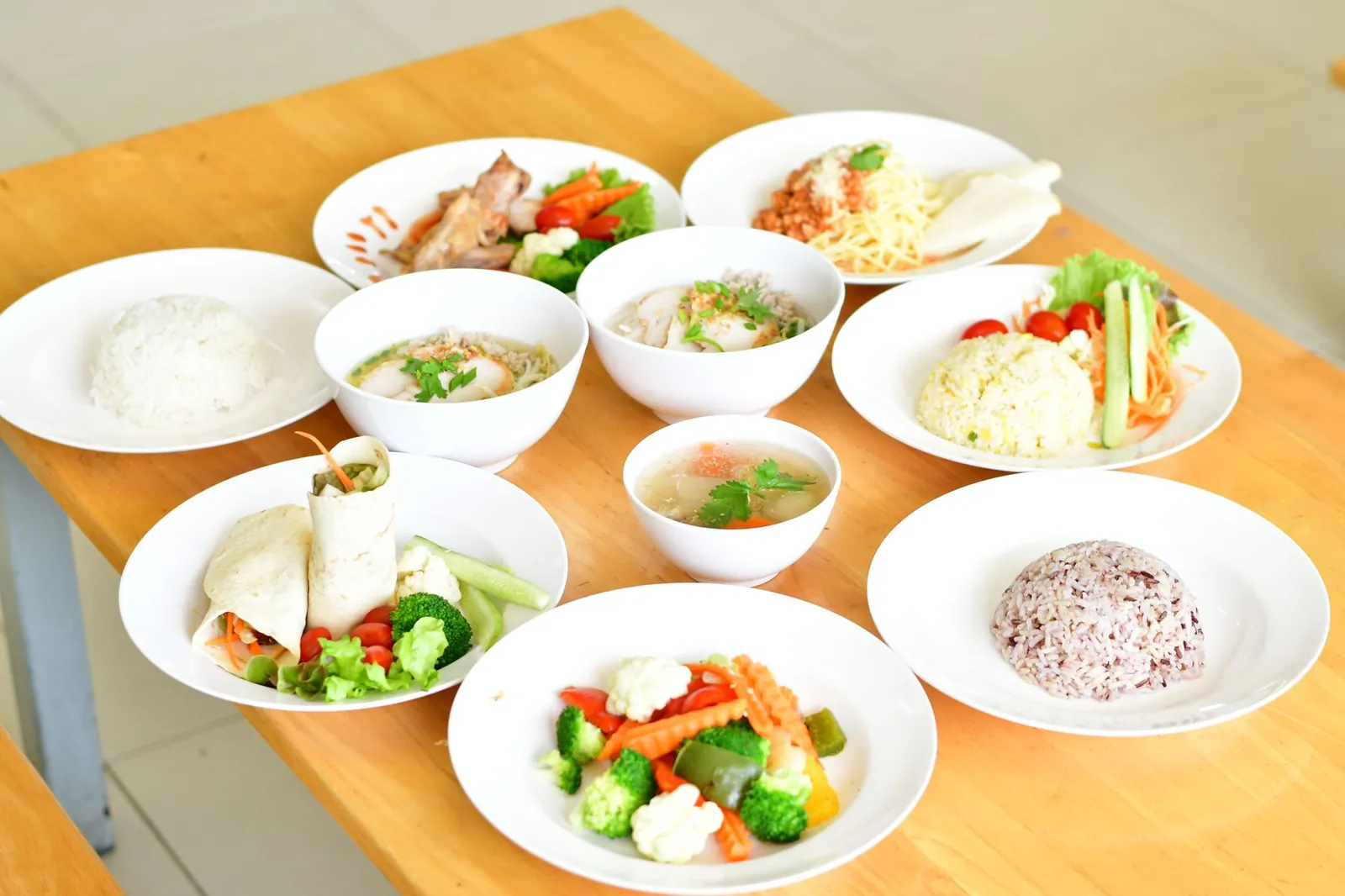
Depleted glycogen tells your body to break down muscle for energy. Carbs stop that signal. Within 2 hours of finishing your session, eat 0.5–1 g of carbs per pound of bodyweight. A 180-lb person needs 90–180 g — roughly:
- 2–3 cups of white rice
- 3–4 medium potatoes
- 2–3 large bananas plus a slice of bread
- 1–1.5 cups of oats
White rice and potatoes digest faster than brown rice or oats, spike insulin quickly, and shuttle amino acids into muscle faster. Save the whole grains for other meals when speed doesn’t matter.
Pair fast carbs with protein in your post-workout meal — the combination drives recovery, not either nutrient alone.
Hydration and Electrolytes
Lose just 2% of bodyweight in sweat and protein synthesis slows measurably. A hard 60-minute session costs 1–2 liters. Rehydrate with 16–24 oz of fluid for every pound of bodyweight lost — weigh yourself before and after if you want a precise number.
Water vs. sports drinks
Plain water handles sessions under 60 minutes. For longer or very intense efforts, a sports drink with 4–8% carbs (6–8 g per 100 ml) and 300–600 mg sodium per liter speeds both glycogen replenishment and fluid absorption. Sodium keeps your body from excreting the water before tissues can use it.
Spread rehydration over 4–6 hours post-workout. Drinking a liter all at once raises cramping risk without improving absorption speed.
Micronutrients That Speed Recovery
You don’t need a cabinet full of supplements. A post-workout plate of chicken, rice, and vegetables covers most of these. But if your diet is narrow, these are the gaps that actually slow repair:
- Vitamin C: 100–200 mg post-workout supports collagen synthesis in tendons — citrus, berries, or peppers
- Zinc: 8–11 mg daily is required for protein synthesis and immune function — beef, pumpkin seeds, or oysters
- Magnesium: 300–400 mg daily reduces soreness and deepens sleep — almonds, spinach, or dark chocolate
- Iron: 8–18 mg daily carries oxygen to repairing muscle — red meat or fortified cereals
- Omega-3 fatty acids: 1–2 g daily blunts inflammation — fatty fish, walnuts, or flaxseed
Timing Your Post-Workout Meal
The old “30-minute anabolic window” is overstated — your muscles stay receptive for 24–48 hours. Sooner is still better than later, though. Here’s a practical framework:
Within 2 hours: Eat 20–40 g protein and 40–80 g carbs. A whey shake with a banana and rice cakes takes 5 minutes and performs as well as a full sit-down meal.
2–4 hours post-workout: A normal meal with slower-digesting protein — chicken, fish, or beef — keeps amino acid delivery steady while glycogen continues to refill.
4+ hours: Recovery continues but slows. Consistent protein every 3–4 hours across the day matters more at this point than any single meal.
For specific meal ideas, see our article on what to eat after a workout.
Recovery Nutrition Mistakes Worth Fixing
Undereating total calories
Perfect protein timing still fails if your daily calorie intake is below maintenance. Repair costs energy. If you’re cutting, keep protein high (0.8–1 g per lb of bodyweight) to preserve muscle while the deficit does its job.
Cutting carbs to save calories
Low-carb diets slow glycogen replenishment and raise cortisol, which breaks down muscle tissue. If you need to trim calories, reduce fat grams first — carbs earn their place on training days.
Going too long without protein
Six-plus hours between meals on a training day slows repair noticeably. A Greek yogurt or a protein shake between meals is enough to keep amino acid delivery consistent.
Ignoring sleep
Growth hormone peaks during deep sleep and drives the bulk of overnight muscle protein synthesis. Seven to nine hours isn’t a nice-to-have — it’s where the adaptation actually happens. Magnesium-rich foods at dinner and cutting caffeine 6+ hours before bed both help.
Recovery Nutrition at a Glance
| Nutrient | Target | Timing | Best sources |
|---|---|---|---|
| Protein | 20–40 g per meal | Within 2 hours; every 3–4 hours after | Whey, chicken, eggs, fish |
| Carbohydrates | 0.5–1 g per lb bodyweight | Within 2 hours post-workout | White rice, potatoes, bananas |
| Fluid | 16–24 oz per lb lost | Over 4–6 hours post-workout | Water; sports drink for sessions 60+ min |
| Omega-3s | 1–2 g daily | Any meal | Salmon, walnuts, flaxseed |
| Magnesium | 300–400 mg daily | Evening meal works well | Almonds, spinach, dark chocolate |
Frequently asked questions
Do I need a special recovery drink or is food enough?
Whole food is your first choice. A whey-plus-carbs shake earns its place only when you can’t eat solid food within 2 hours of training — travel, early morning sessions, or back-to-back workouts. For most people training once a day at moderate intensity, a regular meal works just as well and costs less per gram of protein.
Can I recover on a vegan diet?
Yes. Lentils, tofu, tempeh, and hemp seeds all work, but plant proteins are less concentrated — you’ll need more volume to hit 20–40 g per meal. Combine sources (rice plus beans, for example) to cover all essential amino acids. Total daily protein and consistent timing matter more than whether the source is animal or plant.
How does age affect recovery nutrition?
Adults 50 and older often need 25–40 g of protein per meal — the higher end of the range — to trigger the same muscle protein synthesis response as younger athletes. Recovery also stretches longer: expect 48–72 hours instead of 24–48. The priorities don’t change; the doses and patience required do.
Are BCAAs or creatine necessary for recovery?
BCAAs are redundant if you’re already hitting your daily protein target — you’re paying for amino acids you’re already getting from food. Creatine (5 g daily) supports strength and muscle gain over weeks of consistent use, but it’s not a session-by-session recovery tool. Protein and carbs deliver 90% of the benefit at a fraction of the cost.
What if I train fasted or first thing in the morning?
Fasted training doesn’t damage recovery as long as you eat a solid meal within 2 hours afterward. Your muscles stay primed regardless. If you feel dizzy or weak mid-session, a banana or a scoop of protein beforehand fixes that — but it’s a performance issue, not a recovery one.

Casey is a certified strength coach and trail runner who tests gear by breaking it.