This article may contain affiliate links. If you buy through them we may earn a commission at no extra cost to you.
Eat 20–40g of protein and 30–80g of carbs within 30–60 minutes of finishing your workout. That combination repairs muscle fibers, restores glycogen, and cuts next-day soreness. The longer you wait, the slower recovery gets—though eating within 2–3 hours still beats skipping the meal entirely.
Why the Post-Workout Window Is Real
Exercise depletes glycogen and creates micro-tears in muscle fibers. For 2–3 hours after training, insulin sensitivity spikes and your muscles absorb amino acids and glucose faster than at rest. Miss that window and you’ll feel it: flatter energy, more soreness, and a harder session 24 hours later.
You don’t need a full meal. A 300–500 calorie snack with the right protein-to-carb ratio recovers muscle just as effectively and digests faster.

Timing: When to Eat After Your Workout
The 30–60 minute mark
This is when insulin sensitivity peaks. A shake, bar, or quick snack works perfectly here—you don’t need a sit-down meal.
Up to 3 hours post-workout
A full meal eaten 90 minutes after training still delivers strong recovery. Don’t panic if you can’t eat immediately. Just don’t push past 3 hours after intense exercise.
Intensity changes the urgency
A 30-minute walk doesn’t demand urgent refueling. A 60-minute lifting session or a HIIT class does. The harder you trained, the tighter the window matters—aim for 30 minutes post-HIIT, 60 minutes post-strength work, and up to 2 hours after moderate cardio.
Protein: How Much You Actually Need
Protein repairs the micro-tears that make muscles grow. Your target depends on body weight and session intensity:
- Under 150 lbs: 20–30g protein
- 150–200 lbs: 25–40g protein
- Over 200 lbs: 35–50g protein
Eating more than 40g in one sitting doesn’t accelerate muscle synthesis—your body uses roughly 20–40g per meal for repair. Spread the rest across 3–4 meals through the day.
Carbohydrates: Refilling What You Burned
Without carbs, glycogen stays low and you’ll feel flat for the next 24+ hours. Scale your intake to what you actually did:
- Light activity (walking, yoga): 15–30g carbs
- Moderate cardio (30–45 min running): 30–60g carbs
- Strength training (60 min lifting): 40–80g carbs
- High-intensity training (HIIT, CrossFit): 60–100g carbs
Pair carbs with protein—a 2:1 or 3:1 carb-to-protein ratio stabilizes blood sugar and speeds muscle repair faster than protein alone.

Best Post-Workout Foods and Meals
Quick snacks (within 30–60 minutes)
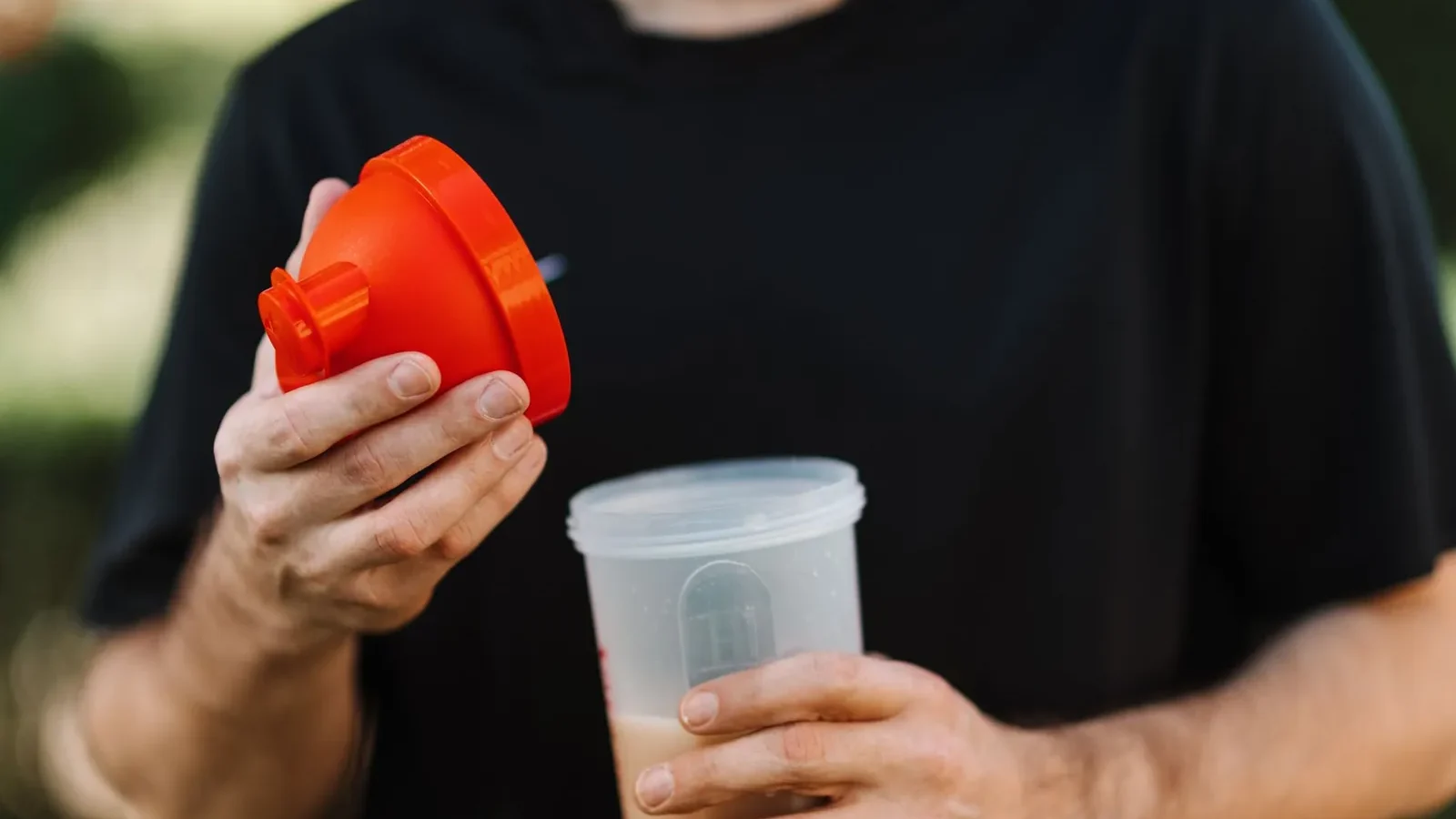
- Protein shake + banana: ~25g protein, 27g carbs, ready in 2 minutes
- Greek yogurt + granola + berries: 15–20g protein, 45g carbs, 5 minutes
- Chocolate milk (2%): 8g protein, 26g carbs, zero prep
- Rice cakes + almond butter + honey: 8g protein, 40g carbs, 3 minutes
- Protein bar + apple: 20–25g protein, 35–45g carbs, fully portable
Full meals (within 1–3 hours)
- Grilled chicken + sweet potato + broccoli: 35g protein, 50g carbs, 25 minutes
- Salmon + white rice + asparagus: 30g protein, 55g carbs, 30 minutes
- Lean ground turkey + pasta + marinara: 30g protein, 65g carbs, 20 minutes
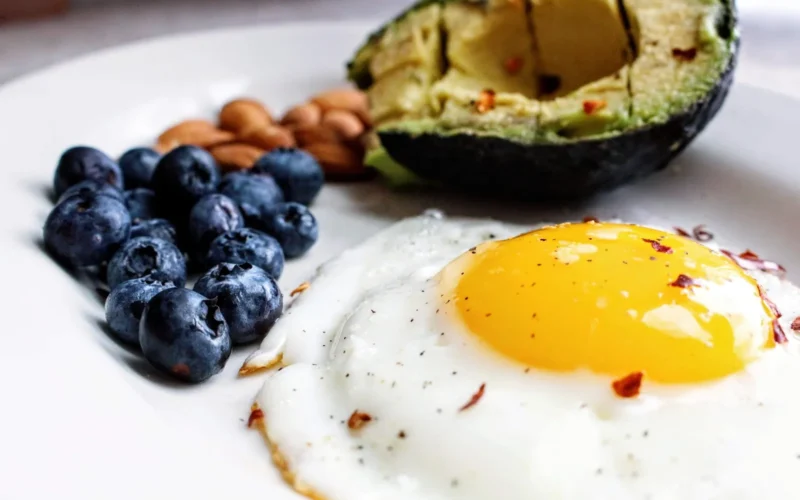
- Cottage cheese + oats + blueberries: 28g protein, 50g carbs, 5 minutes
- Tuna sandwich on whole wheat + orange: 25g protein, 45g carbs, 5 minutes
Eat carbs and protein together post-workout—they work synergistically to repair muscle and refill energy faster than either alone.
Hydration and Electrolytes
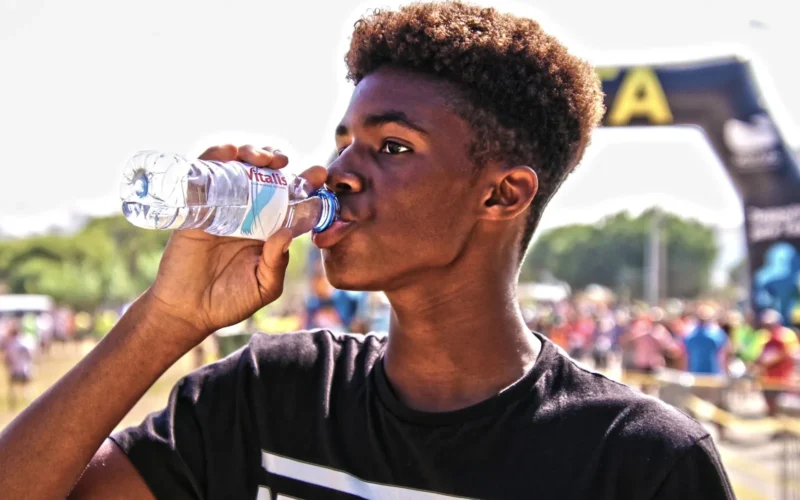
Drink 16–24 oz of water for every pound lost during your session. Weigh yourself before and after if you want a precise target—most people skip this and underdrink.
Plain water covers workouts under 60 minutes. For sessions over 90 minutes or heavy sweat, add sodium, potassium, and magnesium via coconut water, a sports drink, or electrolyte tablets. Electrolytes help you retain fluid, not just replace it.
Post-Workout Nutrition by Goal
Building muscle
Hit 25–40g protein and 50–80g carbs within 60 minutes of lifting. That combination drives muscle protein synthesis more effectively than protein alone. See our Nutrition for Muscle Recovery Guide for meal-by-meal breakdowns.
Fat loss
Keep protein at 25–35g to protect muscle while you’re in a calorie deficit. Hold carbs to 30–50g and skip added fats right after training—they slow digestion when speed matters. Skipping the meal entirely won’t burn more fat; it will tank your next session.
Endurance training
After a long run or ride, glycogen depletion is your main problem. Target 60–100g carbs and 15–25g protein—a 3:1 carb-to-protein ratio. The carbs come first; protein prevents muscle breakdown while glycogen rebuilds.
Five Mistakes That Slow Your Recovery
Waiting 4+ hours to eat. Even a small snack within 60 minutes beats a large meal eaten late. Don’t let perfect be the enemy of good.
Protein shake, no carbs. Glycogen stays depleted. You’ll feel it the next morning—heavy legs, low energy, higher soreness. Always add a carb source.
Overcounting recovery calories. A 400–500 calorie post-workout meal is enough for most people. Using every session as license for an extra 1,000 calories adds fat, not muscle.
Skipping water. Even mild dehydration (2% body weight) measurably slows recovery and drops next-session performance. Drink before you feel thirsty.
Shakes as a complete strategy. Whey or plant protein is convenient, not superior. Whole foods—chicken, eggs, rice, fruit—digest more slowly and deliver micronutrients no shake matches. Use shakes when time is short, not as your default.
Frequently asked questions
Do I need to eat immediately after my workout?
No, but within 30–60 minutes is ideal. A meal eaten 90 minutes post-workout still delivers strong recovery benefits. The hard cutoff for intense training is roughly 3 hours—after that, you’re leaving recovery on the table.
Can I eat a large meal right after working out?
Yes, but a 300–500 calorie meal with 25–40g protein and 50–80g carbs digests faster and causes less bloating than a large meal eaten immediately post-workout. Save the bigger plate for 60–90 minutes out if your stomach is sensitive.
Is a protein shake enough for post-workout recovery?
Only if you add carbs. Protein and water alone won’t refill glycogen. Blend in a banana, add oats, or chase the shake with juice. That one change makes a measurable difference in how you feel the next day.
How does post-workout nutrition differ from pre-workout nutrition?
Pre-workout meals (1–3 hours before) lean on easily digestible carbs and moderate protein to fuel performance. Post-workout meals flip the priority: protein to repair, carbs to refuel. See our What to Eat Before a Workout guide for pre-exercise specifics.
What if I’m not hungry after my workout?
Go liquid. A shake, smoothie, or even chocolate milk is easier to get down than solid food when appetite is suppressed. Banana with almond butter is another low-volume, high-return option. Your muscles need the fuel regardless of how your stomach feels.

Marcus is a cycling coach and hiker who plans routes down to the water stops.