Running & Cycling
Running Pace Guide for Beginners: Find Your Speed
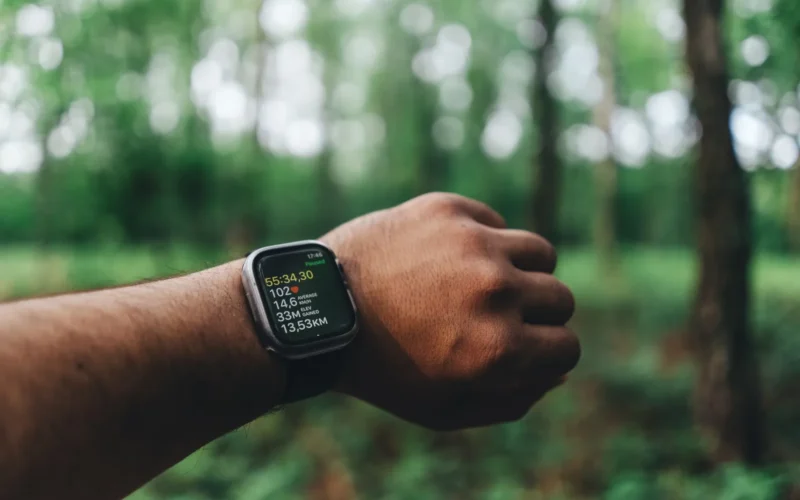
Start with easy pace (conversational speed), then build to tempo and speed work as fitness improves.
Shoes
Start with easy pace (conversational speed), then build to tempo and speed work as fitness improves.
Most running injuries are preventable. Fix your mileage progression, strengthen your hips, and recover properly—and you cut your risk dramatically.
Improve aerobic fitness by running at the right intensity, building mileage gradually, and mixing up your training stimulus.
A 12-week half marathon plan builds your aerobic base with 3–4 runs weekly, peaking at 10–12 miles before a 40–50% taper in week 12.
Zone 2 is low-intensity, high-volume training that builds aerobic capacity without overtraining.
This 8-week plan takes you from 2.5-mile easy runs to race day using four sessions per week, progressive mileage, and pacing targets you can actually hit.
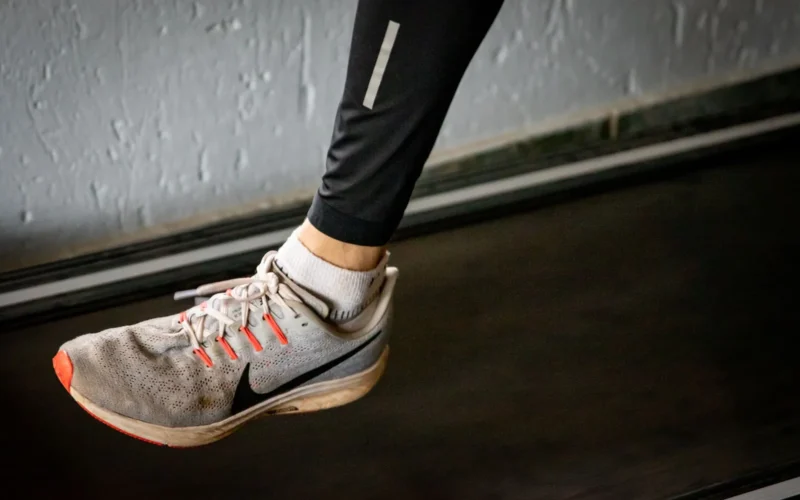
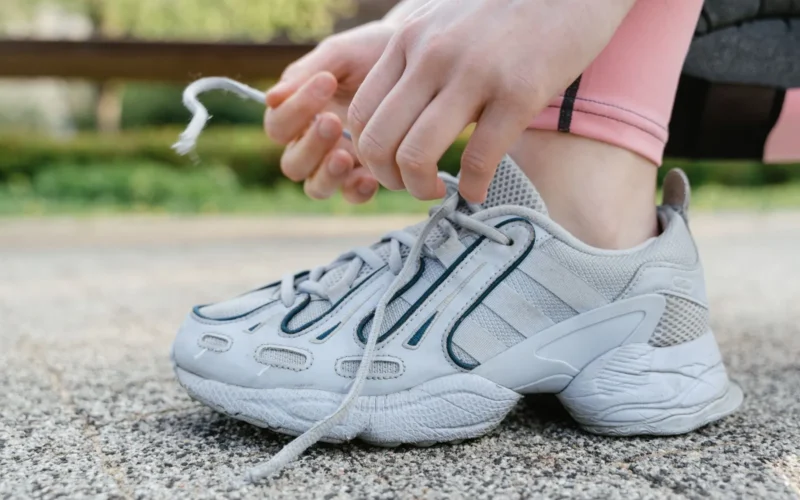
Start right with shoes that match your foot type, budget, and running goals—not hype.
The right running shoe matches your gait pattern, foot type, and weekly mileage. Here's how to find it in under 30 minutes—without guessing.
Flat feet need a stability shoe with a firm medial post, 8–12 mm drop, and structured arch support—not soft cushioning. These six picks cover every mileage level from 5-mile easy runs to marathons.
Overpronation shoes use medial posts and firmer midsoles to slow inward foot roll and reduce knee, shin, and arch pain. Here are five tested picks across every budget and surface.