
This article may contain affiliate links. If you buy through them we may earn a commission at no extra cost to you.
Most beginners run too fast on easy days and too slow on hard days. That one mistake stalls progress and is the leading mechanical cause of overuse injuries in new runners. Here are the exact pace ranges you need, how to find your personal numbers, and when to use each type of run.
Finding Your Baseline Pace
You need a starting number before anything else. Three ways to get one:
The 1-mile test
Run one mile at a pace that feels hard but sustainable—not a sprint, not a jog. Record the time. That’s roughly your current 5K pace and your benchmark for every calculation below.
Use a pace calculator
If you’ve run a recent 5K or timed effort, plug the result into a free online pace calculator (Garmin Connect and Runner’s World both have them). You’ll get your easy, tempo, and VO2 max paces in under a minute.
The talk test
No data at all? Run 20 minutes at a speed where you can speak short sentences but not sing. Check your watch. That’s close to your easy pace—usually 1–2 minutes per mile slower than your 5K pace.
You should be able to hold an easy run conversation; if you can’t, you’re too fast.
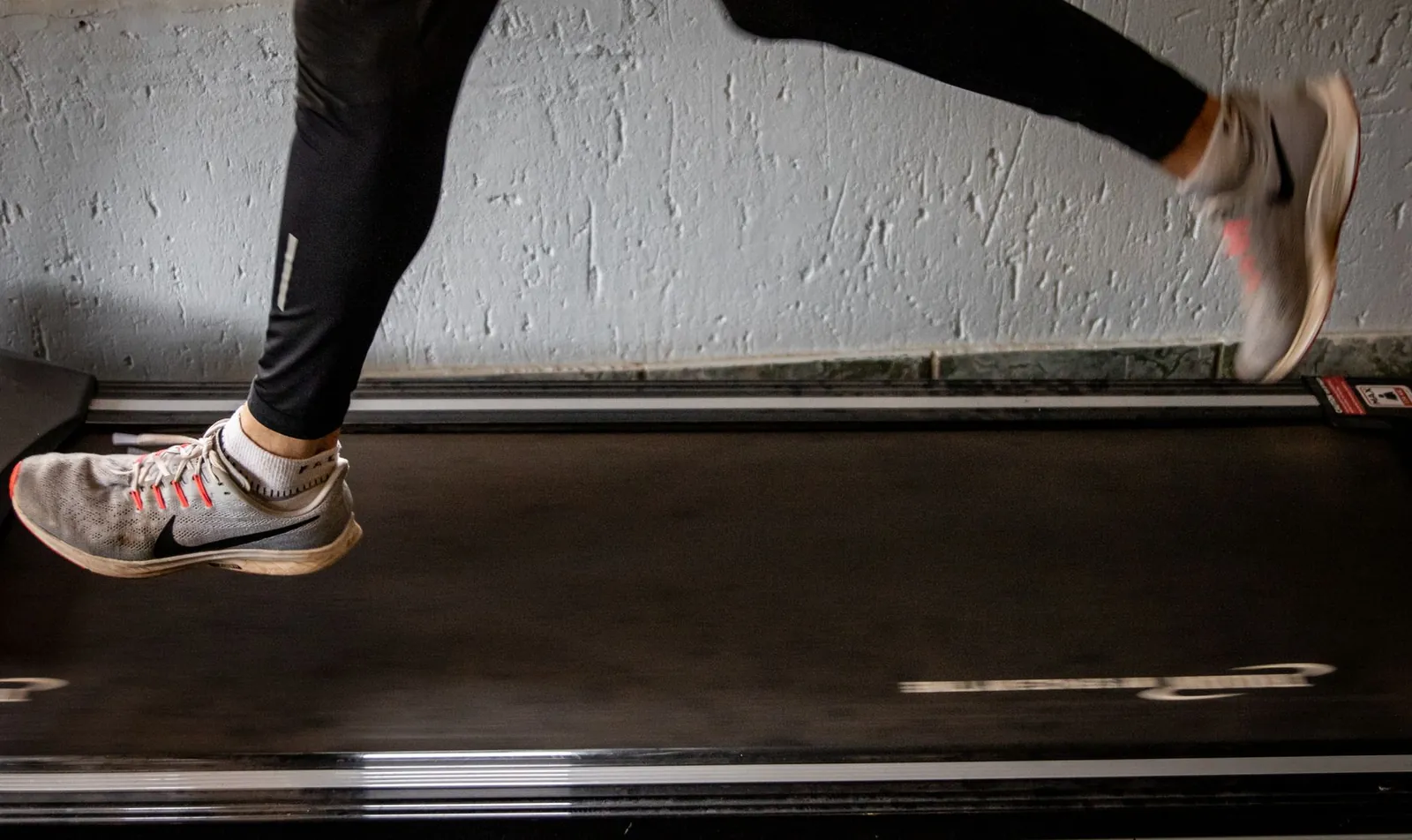
Easy Pace: Your Most Important Workout
Easy pace is where 70–80% of your weekly mileage belongs. It feels slow. That’s the point.
Easy pace range for beginners
Target 1.5–2 minutes per mile slower than your 5K race pace. At a 10:00/mile 5K pace, that puts your easy runs at 11:30–12:00/mile. On a treadmill, start at 4.5–5.5 mph and adjust until you can speak full sentences without gasping.
Why run easy?
- Builds aerobic base: Trains your body to use fat for fuel and increases capillary density in working muscles.
- Allows recovery: Lower intensity means less muscle breakdown and faster adaptation between sessions.
- Reduces injury risk: Easy runs don’t hammer joints and tendons the way fast runs do.
- Improves consistency: You can repeat easy runs daily without burnout.
A solid beginner week: 3–4 easy runs of 20–30 minutes each, with 1–2 rest days. Don’t add speed work until you can run easy for 30 minutes without stopping.
Tempo Pace: Building Speed Endurance
Tempo pace is the speed you can sustain for 20–30 minutes while staying uncomfortable but controlled—faster than easy, slower than a 5K race.
Tempo pace range
Aim for 20–30 seconds per mile slower than your 5K pace. At a 10:00/mile 5K pace, tempo sits at 9:30–9:40/mile. You should be able to grunt out a few words but not hold a conversation.
When to add tempo work
Wait until you’ve run consistently for 6–8 weeks and can comfortably cover 30 minutes at easy pace. Then add one tempo session per week, structured like this:
- 5–10 minute easy warm-up
- 15–20 minutes at tempo pace
- 5–10 minute easy cool-down
Tempo runs raise your lactate threshold—the speed at which lactic acid accumulates faster than your body clears it. A higher threshold means you can race faster before hitting that wall.
Interval and Speed Pace: Advanced Work
Speed work is the sharpest tool in the kit and the riskiest. Don’t rush it.
When you’re ready
Add speed work only after 3+ months of consistent easy and tempo running. Your tendons and connective tissue need that base; they adapt slower than your cardiovascular system does.
Common interval paces
5K pace: The speed you can hold for a full 5K—typically 30–60 seconds per mile faster than your easy pace. Use this for 400m–1 mile repeats.
VO2 max pace: Roughly 10–15 seconds per mile faster than 5K pace. Use for 3–5 minute repeats. You should be breathing hard and unable to speak.
Sample speed workout
- 10 minute easy warm-up
- 6 × 800m at 5K pace, 90 seconds easy jog between repeats
- 10 minute easy cool-down
Cap speed work at once per week. Your body adapts during rest, not during the workout itself. Run easy or take a full rest day after every speed session.
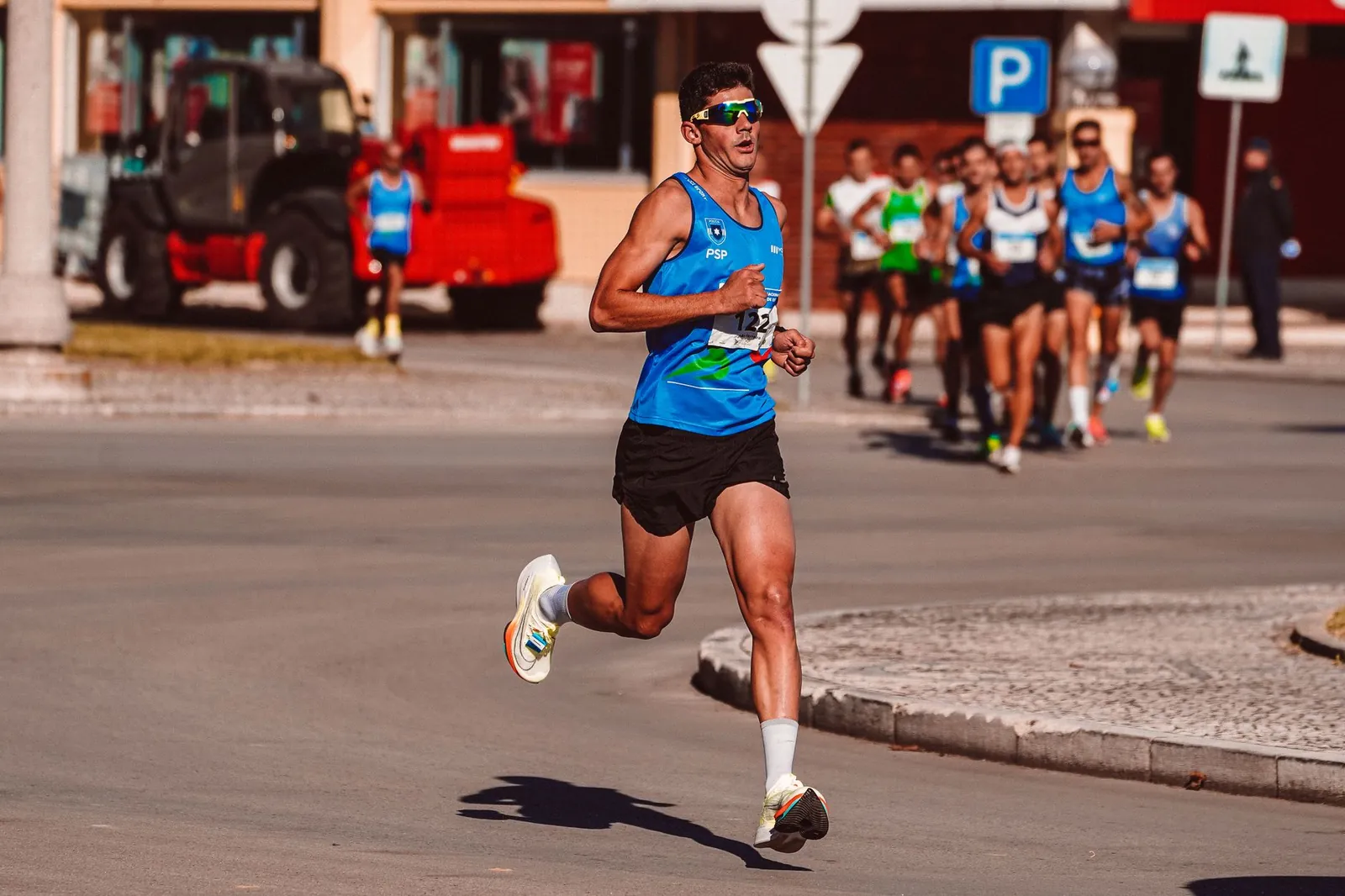
Pace Reference Table
| 5K Race Pace | Easy Pace | Tempo Pace | Speed/Interval Pace |
|---|---|---|---|
| 8:00/mile | 9:30–10:00/mile | 7:30–7:40/mile | 7:45–8:00/mile |
| 9:00/mile | 10:30–11:00/mile | 8:30–8:40/mile | 8:45–9:00/mile |
| 10:00/mile | 11:30–12:00/mile | 9:30–9:40/mile | 9:45–10:00/mile |
| 11:00/mile | 12:30–13:00/mile | 10:30–10:40/mile | 10:45–11:00/mile |
| 12:00/mile | 13:30–14:00/mile | 11:30–11:40/mile | 11:45–12:00/mile |
Common Pace Mistakes Beginners Make
Running easy runs too fast
The most common error. You feel good, so you push. This burns through glycogen, delays recovery, and kills aerobic adaptation. If you’re not slightly bored, you’re probably too fast. Slow down.
Running hard runs too slow
Holding back on tempo and interval days out of injury fear means you never get the stimulus to improve. Tempo should feel uncomfortable. Speed repeats should feel hard. That discomfort is the adaptation signal.
Skipping the warm-up and cool-down
A 5–10 minute easy jog before and after every workout prepares muscles and joints, then brings heart rate down gradually. Skip it and you raise injury risk on both ends of the session.
Chasing pace too quickly
Increase your easy pace by no more than 15–30 seconds per mile every 3–4 weeks. Connective tissue adapts on a 6–8 week cycle; your lungs will feel ready long before your tendons are.
Training Plans That Use These Paces
If you’re starting from zero, our Couch to 5K Training Plan Guide uses 9 weeks of easy run–walk intervals built around your current fitness level. Once you can run 30 minutes straight, move to our 5K Training Plan for Beginners, which layers in tempo and speed work at the right time.
Tools to Track Your Pace
- GPS watch: Garmin Forerunner 55, Apple Watch SE, or Coros Pace 3. Best for real-time pace feedback and post-run data. Cost: $150–$500.
- Phone app: Strava or MapMyRun. Free or ~$5/month. Accurate enough for beginners; uses your phone’s GPS.
- Treadmill: Shows pace in real-time. Best for learning your paces in a controlled environment with zero weather variables.
- Measured loop: Mark a 1-mile route with Google Maps, then time yourself with any stopwatch. Low-tech but honest.
Pick one tool and use it on every run. Consistency in measurement beats precision.
Frequently asked questions
What’s a good easy pace for a beginner?
Easy pace is typically 1.5–2 minutes per mile slower than your 5K race pace. If you don’t have a 5K time, use the talk test. For most beginners, easy pace lands between 10:00–13:00/mile, depending on current fitness, age, and terrain.
How do I know if I’m running too fast on easy days?
Use the talk test. If you can’t speak a full sentence without gasping, slow down by 30–60 seconds per mile and try again. Easy runs should feel almost boring—that’s not a flaw, it’s the goal.
Can I run faster than my easy pace on every workout?
No. Running hard every day burns you out and raises injury risk significantly. Stick to 3–4 easy runs per week, then add one tempo or speed workout after 6–8 weeks of base building. The target ratio is roughly 80% easy, 20% hard.
What pace should I run a 5K race?
If you haven’t raced a 5K before, run the first mile at your easy pace, then push the final two miles. You’ll find your true 5K pace through experience. After one or two races, plug your finish time into a pace calculator and use that number going forward.
Does pace change with age or weather?
Yes to both. In heat and humidity, your easy pace can slow by 30–90 seconds per mile—adjust your targets and don’t fight it. As you age, max heart rate and VO2 max typically decline, so paces slow gradually over years. Both are normal. Train to your current conditions, not last season’s numbers.

Casey is a certified strength coach and trail runner who tests gear by breaking it.