Gear & Equipment
Best Recovery Tools for Athletes: Top Gear Picks 2024
The right recovery tools cut soreness by 24–48 hours and boost your next workout. Here's what actually works.

Casey is a certified strength coach and trail runner who tests gear by breaking it.
The right recovery tools cut soreness by 24–48 hours and boost your next workout. Here's what actually works.
Start with easy pace (conversational speed), then build to tempo and speed work as fitness improves.
Three ultralight pack systems, overhauled boot soles, and GPS watches with 35-day battery life hit trails in 2024. Here's what solves real problems—and what to skip.
Spring marathons peak February–April, fall marathons dominate September–November, and summer is prime 5K and 10K territory. Here's how to build a race calendar around those windows.
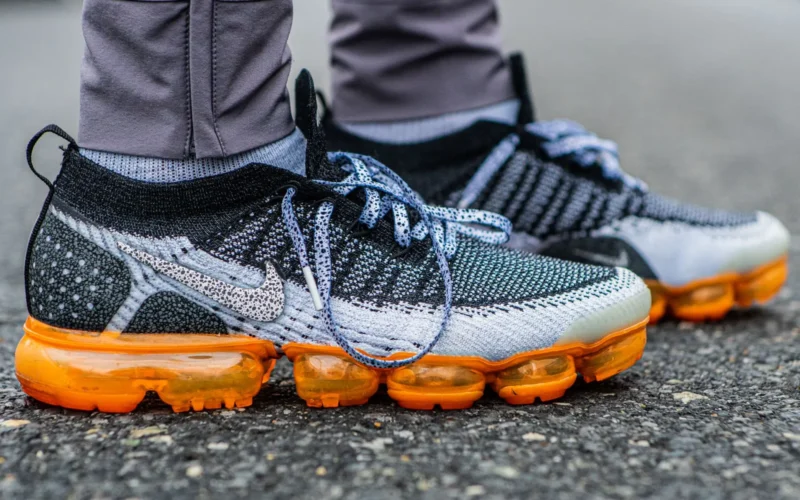
2024 running shoes deliver thinner carbon plates, nitrogen-infused foams, and sensor insoles that track your form—here's which innovations are worth paying for.
Lose 2% of your body weight in fluid and power output drops 10–15%. Here's how much to drink, when, and what electrolytes you actually need—by sport and session length.
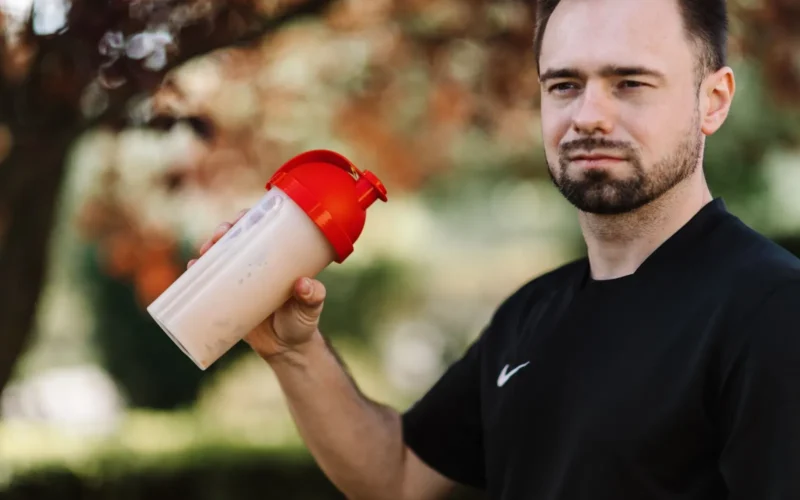
Muscle repair starts the moment you rack the bar. Hit 20–40 g protein and 0.5–1 g carbs per pound of bodyweight within 2 hours, and your body has what it needs to rebuild.
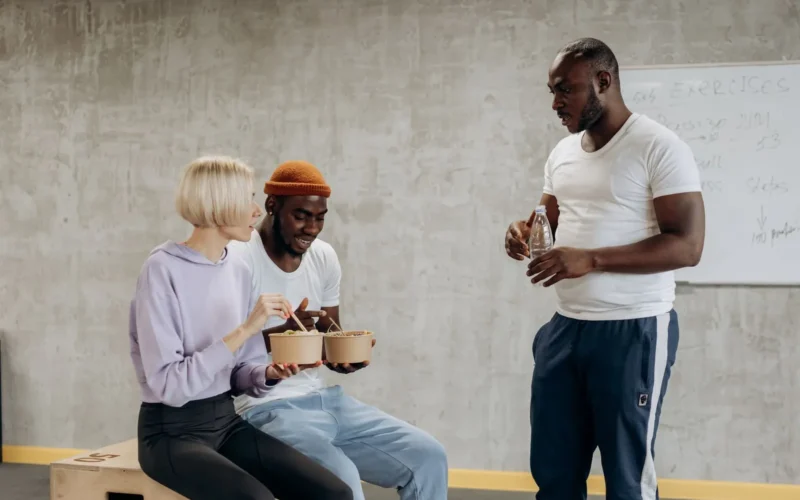
Eat carbs and protein 30 minutes to 3 hours before your workout to fuel performance and avoid cramping or fatigue.
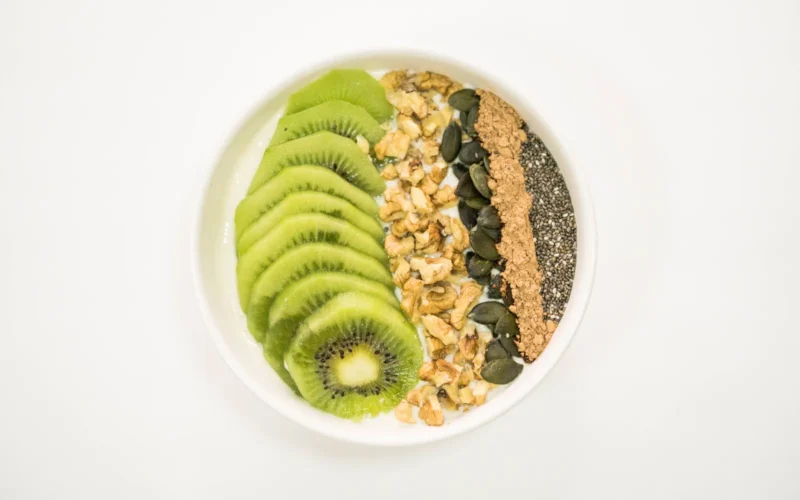
Whole foods are cheaper and more filling. Powder is faster and more portable. Here's how to split them based on your schedule, budget, and recovery window.
Most sedentary adults need 0.8g of protein per kilogram of body weight daily. Athletes and muscle builders need 1.6–2.2g/kg. A 70kg person lifting 3–5 days a week should target 112–154g daily.