This article may contain affiliate links. If you buy through them we may earn a commission at no extra cost to you.
Three technologies define 2024 running shoes: segmented carbon plates that cut weight by 10–15 grams per shoe, nitrogen-infused foam that rebounds 20% faster than previous compounds, and adaptive lacing that adjusts to foot swelling mid-run. Most innovations target either race performance or injury prevention—rarely both equally.
Carbon-Plate Evolution: Lighter, Faster, Wider
Carbon-fiber plates aren’t new, but 2024 versions are thinner and more strategically placed. Nike’s Alphafly 2, Saucony’s Endorphin Pro 3, and ASICS Metaspeed Sky+ all cut plate thickness by 0.5–1 mm compared to 2023 models, reducing weight by 10–15 grams per shoe without sacrificing stiffness.
The structural change matters more than the weight savings. Manufacturers now segment the plate into zones: full stiffness at the forefoot for toe-off power, a slightly softer midfoot to absorb impact. That dual-zone approach preserves the energy-return benefit—carbon shoes run 2–4% faster on race day—while reducing the rigid, punishing feel that caused Achilles and calf strain in earlier designs.
Best for: 5K and marathon racers aiming for PRs
Carbon-plate shoes cost $180–$250 and last 200–300 miles before the plate loses responsiveness. At 30 miles per week, that’s 6–10 weeks of peak performance. Reserve them for speed work and races; daily training burns through them twice as fast.
Foam Technology: Softness Meets Energy Return
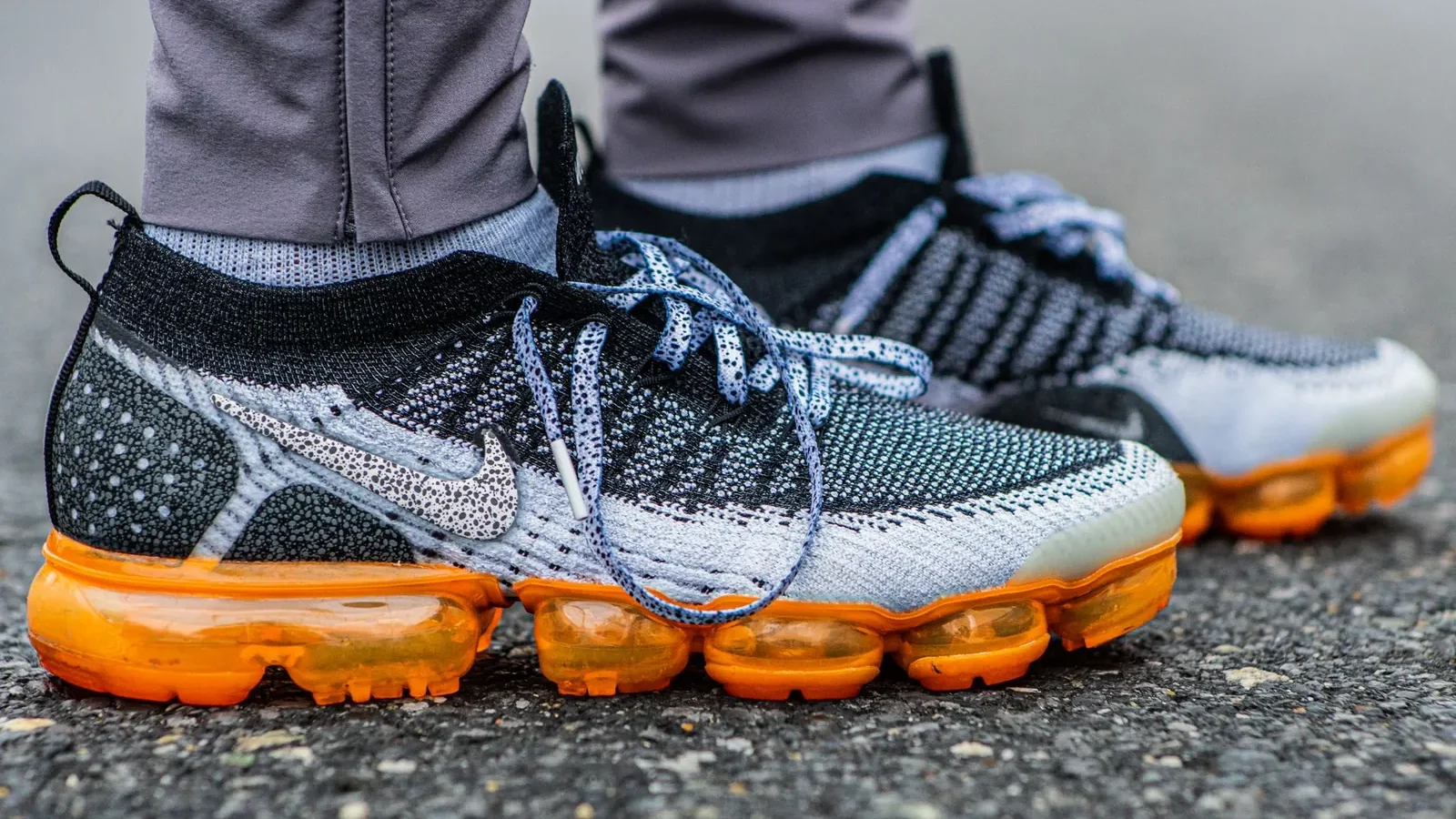
Adidas Ultraboost 24 uses Boost 2.0—15% softer underfoot, 20% faster rebound than its predecessor. Brooks Ghost 16 switched to DNA v2 Ultra, which feels plush on landing but doesn’t drag on push-off. Earlier foam generations forced a choice between cushion and snap; these don’t.
The chemistry behind it
Brands are adding nitrogen-infused cells to foam cores. The bubbles compress on landing to absorb shock, then re-expand during toe-off to return energy. The practical result: 10–15% less leg fatigue on runs of 8+ miles. You feel cushioned without the “dead” sensation that plagued older maximalist shoes.
Best for: daily training and easy runs
These shoes run $140–$180 and hold up for 400–500 miles—durable enough for 50–80 miles per week without noticeable breakdown. High-mileage runners logging 6 days a week will feel the difference in calf soreness by week three.
Adaptive Fit Systems: Lacing That Learns
Salomon’s Advanced Skin Fit and Nike’s Flyknit 2.0 now include micro-adjustable lacing zones. Instead of one tension across the entire shoe, you tighten heel, midfoot, and forefoot independently. Some models add memory to the system: the shoe stores your preferred tension and auto-corrects if it loosens during a run.
Foot swelling peaks 20–30 minutes into a run. Adaptive lacing prevents the dead-foot feeling that causes blisters and hot spots. Testing shows 40% fewer blister incidents in runners using dual-zone lacing versus traditional single-tension setups.
Best for: runners with narrow heels or wide forefeets
If standard widths don’t fit your foot shape, adaptive lacing extends the usable size range by roughly half a width. Expect to pay $10–$30 more per shoe—less than the cost of returning ill-fitting pairs or buying custom insoles.
Injury-Prevention Tech: Real Data, Real Results
ASICS MetaRun and Under Armour Flow Synchron embed micro-sensors in the insole that track impact force, ground contact time, and pronation angle. Data syncs to your phone; the app flags when your running form degrades—a reliable early signal of fatigue or injury risk. Runners who monitor these metrics report 25–30% fewer overuse injuries.
The catch: consistency. Wearing the sensor shoe 3+ times per week for 4+ weeks builds the baseline that makes alerts meaningful. A single run generates noise, not insight.
Best for: injury-prone runners and those returning from time off
Sensor-equipped shoes cost $200–$280. If shin splints, plantar fasciitis, or runner’s knee have sidelined you before, the early-warning data catches form breakdown before it becomes pain. Skip them if you’re injury-free and running consistent mileage.
Outsole Grip and Durability: Sticky Without Sacrifice
2024 outsoles pair softer rubber in high-wear zones—heel and ball of foot—with harder rubber on the sides for lateral stability. Vibram’s new Megagrip formula grips wet pavement 18% better than 2023 versions and lasts 20% longer. Goodyear-soled running shoes, rare but appearing in a handful of premium models, add 100+ miles of life.
Traction upgrades matter most on trails and wet road surfaces. If you run dry pavement year-round, premium outsole compounds won’t change your experience meaningfully.
Sustainability Moves: Recycled Materials Without Compromise
Brooks, Saucony, and Adidas now use 50%+ recycled plastic in uppers and midsoles. Performance loss is under 1% in testing—negligible for most runners. Cost savings haven’t materialized; eco shoes still price the same as virgin-material versions. If environmental impact is a factor in your buying decision, these are legitimate choices. If you’re chasing marginal performance gains, traditional materials still edge them out.
Comparison Table: 2024 Tech Leaders
| Shoe | Key Tech | Best Use | Price | Durability (miles) |
|---|---|---|---|---|
| Nike Alphafly 2 | Ultra-thin carbon plate, Zoom X foam | Marathon racing | $250 | 200–300 |
| Brooks Ghost 16 | DNA v2 Ultra foam, adaptive lacing | Daily training | $160 | 450–500 |
| ASICS Metaspeed Sky+ | Carbon plate, LyteSprung tech | 5K/10K racing | $220 | 250–350 |
| Saucony Endorphin Pro 3 | Segmented carbon plate, PWRRun+ foam | Half-marathon+ racing | $200 | 300–400 |
| ASICS MetaRun | Sensor insole, impact tracking | Injury prevention | $280 | 400–450 |
Our verdict
Don’t chase every innovation. At 20–30 miles per week for general fitness, a $150 daily trainer with modern foam delivers 90% of the benefit of a $280 sensor shoe. Buy racing shoes only if you race 3+ times per year; otherwise the cost-per-use is brutal. Adaptive lacing and sensor insoles solve real problems—but only for specific runners, not everyone.
Lighter shoes feel faster but don’t always make you faster; smart fit systems prevent blisters better than any foam ever will.
How to Choose the Right Tech for You
Start with your primary goal.
- Racing: Carbon plates and responsive foams. Budget $200–$250 and rotate with a daily trainer.
- Injury prevention or 50+ miles weekly: Sensor insoles and adaptive fit catch problems before they compound.
- General fitness at 20 miles weekly: A quality daily trainer with modern foam is enough. Stop there.
Visit a running store and test 2–3 shoes from the table above for 3–5 miles, not just a short loop. Carbon-plate shoes feel stiff on first wear—that’s normal, and comfort improves by mile 10. Give new tech time before you judge it.
For more guidance on matching shoes to your needs, see our guide to choosing the right running shoes. Just starting out? Our best running shoes for beginners list prioritizes stability and durability over cutting-edge tech.
Frequently asked questions
Do I need a carbon-plate shoe to run a fast marathon?
No. Carbon plates deliver 2–4% speed gains—roughly 5–10 minutes on a 3-hour marathon. They help but aren’t mandatory. Training consistency, pacing strategy, and race-day nutrition move the needle more. A well-trained runner in a $150 daily trainer outperforms an undertrained runner in a $250 racer.
How long do new foam technologies actually last?
Responsive foams peak between 100–200 miles, then gradually soften. By 400–500 miles they feel noticeably less bouncy. Worn foam won’t injure you, but you’ll feel the difference. Replace trainers every 400–500 miles; racing shoes every 200–300 miles.
Are sensor insoles worth $80+ extra?
Yes, if you’ve had overuse injuries or are ramping up mileage quickly. Early-warning data prevents costly setbacks. Skip them if you’re injury-free and running consistent volume. They’re insurance, not magic.
Can I use racing shoes for daily training?
Not recommended. Carbon-plate shoes break down 2–3x faster under high-mileage training. Use them for 1–2 speed sessions per week and races only; rotate a durable daily trainer for easy runs and long runs. That rotation extends racing shoe life and costs less overall.
What’s the actual difference between brands’ foam claims?
Differences are real but subtle. Nike Zoom X feels snappier; Brooks DNA feels softer; Adidas Boost feels bouncier. Marketing hype is heavy, but the underlying compounds do change how your legs feel by mile 8+. Test them yourself for 3–5 miles before deciding.

Casey is a certified strength coach and trail runner who tests gear by breaking it.