This article may contain affiliate links. If you buy through them we may earn a commission at no extra cost to you.
The most significant 2024 hiking gear launches fall into four categories: hybrid ultralight packs, traction-upgraded boots, long-battery GPS watches, and faster water filters. Most solve specific problems; none are mandatory upgrades unless your current gear is failing you.
Lightweight Backpack Systems Under 2 Pounds
Three new ultralight pack lines hit shelves in early 2024. The shift this year moved away from fully frameless designs toward hybrid systems that stay stable at 20+ pounds—a practical middle ground for multi-day hikers who don’t want to sacrifice load control.
- Hyperlite Mountain Gear 40L: 1.8 lbs, hybrid frame, modular hip belt. Best for multi-day trips under 25 lbs. Price: $299.
- Zpacks Arc Haul Ultra: 1.9 lbs, Dyneema fabric, redesigned shoulder harness that reduces pressure on 5+ hour days. Best for thru-hikers. Price: $349.
- Decathlon Forclaz 45L: 2.1 lbs, aluminum frame, compatible with most hydration systems. Best for budget-conscious hikers. Price: $120.
The weight math is simple: dropping 1.5 lbs from your pack means roughly 15,000 fewer pounds of cumulative force through your knees over 10 miles. The trade-off is padding and max load capacity—ultralight frames work best under 25 lbs. Overload them and the structure fails.
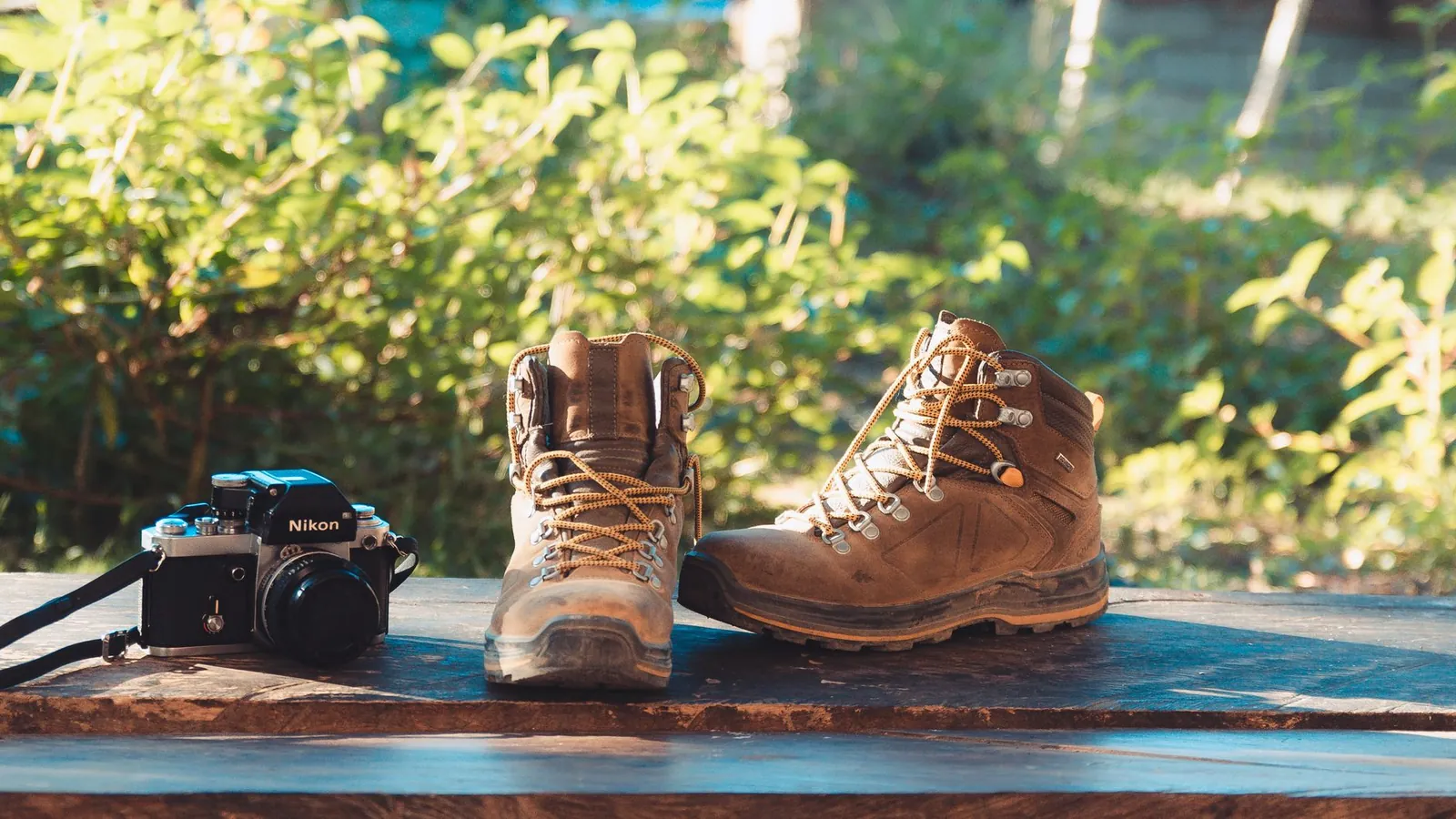
Boot Technology: Grip and Ankle Support Overhaul
New sole compounds this year grip 15–20% better on wet rock than 2023 versions, per manufacturer testing. Ankle collar redesigns also got attention—stiffer isn’t always better, so match the boot to your terrain.
- Salomon Quest 4D Ultra: Vibram Megagrip sole, redesigned ankle collar, 2.2 lbs per pair. Best for technical scrambling.
- La Sportiva Nucleo High GTX: Stiffer midsole, aggressive tread, Gore-Tex lining adds 3 oz but handles creek crossings. Best for boulder fields and loose scree.
- Merrell Moab Speed 2 Mid: 1.9 lbs—lighter than the 2023 version—updated cushioning, 5–8 mile break-in. Best for day hikes and moderate terrain.
If you’re sizing up your first pair, see our guide to choosing boots that fit your foot shape and terrain.
Smart Wearables for Trail Navigation
This year’s GPS watches close the gap between phone functionality and dedicated trail tools—topographic maps, weather alerts, and SOS without draining your phone battery.
- Garmin epix Gen 2 Pro: 1.4-inch AMOLED screen, 16-day battery in smartwatch mode, 6 days in GPS mode. Best for on-wrist map reading. Price: $799.
- Coros Vertix 2: Titanium case, 35-day battery in low-power mode. Best for ultralight hikers who prioritize durability over screen size. Price: $599.
- Apple Watch Ultra 2: Temperature sensor, improved GPS accuracy. Best for hikers already in the Apple ecosystem. Price: $799.
A watch that shows you the terrain ahead prevents wrong turns—and wrong turns cost time, energy, and safety.
Tent and Shelter Redesigns: Weight and Weather
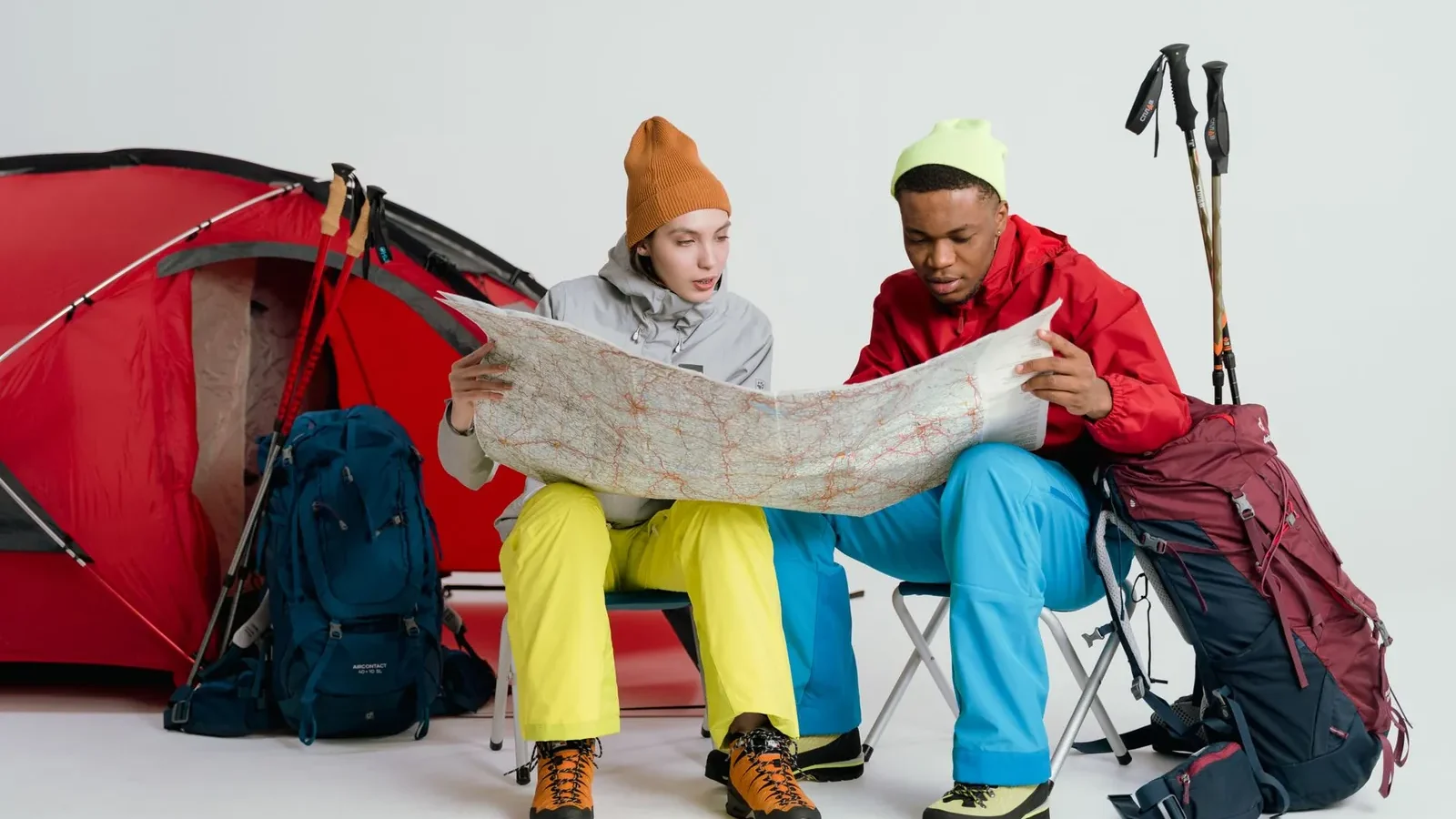
New fabrics and pole geometry cut 10–15% off traditional three-season tent weights without dropping weather protection. Three models stand out.
- Big Agnes Copper Spur HV UL 2: 2.3 lbs, 20D nylon, improved ventilation cuts condensation on cool mornings. Best for variable weather backpacking.
- Nemo Dagger 2P: 1.8 lbs, freestanding, 3–4 minute setup. Best for rocky or sandy terrain where stakes won’t hold.
- MSR Hubba NX 2: 2.6 lbs—heavier than the others—but redesigned pole geometry improves wind stability and cuts setup time. Best when weather is the priority over weight.
Three-season tents cover spring through fall in temperate zones. Four-season designs handle snow and sustained wind but add cost and weight—worth it above treeline or in shoulder-season alpine conditions, not for summer trail camping.
Hydration and Water Treatment Innovations
Speed and reliability drove 2024 filter updates. Faster flow rates mean less time standing at a water source—a 1-minute fill versus 5 minutes adds up fast on 15-mile days.
- Sawyer Squeeze 3.0: Flow rate improved to 1.8 L/min (up from 1.0 L/min), 3 oz. Best for high-mileage days. Cost: $40.
- Grayl GeoPress XE: Lighter housing, 24 oz capacity, filters to 0.01 microns. Best for solo hikers. Cost: $60.
- LifeStraw Peak Solo: Collapsible, 1 L capacity. Best for minimalist packing. Cost: $35.
Clothing: Synthetic and Merino Blends
New fabric blends pair synthetic durability with merino’s temperature regulation. The practical result: faster drying and lower price than pure merino, with a moderate trade-off in cold-weather performance.
- Patagonia Capilene Cool Daily Hybrid: 60% recycled polyester, 40% merino, dries 25% faster than pure merino. Best for warm-weather hikes. Cost: $79.
- Rab Alpha Flash: 2.2 oz insulating layer, packs to fist size. Best for layering on cold descents.
- Arc’teryx Nuclei SL: 8.8 oz, 850-fill down, water-resistant treatment. Best for alpine starts where packable warmth matters most.
For a full list of what to prioritize first, see our article on essential gear that actually matters when you’re starting out.
Comparison: Popular New Packs by Use Case
| Model | Weight | Capacity | Best For | Price |
|---|---|---|---|---|
| Hyperlite 40L | 1.8 lbs | 40L | Multi-day, light loads | $299 |
| Decathlon Forclaz 45L | 2.1 lbs | 45L | Budget-conscious hikers | $120 |
| Zpacks Arc Haul Ultra | 1.9 lbs | 50L | Thru-hikers, ultralight | $349 |
| Osprey Rook 65 | 4.5 lbs | 65L | Traditional backpacking | $239 |
Our verdict
If you’re starting out or upgrading, the Decathlon Forclaz gives you 95% of the ultralight experience at one-third the price. For serious multi-day trips, Hyperlite’s new 40L balances weight and real-world durability. Zpacks suits thru-hikers who know exactly what they need.
Injury Risk and Gear Reliability
New gear fails most often when you haven’t tested it before a hard trip. Four rules that prevent the most common problems:
- Break in new boots over 3–5 short hikes (2–4 miles each) before any multi-day trip. Blisters are the most common trail injury, and they compound over consecutive days.
- Set up tents and adjust pack fit at home first. Fumbling with an unfamiliar shelter or unbalanced load in the backcountry costs time and energy you can’t recover.
- Test your water filter’s flow rate and taste before you rely on it. A clogged or faulty filter isn’t obvious until you need it.
- Respect ultralight pack weight limits. Hybrid frames rated to 25 lbs lose structure and comfort above that threshold—load them right or carry a heavier pack.
Frequently asked questions
Are new 2024 hiking boots worth upgrading to from older models?
If your current boots are 3+ years old, new models offer meaningfully better grip—15–20% on wet rock—and updated cushioning. If your boots still fit and perform, wait. Boots fail when the sole delaminates or the midsole breaks down, not because a newer version exists. Upgrade when your current pair shows those signs, not before.
What’s the real weight difference between ultralight packs and standard packs?
Ultralight packs (1.8–2.1 lbs) save 2–3 lbs compared to traditional packs (4–5 lbs). Over 10 miles, that’s roughly 20,000–30,000 fewer pounds of cumulative force through your joints. The trade-off: less padding, a max load of 20–25 lbs, and a higher price per ounce. Worth it only if you carry light and don’t need the comfort features.
Do I need a GPS watch if I have a phone?
A dedicated GPS watch preserves phone battery for emergencies and gives you a screen that stays readable in direct sunlight. For hikes over 4 hours—especially in areas with poor cell service—a watch is practical. For day hikes under 2 hours on marked trails, your phone is enough.
How long do new water filters last before replacement?
Most 2024 filters (Sawyer, Grayl, LifeStraw) last 100,000–1,000,000 gallons depending on filter type and water turbidity. For active hikers, that’s typically 1–3 seasons of regular use. Replace the cartridge when flow slows noticeably or after 6–12 months of heavy use—whichever comes first. Replacement cartridges run $20–$40.
Are merino-synthetic blend shirts better than pure merino for hiking?
Blends dry 25% faster and cost less, making them the better call for warm-weather day hikes. Pure merino regulates temperature more effectively in cold conditions and resists odor longer between washes—but pills faster. For most hikers, a blend is the practical choice. Pure merino earns its place on alpine or winter trips with significant temperature swings.

Casey is a certified strength coach and trail runner who tests gear by breaking it.