This article may contain affiliate links. If you buy through them we may earn a commission at no extra cost to you.
Five pieces of gear prevent 90% of beginner hiking problems: boots, a fitted daypack, a base layer, a shell jacket, and a headlamp. Get those right and you can handle most day hikes under 10 miles. Everything else is optional until you know what you actually need.
Boots and Footwear
Bad boots end hikes early. A single blister on mile 8 can sideline you for a week. Spend here before anywhere else.
Boot type matters
- Trail runners (lighter, flexible): Best for day hikes under 5 miles on well-maintained paths. Less ankle support on loose rock.
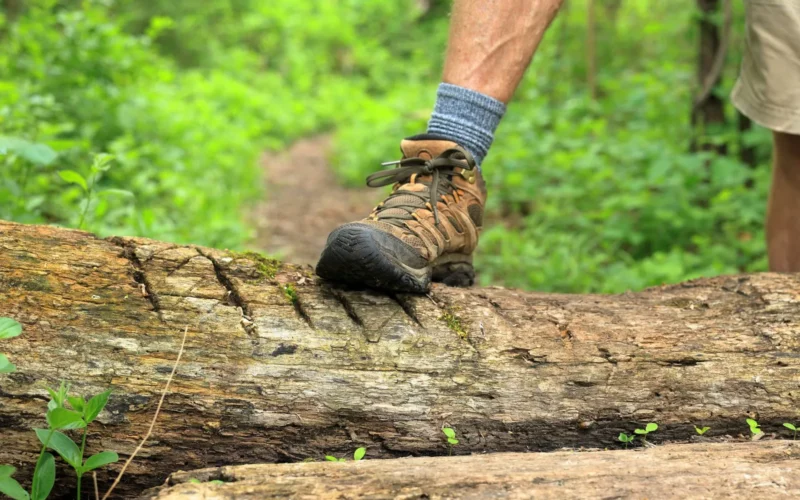
- Mid-cut hiking boots (stiffer sole, ankle collar): Best for 5+ mile hikes, steep grades, or rocky ground. Allow 2–3 short walks at home to break them in before a full day out.
- Waterproof vs. breathable: Waterproof membranes keep rain out but trap sweat. Non-waterproof dries faster. Choose based on your local climate—rainy Pacific Northwest favors waterproof; dry Southwest trails favor breathable.
Budget $90–$160 for entry-level boots. Merrell, Salomon, and KEEN all have solid options in that range that last 300–500 miles. See our best hiking boots for beginners guide for model-by-model comparisons.
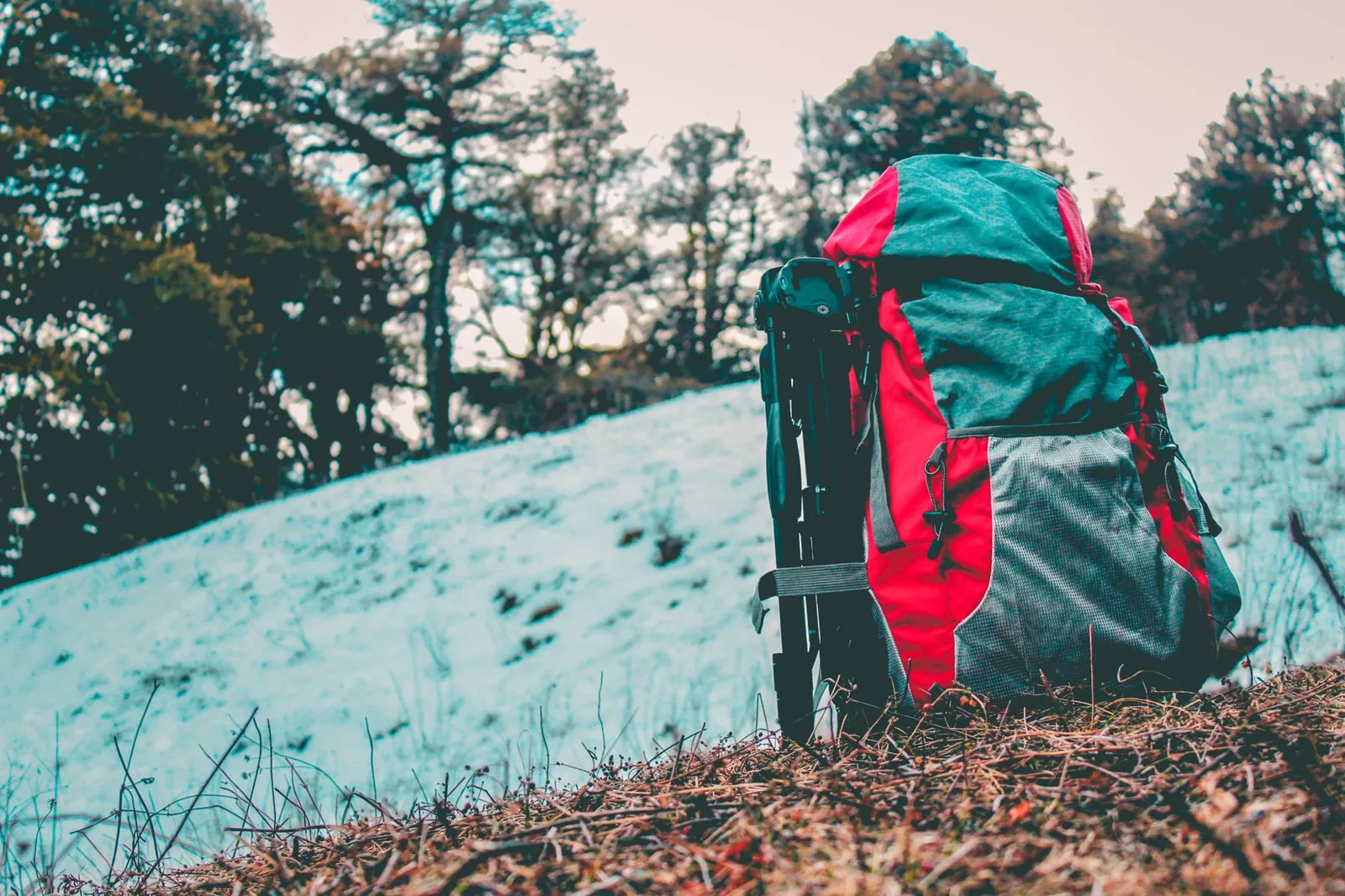
Backpack (20–30L for Day Hikes)
A 20–30 liter pack fits everything for a full day out without tempting you to overload. Go bigger and you’ll carry more than you need; go smaller and something essential gets left behind.
What to look for
- Hip belt: Shifts weight to your hips instead of your shoulders. Non-negotiable on hikes over 90 minutes.
- Padded shoulder straps: Reduces fatigue on 3+ hour days.
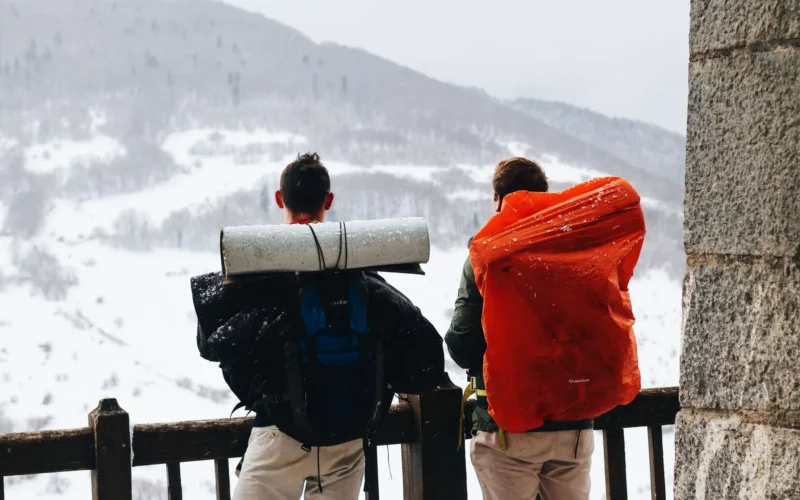
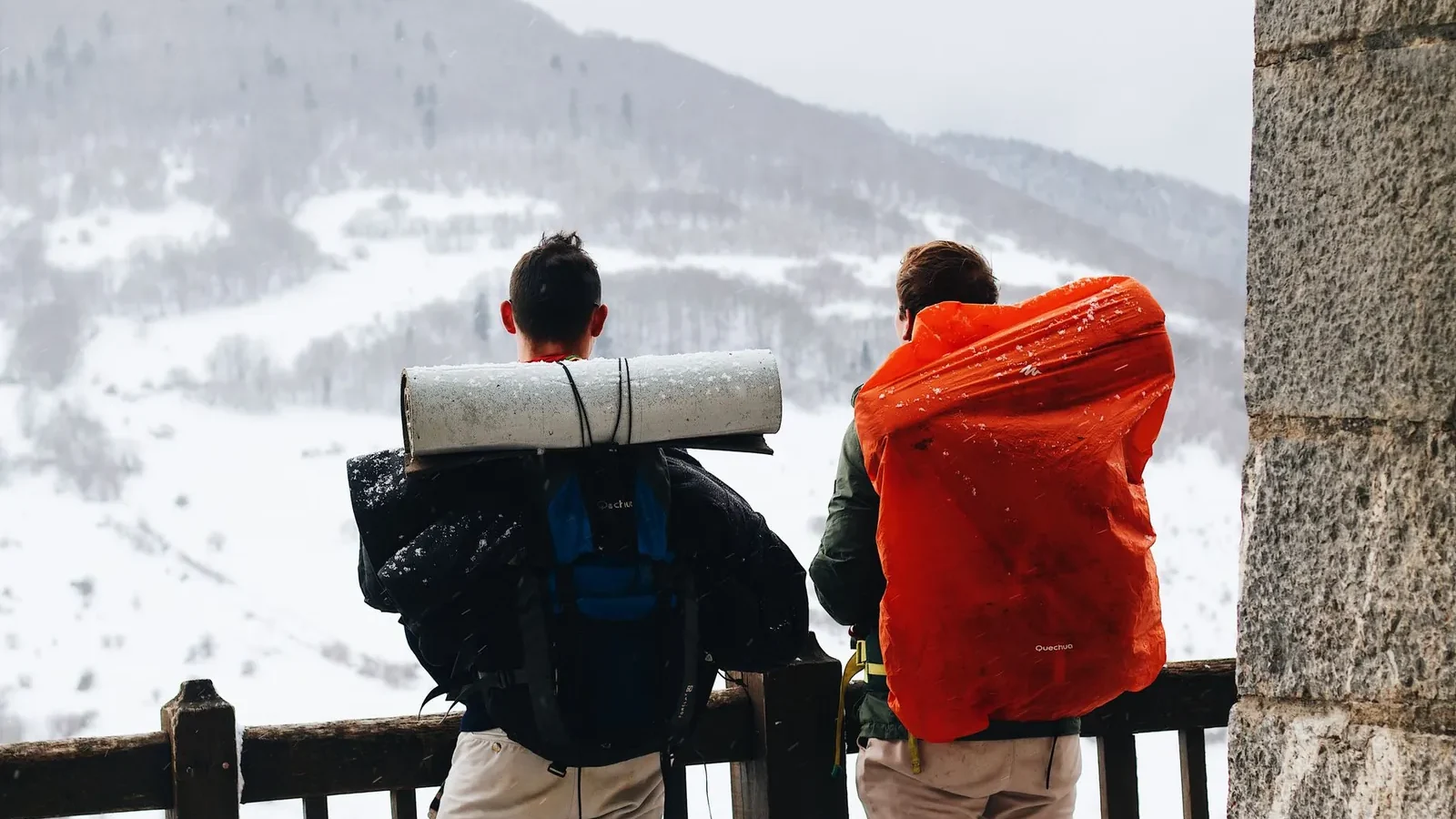
- Rain cover: Built-in or included. Sudden afternoon storms are common on most mountain trails.
- External pockets: Quick access to snacks, phone, or map without unpacking the whole bag.
Budget $60–$120. Osprey, Deuter, and Gregory are the reliable names here. Avoid sub-$50 ultralight packs—they typically lack hip support and the straps fail within a season.
Layering System
Trail temperatures can swing 20°F between a sunny ridge and a shaded valley. Three thin layers beat one heavy jacket every time—you can add or strip as conditions change.
The three-layer approach
- Base layer (merino wool or synthetic): Wicks sweat off your skin. Never cotton—it holds moisture and causes chills when you stop moving. Cost: $30–$60. Merino regulates temperature better; synthetic dries faster and costs less.
- Insulation layer (fleece or down): Traps warm air when temperature drops. Cost: $50–$100. Down is lighter and packs smaller; fleece keeps insulating when wet.
- Shell jacket (waterproof): Blocks wind and rain over your other layers. Gore-Tex versions ($130–$180) breathe better and last longer. Non-Gore-Tex shells ($80–$110) work fine for occasional use.
Bring a layer you think you won’t need—you’ll use it.
For spring and fall, start with a base layer and shell. Add fleece for elevations above 8,000 feet or winter trips. Summer day hikes often need only a base layer and a t-shirt—but pack the shell anyway.
Navigation and Safety Gear
A phone with offline maps handles most day hikes. But phones die, screens crack, and trails fork without warning. Backup navigation weighs almost nothing and costs under $15.
- Offline map app (AllTrails, Gaia GPS): Download your route before leaving cell service. Free tier works; paid plans run $30–$40/year and add offline topo detail.
- Paper map + compass: Weighs 0.5 oz combined. Costs $8–$15. Practice reading it at home—not on the trail when you’re already lost.
- Headlamp (200+ lumens, LED): Hikes run long. A $20 headlamp buys you 3+ extra hours of safe travel. Bring spare batteries.
- Whistle: Three blasts is the universal distress signal. Costs $2. Takes no space.
Carry a basic first-aid kit—blister patches, pain reliever, bandages, antibiotic ointment—in a ziplock bag. Total cost: around $12.
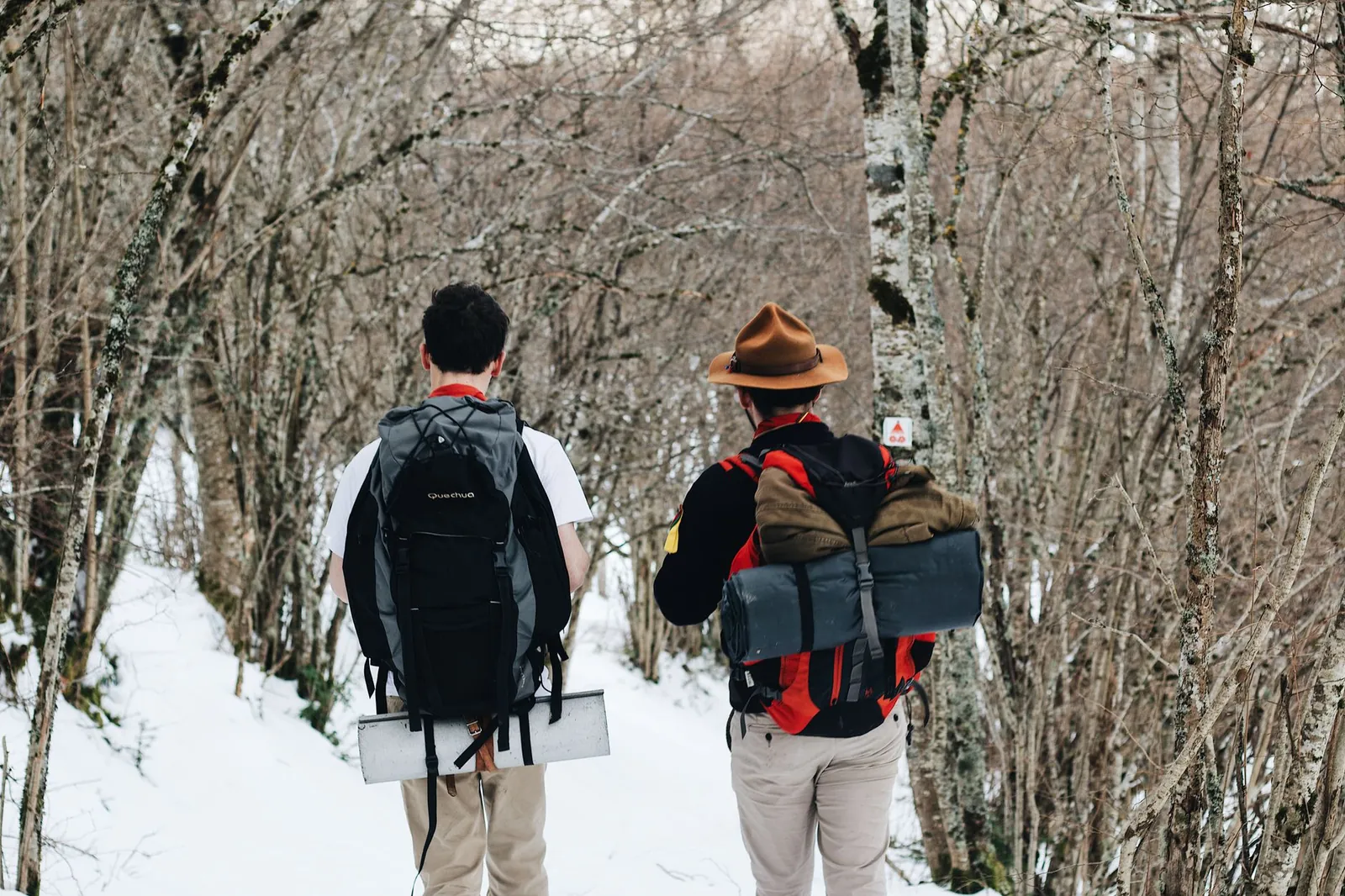
Water and Hydration
On a 5-mile hike, you’ll sweat 1–2 liters depending on temperature and pace. Running low on water kills your judgment before you feel thirsty.
- Rigid water bottle (1–2L): Easy to refill at streams. Slower to drink on the move. Cost: $15–$40.
- Hydration reservoir (bladder + tube): Fits inside your pack; drink without stopping. Harder to clean, can leak at seams. Cost: $25–$50.
- Collapsible bottle: Weighs 0.5 oz empty. Best if you plan regular refill stops. Cost: $10–$20.
Aim for 0.5–1 liter per hour depending on heat and effort. For hikes under 2 hours, 1–2 liters is enough. Longer days require either a filter ($30–$60) or planned refill stops at marked water sources on your trail map.
Sun and Insect Protection
Neither sunburn nor bug bites are emergencies, but both wreck recovery and discourage you from going back out.
- Sunscreen SPF 30+: $5–$12. Reapply every 2 hours, especially on ears and the back of your neck.
- Hat or visor: $15–$35. Cuts glare and slows heat buildup on exposed ridges.
- Sunglasses: $20–$60. Polarized lenses reduce glare off water and snow. Worth it if your trail crosses open terrain.
- Insect repellent (DEET or picaridin): $6–$15. 20–30% DEET lasts 4–6 hours. Reapply after water crossings.
Snacks and Nutrition
Hiking burns 300–500 calories per hour. Underestimating hunger is the most common beginner mistake—and bonking on a remote trail is miserable.
- Trail mix: About 600 calories per cup. Cheap, portable, no refrigeration needed.
- Energy bars: Consistent and mess-free at $1–$2 each. Check labels—some are closer to candy bars in nutrition profile.
- Nut butter packets: Protein and fat for sustained energy. $1–$2 each, easy to eat on the move.
- Fresh fruit: Heavier, but the natural sugar and water content help on hot days.
Pack 500–1,000 calories for a 4-hour hike and bring 1.5x what you think you’ll eat. Extra food costs nothing compared to a bonk at mile 7.
Gear Comparison Table
| Gear Type | Budget Option | Mid-Range Pick | Best For | Price Range |
|---|---|---|---|---|
| Hiking Boots | Merrell Moab | Salomon X Ultra | Day hikes, mixed terrain | $90–$160 |
| Daypack | Decathlon Quechua | Osprey Talon 22 | Comfort, durability | $60–$120 |
| Base Layer | Synthetic (Patagonia Capilene) | Merino (Smartwool) | Moisture wicking, warmth | $30–$60 |
| Shell Jacket | Non-Gore-Tex (Decathlon) | Gore-Tex (Arc’teryx Beta) | Breathability, weight | $80–$180 |
| Water Bottle | Plastic 1L | Hydro Flask 18oz | Durability, temperature control | $15–$40 |
| Headlamp | Black Diamond Wiz | Petzl Tikka | Weight, runtime | $20–$60 |
Our verdict
Start with boots, a 20–30L pack, and a shell jacket—roughly $250 total. Those three items prevent most beginner problems. Add navigation tools, water, and snacks before your first trip out. Premium gear like Gore-Tex jackets and ultralight packs adds comfort but not safety for day hikes. Get the basics right, get on trail, and upgrade based on what actually bothers you.
Frequently asked questions
Do I really need hiking boots, or can I use running shoes?
Running shoes work on flat, short hikes under 3 miles with minimal elevation. They lack the ankle support and outsole grip that rocky or steep terrain demands. Hiking boots cost $20–$40 more and last significantly longer. If you plan to hike more than once a month, boots pay for themselves within a season.
How much should I spend on gear as a beginner?
A functional starter kit runs $300–$500: boots ($100), pack ($80), layers ($120), and essentials like a headlamp, paper map, basic first aid, and snacks ($100). You don’t need more than that for day hikes. Save premium gear purchases until you know which discomforts actually bother you on trail.
What’s the difference between a hiking backpack and a regular backpack?
Hiking packs have a hip belt that transfers load to your hips, padded shoulder straps contoured for movement, and a rain cover. Regular backpacks put all the weight on your shoulders and neck. On anything over an hour, that difference shows up as pain. Use a real hiking pack.
Should I buy a sleeping bag if I’m only doing day hikes?
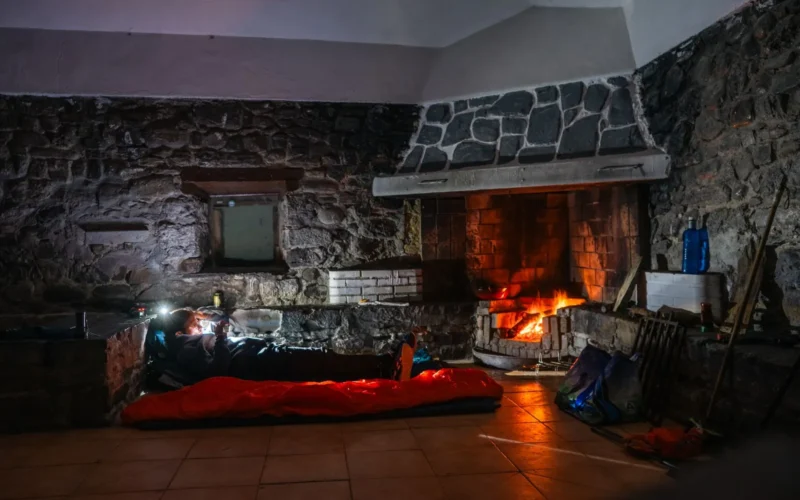
No. Day hikes—out and back before dark—don’t require a sleeping bag. If you want to add overnight camping, see our guide on how to choose a sleeping bag. Temperature rating, shape, and fill type matter more than brand.
Can I start hiking in winter as a beginner?
Winter hiking is doable but adds real complexity: insulated boots, thicker layering, and microspikes or traction aids for icy trail surfaces. Daylight is shorter, temperatures drop faster, and a slip on packed snow carries higher injury risk than a stumble in summer. Build your skills on easy trails in spring or fall first. Save winter for your second or third season.
Marcus is a cycling coach and hiker who plans routes down to the water stops.