This article may contain affiliate links. If you buy through them we may earn a commission at no extra cost to you.
The right recovery tools shorten soreness windows by 24–48 hours and let you train harder the next day. Your priority order: foam roller first, massage gun if you train 4+ times per week, ice bath only when you need competition recovery. Everything else is situational.
Foam Rollers: The Baseline Tool
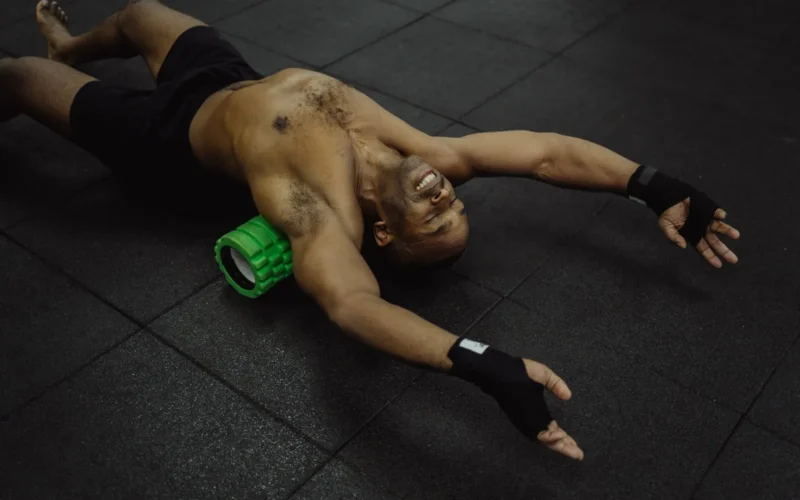
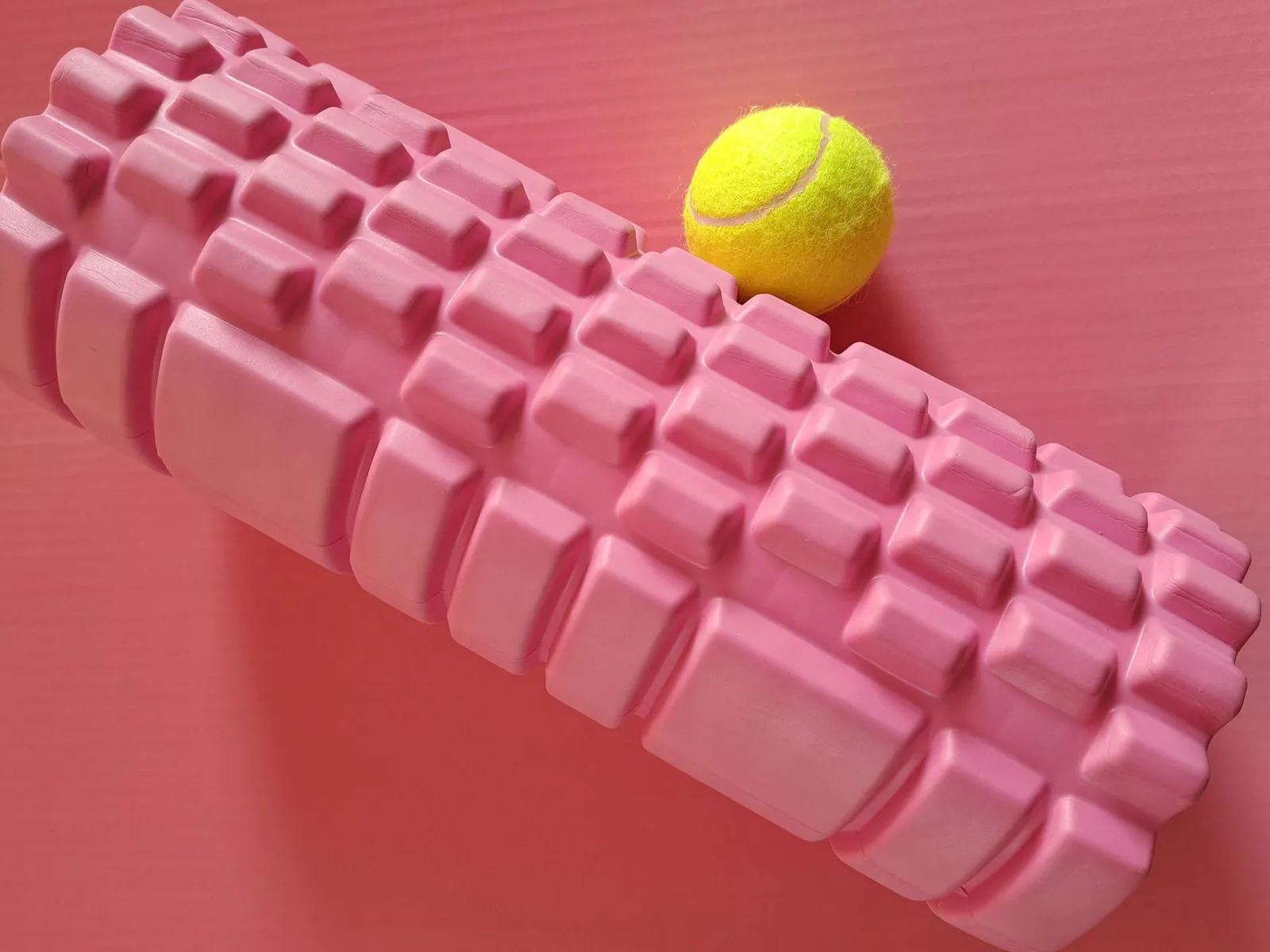
A foam roller costs $20–$80 and is the first recovery tool most athletes buy. It applies sustained pressure to muscle tissue, reducing tension and improving blood flow. You’ll feel the difference after 60–90 seconds per muscle group.
Standard vs. high-density rollers
Standard EVA foam ($20–$40) is softer—right for beginners or tender muscles. High-density rollers ($40–$80) deliver deeper pressure and hold up through daily use. If you’re rolling quads, calves, and IT bands every day, high-density pays for itself inside six months.
Best for
- Budget-conscious athletes
- Post-run or post-lift soreness
- Maintenance between hard sessions
Spend 2–3 minutes per leg after every workout. Skip rolling directly over joints or bones—pressure on bone achieves nothing and risks bruising.
Massage Guns: Fast, Targeted Relief
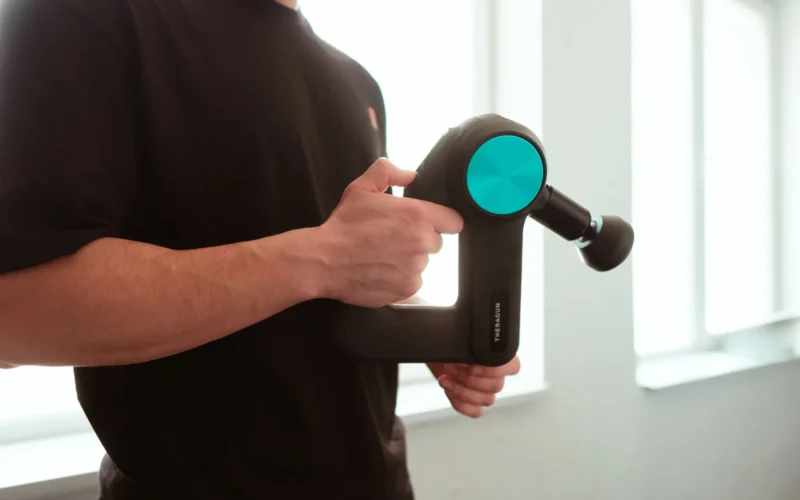
Massage guns ($100–$600) deliver 1,200–3,200 percussions per minute to muscle tissue. You cover a full muscle group in 30–60 seconds versus 2–3 minutes with a foam roller. Most athletes use them 2–3 minutes per muscle, 3–5 times per week.
Key specs to compare
- Amplitude: 10–16 mm. Higher amplitude reaches deeper tissue—worth it for glutes, quads, and hamstrings.
- Battery life: 2–6 hours of continuous use. If you train twice a day, target 4+ hours.
- Noise level: 60–80 dB. Models above $300 typically run quieter—relevant if you recover late at night.
- Attachment heads: 4–6 heads included. Standard, fork (calves), and flat heads handle most use cases.
For a detailed comparison of foam rolling vs. massage guns, see our foam roller vs. massage gun comparison.
Best for
- Athletes with tight schedules
- Heavy training volume (5+ sessions per week)
- Muscle soreness that doesn’t respond to foam rolling alone
A massage gun saves 2–3 minutes per session compared to foam rolling, but consistency matters more than speed.
Compression Sleeves and Tights
Compression wear ($30–$120) applies graduated pressure to arms, legs, or torso. The science is genuinely mixed: some studies show 5–10% reductions in soreness markers, others show minimal difference. What’s consistent across the research is that compression doesn’t hurt performance, and it does reduce perceived swelling—which matters on back-to-back training days.
When compression works best
- Worn during or immediately after hard efforts (20–30 minutes minimum)
- For lower-body soreness: calves, quads, hamstrings
- Stacked with other recovery tools, not used as a standalone fix
Best for
- Runners and cyclists managing calf and quad soreness
- Athletes doing back-to-back training days
- Travel recovery—wear on flights or long car rides
Poor fit kills the benefit. Buy from brands with detailed sizing charts, and size by calf circumference for sleeves, not just shoe size.
Ice Baths and Cold Plunges
Cold water immersion at 50–59°F for 10–15 minutes reduces inflammation and soreness, particularly after eccentric-heavy or high-impact sessions. The trade-off: regular cold exposure after strength work may blunt hypertrophy adaptations. Use it strategically—1–2 times per week after competition or peak training days, not as a daily habit.
DIY vs. dedicated plunges
- DIY bathtub: $5–$20 per session in ice. Works, but temperature drops fast and it’s hard to hold 50–59°F for the full 15 minutes.
- Portable ice baths: $500–$2,000. Folds up, holds temperature stable for 30–40 minutes. Best mid-range option for home use.
- Dedicated cold plunges: $3,000–$15,000 upfront. Exact temperature control, built to last years. Practical for serious athletes or team facilities.
Best for
- Post-competition recovery (1–2 times per week max)
- High-impact sports: plyometrics, heavy strength work, contact sports
- Athletes prioritizing inflammation reduction over maximum muscle adaptation
Skip ice baths on light recovery days and before sessions where you’re chasing strength gains. See our recovery between workouts guide for timing context.
Percussion and Vibration Therapy
Vibration plates ($200–$1,500) work differently from massage guns: low-frequency whole-body vibration primes muscles pre-workout (5 minutes is enough), but evidence for post-workout recovery is thin. Percussion devices in this category often cost more than a quality massage gun for similar results on individual muscle groups.
Best for
- Athletes with limited mobility or joint pain that makes foam rolling uncomfortable
- Pre-workout activation—not primary recovery
- Gyms or team facilities with the floor space and budget to justify it
For individual athletes, a $150–$300 massage gun delivers better value than a vibration plate at any price point.
Sleep Optimization Gear
An extra 60–90 minutes of sleep outperforms every device on this list. That’s not a caveat—it’s the hierarchy. Gadgets help you quantify and protect sleep; they don’t replace it.
Practical sleep recovery tools
- Blackout curtains ($20–$50): Cheapest high-return investment on this page. Light exposure at night measurably disrupts sleep depth.
- Sleep tracking watch ($150–$400): Useful for spotting trends in REM and deep sleep over weeks. Don’t chase nightly numbers—look at 7-day averages.
- Weighted blankets ($80–$200): May reduce anxiety and improve perceived sleep quality. Neutral on direct performance gains.
Best for
- Athletes training 6+ hours per week
- Anyone consistently falling short of 7–9 hours nightly
- Team athletes in noisy shared housing
Recovery Tool Comparison
| Tool | Cost | Time per session | Best for | Injury risk |
|---|---|---|---|---|
| Foam roller | $20–$80 | 10–15 min | Daily maintenance, beginners | Low (avoid joints) |
| Massage gun | $100–$600 | 3–5 min | Heavy training volume, soreness | Low (avoid bones) |
| Compression sleeves | $30–$120 | Wear 20–60 min | Swelling, travel, back-to-back days | None (fit matters) |
| Ice bath | $5–$15,000 | 10–15 min | Post-competition, high-impact sports | Low (avoid extreme cold) |
| Sleep tracking | $150–$3,000 | Passive | Quantifying sleep quality | None |
Our verdict
Start with a $40–$60 high-density foam roller and a locked-in sleep routine. Add a mid-range massage gun ($150–$300) once you’re training 4+ times per week and foam rolling isn’t enough. Compression sleeves and ice baths solve specific problems—swelling, competition recovery—not general soreness. No recovery tool replaces sleep, smart nutrition, or well-programmed training. It accelerates what you’ve already built.
Frequently asked questions
How often should I use recovery tools?
Foam roll 2–3 times per week, 2–3 minutes per muscle. Massage guns 3–5 times per week, 30–60 seconds per muscle. Compression sleeves during or immediately after hard efforts. Ice baths 1–2 times per week post-competition—not daily. Sleep every night; that’s your anchor, not an optional extra.
Can I use recovery tools on injured muscles?
Not medical advice—but avoid rolling or percussing directly over acute injuries, visible swelling, or sharp pain. Gentle compression or elevation is a safer starting point. Talk to a physio before applying any tool to an injury.
Do recovery tools improve performance or just reduce soreness?
They reduce soreness and swelling, which lets you train harder and more consistently. They don’t directly build strength or speed. The performance link is indirect: better recovery enables higher training quality over time.
What’s the best recovery tool for a tight budget?
A $40–$60 high-density foam roller and consistent 7–9 hours of sleep. Both are proven, affordable, and compound over time. Add a massage gun later when training volume demands it.
Should I use recovery tools before or after workouts?
Foam rollers and massage guns are post-workout tools—use them within 30 minutes of finishing. Compression sleeves can go on during or after. Ice baths are post-workout only. Heavy foam rolling before a hard session can blunt force output, so keep pre-workout rolling light and brief.
Casey is a certified strength coach and trail runner who tests gear by breaking it.