This article may contain affiliate links. If you buy through them we may earn a commission at no extra cost to you.
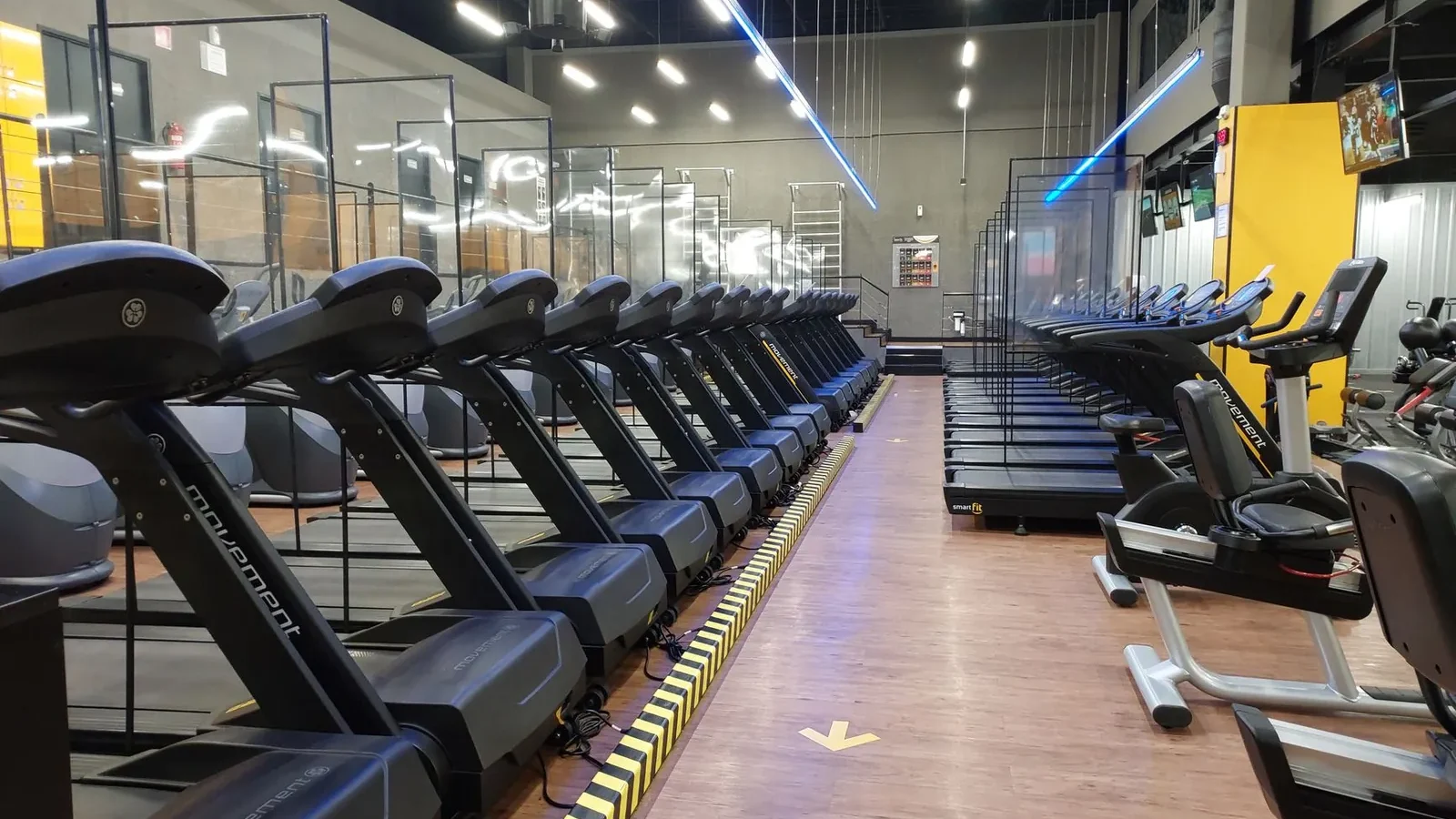
The best budget treadmill under $500 right now is the Horizon Fitness T101 for durability and the NordicTrack T Series 6.5S for small spaces. Both run at 10 mph, handle 250-pound users, and come with 10-year frame warranties. The real trade-offs are motor life, deck size, and whether you can spare a permanent 6×3-foot footprint.
What Makes a Budget Treadmill Worth Buying
At this price range, three specs separate a usable machine from a landfill candidate: motor size, deck dimensions, and weight capacity. You need at least a 1.5–2.0 HP motor, a running surface 48 inches long and 16 inches wide, and a 220–250-pound capacity. Anything below those numbers and you’re buying a machine that strains at 6 mph.
Folding models cost $50–$100 more than fixed equivalents and introduce one structural weak point—the hinge. If you fold and unfold daily, expect hinge wear by year two. Heavier frames (over 100 pounds) absorb impact better and run quieter. That matters when you’re logging 45-minute sessions four days a week.
Budget machines use a belt-and-deck system that needs silicone lubrication every 3–6 months. Skip that step and you’ll replace a $150–$300 belt a year early. With basic upkeep and 4–5 sessions per week, expect 2–3 years of reliable use.
A $300 treadmill with consistent use beats a $2,000 one gathering dust in the garage.
Manual vs. Motorized Budget Treadmills
Motorized ($250–$500)
The belt moves at your set speed. You control pace and incline with buttons. Most budget models top out at 6–10 mph and 10–12% incline—enough for beginners and steady-state cardio at 5–7 mph for 30–45 minutes. Noise runs 70–85 decibels, louder than a normal conversation. Power draw is 500–750 watts, which adds roughly $5–$10 per month to your electric bill depending on local rates.
Manual ($100–$250)
No motor means no electricity costs, near-silent operation (around 65 dB), and a lighter frame. The catch: you drive the belt with your feet, so there’s no coasting and legs fatigue faster. Best for 10–20-minute interval sessions or walking. A good fit for apartments or anyone who wants the challenge of self-powered effort.
Top Budget Treadmill Picks
| Model | Price | Motor (HP) | Max Speed | Weight Capacity | Folding | Best For |
|---|---|---|---|---|---|---|
| NordicTrack T Series 6.5S | $300–$350 | 2.0 | 10 mph | 250 lbs | Yes | Beginners, small spaces |
| ProForm Performance 400i | $280–$320 | 1.75 | 10 mph | 250 lbs | Yes | Walking, light jogging |
| Sunny Health & Fitness SF-T7515 | $220–$280 | 1.5 | 9 mph | 220 lbs | Yes | Budget walkers |
| Horizon Fitness T101 | $350–$400 | 2.0 | 10 mph | 250 lbs | No | Stability, longer sessions |
| Stamina InMotion Manual | $120–$150 | None | Self-paced | 250 lbs | Yes | Intervals, apartments |
NordicTrack T Series 6.5S ($300–$350)
A 2.0 HP motor, 10 mph max, and 12 incline levels cover most beginner training plans. The 48×16-inch deck fits standard stride lengths; folded, it drops to 30 inches wide. Warranty: 1 year parts, 10 years frame. Optional iFit membership ($15/month) adds coached workouts, but the machine runs fine without it. Noise level: 78 decibels.
ProForm Performance 400i ($280–$320)
The 1.75 HP motor is the lightest-duty option among the motorized picks—best for users under 200 pounds who walk or jog at 4–6 mph. Same 48×16-inch deck and 12 incline levels as the NordicTrack, but quieter at 74 decibels. One-year warranty. Also syncs with iFit if you want guided sessions.
Sunny Health & Fitness SF-T7515 ($220–$280)
The lowest entry price here comes with real limits: a 1.5 HP motor, 9 mph ceiling, and a smaller 45×15-inch deck. Users over 180 pounds will notice the frame flex at higher speeds. No app integration. For casual walking or light jogging 3–4 days per week, it logs miles reliably. One-year warranty.
Horizon Fitness T101 ($350–$400)
The non-folding design is a feature, not a flaw. A 130-pound frame with a 48×17-inch deck stays stable at 8–10 mph in a way lighter machines don’t. Warranty jumps to 3 years parts and 10 years frame—the strongest coverage in this price range. If you plan 4–5 runs per week and have the floor space, this is the pick that holds up longest.
Stamina InMotion Manual ($120–$150)
At 50 pounds, it moves easily and folds flat. No electricity, almost no noise. The self-paced belt rewards hard efforts—30-second sprints feel harder than on a motorized belt, which makes it genuinely useful for HIIT. Not built for 60-minute steady runs; leg fatigue sets in fast. Weight capacity: 250 pounds.
Space and Setup
A folding treadmill in storage position typically measures 30×24×60 inches—roughly the footprint of a large upright suitcase. Unfolded, any of these machines needs a 6×3-foot floor area plus 2–3 feet of clearance behind the belt. That rear clearance isn’t optional; it’s a safety buffer if you stumble.
Assembly runs 45–90 minutes. Most units arrive with the frame pre-built; you attach the console, stabilizer bar, and incline motor with a Phillips screwdriver. Place the machine on a flat surface away from direct sunlight, which fades displays over time. A treadmill mat underneath ($25–$40) protects flooring and cuts vibration noise by 3–5 dB.
Maintenance and Longevity
Lubricate the belt every 3–6 months with silicone-based treadmill lube—not WD-40, which degrades rubber. Wipe down the frame and console after sweaty sessions. Check and tighten bolts quarterly. By year 3–4 on a heavily used machine, budget $150–$300 for belt and deck replacement.
Most warranties cover 1–2 years on parts and 10 years on the frame. Extended warranties ($40–$80) add wear-item coverage. Only worth it if you’re running 5+ days per week—lighter users rarely need them within the first three years.
Treadmill vs. Outdoor Running
A treadmill controls pace precisely, tracks metrics, and removes weather as an excuse. Outdoor running builds stronger stabilizer muscles and costs nothing. The two aren’t mutually exclusive—use the treadmill for base-building and speed work, go outside for long runs. A budget machine fits that hybrid approach without the $2,000 commitment.
If you’re new to running, pairing a budget treadmill with a Couch to 5K program builds consistency before you tackle pavement.
Fitting a Treadmill Into Your Home Gym
Add dumbbells, a pull-up bar, and a yoga mat and you have a complete starter home gym for $400–$600 total. Run 3 days per week for cardio, lift 2–3 days for strength. That split covers most fitness goals without a gym membership.
Our verdict
The Horizon Fitness T101 ($350–$400) is the most durable pick: heaviest frame, best warranty, most stable at speed. If you need to fold and store, the NordicTrack T Series 6.5S ($300–$350) is the better call. Tight budget? The Sunny Health & Fitness SF-T7515 ($220–$280) handles walking and light jogging, nothing more. None of these machines are fancy—all of them log miles reliably for 2–3 years with basic maintenance.
Frequently asked questions
Can I run a half-marathon training plan on a budget treadmill?
Yes, with caveats. Budget treadmills top out at 10 mph, which covers most aerobic base work at 5–8 mph. Push above 8 mph regularly and you’ll feel the motor strain. Long runs over 90 minutes are possible but accelerate belt wear—plan to replace the belt by year 3 if you’re training hard five days a week.
How much space does a folding budget treadmill actually save?
Folded, these machines measure roughly 30×24×60 inches versus the 6×3-foot footprint when in use. Folding models weigh 80–110 pounds, so moving them isn’t effortless. Fold and unfold daily and the hinge may fail by year two—factor that into the decision if storage is the main reason you’re going folding.
Do I need iFit or other app subscriptions to use a budget treadmill?
No. Every machine here works without a subscription—you just won’t get guided workouts or automatic incline adjustments. Manual controls and a phone timer handle interval training fine. iFit costs $15/month and adds coaching; it’s optional on the NordicTrack and ProForm models.
What’s the noise level, and will neighbors complain?
Budget motorized treadmills run 70–85 decibels—louder than a dishwasher, quieter than a lawnmower. A treadmill mat cuts that by 3–5 dB and reduces floor vibration. Manual treadmills run around 65 dB and are a better fit for noise-sensitive buildings. Running during daytime hours helps regardless of machine type.
Is a budget treadmill safe for runners over 250 pounds?
Most budget models cap at 220–250 pounds. Exceeding that rating stresses the motor and frame, shortening lifespan from 3 years to 1–2 and raising the risk of belt slippage. If you’re over 250 pounds, look for commercial-grade machines rated at 300+ pounds—they start around $700–$900.

Casey is a certified strength coach and trail runner who tests gear by breaking it.