This article may contain affiliate links. If you buy through them we may earn a commission at no extra cost to you.
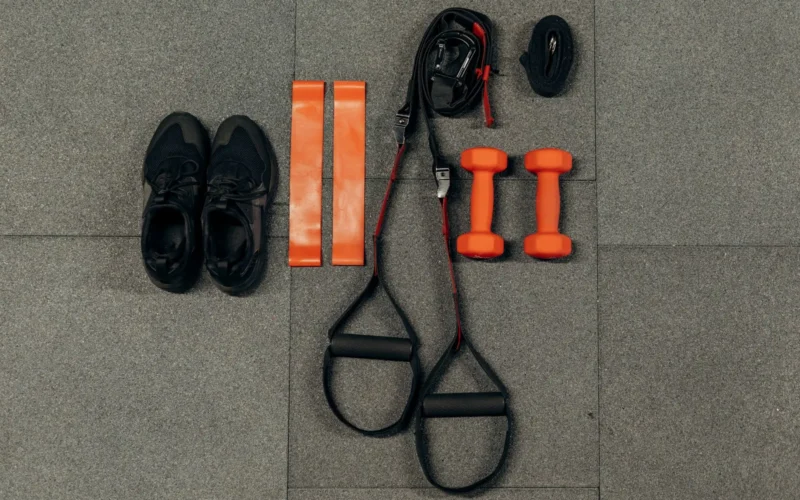
A $300–$500 home gym covers every major movement pattern—push, pull, hinge, squat, carry. You need three pieces to start: adjustable dumbbells, resistance bands, and a pull-up bar. Everything else fills gaps once you know your actual routine.
Start with the Big Three: Dumbbells, Resistance Bands, and a Pull-Up Bar
These three categories handle 80% of your training and cost $150–$250 combined. Dumbbells give you progressive overload. Bands add joint-friendly resistance and pull-up assistance. A pull-up bar unlocks upper-body pulling work that’s nearly impossible to replicate for less money.
Dumbbells: Adjustable vs. Fixed
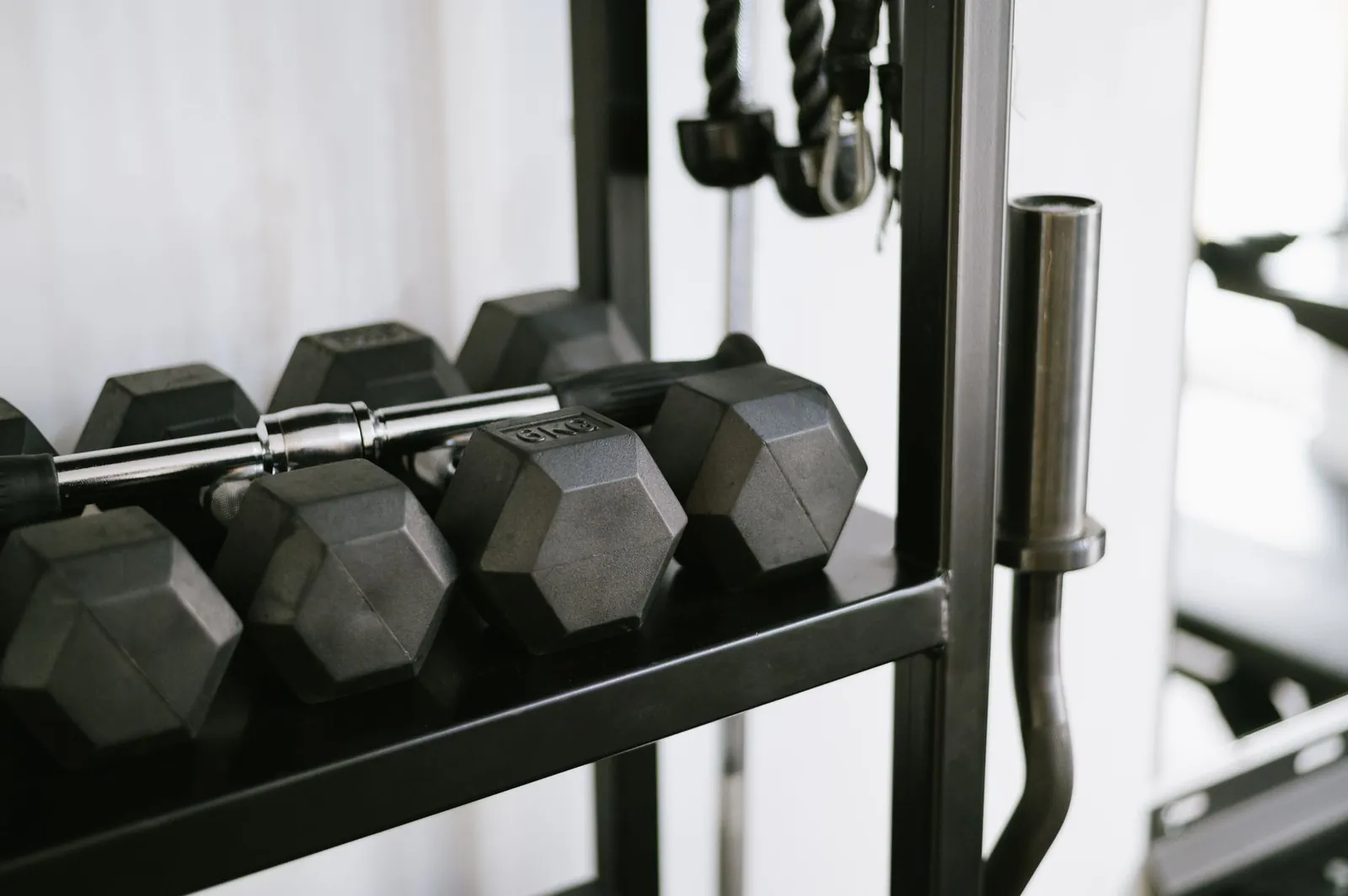
Adjustable dumbbells make sense if you can spend $100–$150 on one pair. A 5–25 lb adjustable set covers beginner-to-intermediate pressing, rows, and curls in one compact unit. Fixed dumbbells cost $0.50–$1.00 per lb and store less efficiently, but buying 10, 15, 20, and 25 lb pairs runs $80–$120 total—cheaper upfront, more floor space required. Either option gets used 4–5 times per week once you’re in a routine.
Resistance Bands
A loop band set (light, medium, heavy) runs $15–$30. Use them to assist pull-ups, add difficulty to squats and deadlifts, and work shoulder mobility. One set, fits in a drawer, weighs nothing. Spend $20–$30 on a name-brand set—Rogue or Serious Steel—instead of $8 knockoffs that snap mid-rep.
Pull-Up Bar
A doorway pull-up bar costs $25–$40 and installs in 30 seconds. It opens up rows, assisted pull-ups, and hanging core work. If your doorframe won’t support one, a power tower ($60–$100) adds dips and leg raises in a single freestanding unit.
Add a Bench and Flooring for $50–$100
A flat weight bench ($40–$70) unlocks dumbbell presses, seated rows, and Bulgarian split squats. Skip the adjustable incline version for now—flat handles 90% of pressing movements at half the price. Avoid benches under $30; they wobble under load and the instability is a real injury risk. Spend the extra $15–$20 for a stable platform.
Pair the bench with interlocking foam mats or rubber tiles ($30–$50 for a 4×6 ft area). They protect your floor, cut impact noise, and reduce joint stress on deadlifts. Thicker mats (1 inch or more) and rubber-coated dumbbells instead of hex iron reduce drop noise noticeably—relevant if you’re in an apartment or training before 7 a.m.
Bodyweight + Bands + Dumbbells = Full-Body Training
Push-ups, squats, lunges, and rows hit every major muscle group. Layer in dumbbells for load and bands for assistance or added resistance, and you’re running a complete program. See our guide to full-body workout routines at home for session-by-session programming.
The best home gym is the one you’ll actually use—start with three pieces and add only what fills a real gap in your routine.
Budget Breakdown: Three Sample Setups
| Setup | Total Cost | Key Gear | Best For |
|---|---|---|---|
| Minimal | ~$250 | Adjustable dumbbells (5–25 lb), resistance bands, doorway pull-up bar | Beginners, small spaces, testing commitment |
| Core | ~$400 | Fixed dumbbells (10–25 lb), bands, pull-up bar, flat bench, foam mats | Intermediate lifters, muscle building, 4+ days/week |
| Complete | ~$550 | Dumbbells, bands, power tower, bench, mats, adjustable kettlebell | Varied training styles, 5 days/week, long-term users |
Our verdict
Start with the Core setup (~$400). It covers all movement patterns, scales as you get stronger, and holds resale value if you upgrade later. The Minimal setup works if you’re renting or still building the habit—plan to add the bench and mats within 2–3 months once you’re training consistently.
Where to Buy and How to Save
- Amazon Basics / CAP Barbell: Reliable dumbbells and benches. Fast shipping, easy returns. Best for: first-time buyers who want low-risk purchases.
- Play It Again Sports: Used dumbbells, benches, and bars at 30–50% off retail. Best for: anyone within driving distance of a location.
- Facebook Marketplace / Craigslist: Local pickup eliminates shipping costs on heavy items. Inspect for cracks, wobble, or missing hardware before handing over cash. Best for: dumbbells and benches, where condition is easy to assess in person.
- Walmart / Dick’s Sporting Goods clearance: Bands and mats often discounted 20–40% at end of season. Best for: filling out a setup cheaply.
One rule that saves money consistently: buy adjustable dumbbells if you can spend $100+ on a single item. The per-pound cost is higher than fixed weights, but you avoid buying five separate pairs as you get stronger. Fixed dumbbells are cheaper upfront—the right call if storage isn’t a constraint and you’re confident about your weight range.
Space Requirements: No Dedicated Room Needed
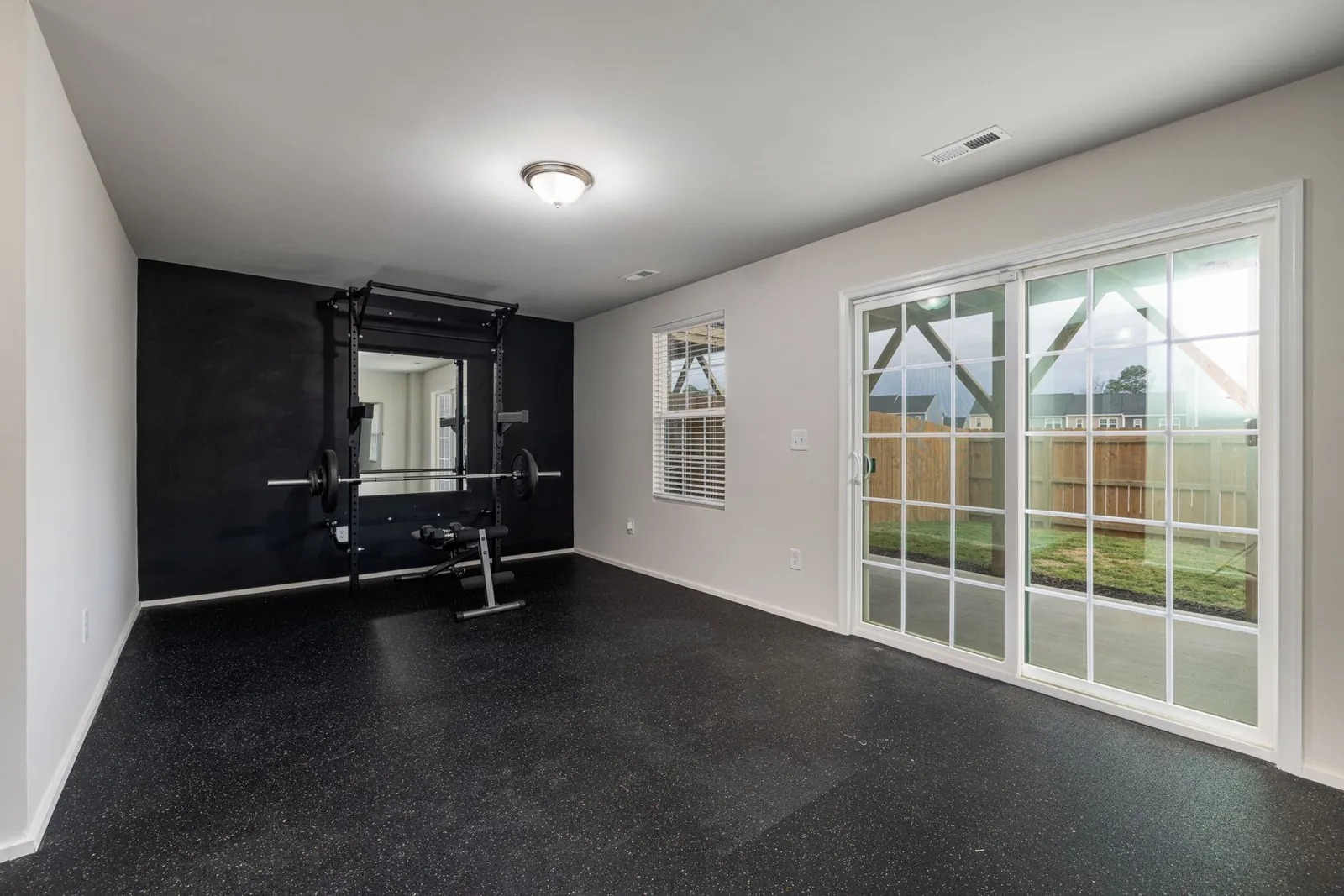
A 6×8 ft corner of a bedroom, garage, or living room is enough. Dumbbells stack vertically on a basic rack ($20–$40) or against a wall. Resistance bands hang on a single hook. A doorway pull-up bar takes zero floor space. Foam mats fold flat in a closet when not in use.
In a small apartment, adjustable dumbbells and a pull-up bar replace 15 pieces of equipment. That’s the trade-off: higher upfront cost per item, dramatically lower total footprint.
Five Budget Mistakes Worth Avoiding
- Bench with built-in leg extension: You won’t use it. It doubles the price. Flat bench only until you’ve maxed out what it offers.
- Cheap resistance bands: $8 sets snap mid-workout, sometimes at face level. Budget $20–$30 for a name-brand set.
- Skipping mats to save $30: Dropped dumbbells damage hardwood and tile. One repair bill costs more than a mat set.
- Oversizing dumbbells: Buy weights you can control for 8–12 reps with good form. Progressive overload—adding reps, sets, or rest reductions before jumping weight—outperforms ego lifting every time.
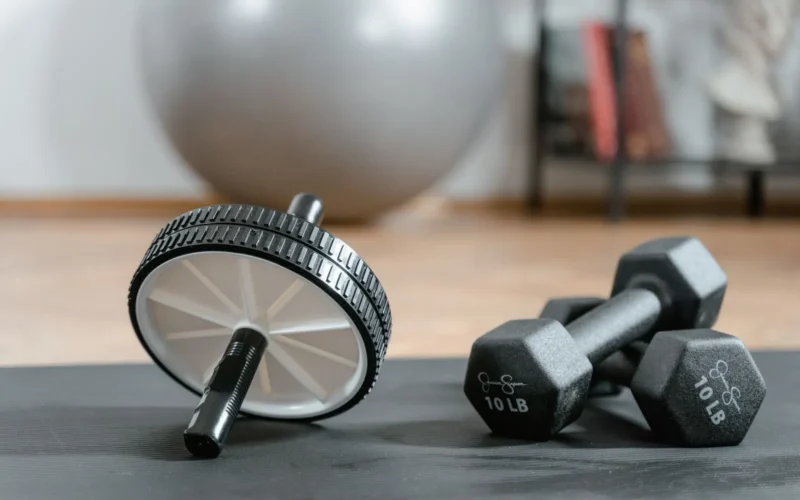
- Gadgets before basics: Ab rollers, balance boards, and foam rollers are useful eventually. At a $200–$300 budget, they displace gear that actually drives progress.
For detailed product reviews in each category, see our best home gym equipment for beginners guide.
Frequently asked questions
Can I build a home gym for $200?
Yes, with trade-offs. Adjustable dumbbells ($100–$150), a doorway pull-up bar ($25–$40), and resistance bands ($15–$30) land around $180–$200. You’ll skip the bench and mats, so floor presses on carpet replace bench work. It holds up short-term, but a $400 setup is more sustainable once you’re training 4+ days per week.
Are adjustable dumbbells worth the extra cost?
If you can spend $100+, yes. They cost more per pound than fixed weights but save roughly 80% on storage and eliminate the need to buy multiple pairs as you get stronger. Fixed dumbbells win on upfront cost; adjustable win on long-term value. Your living situation and how quickly you expect to progress should drive the decision.
Do I need a power rack or squat stand?
Not at this budget. Goblet squats (dumbbell at chest) and dumbbell back squats are effective for beginners and take up no extra space. A rack is a $200–$400 upgrade that makes sense when you’re doing heavy barbell work—typically 6–12 months into consistent training.
How do I keep progressing with only dumbbells?
Four methods work before you need heavier weights: increase reps (8 → 12), add a set (3 → 4), cut rest time (90 seconds → 60 seconds), or slow the eccentric phase (2-second lower → 4-second lower). Resistance bands add difficulty without new equipment. Most people get 6–12 months of progress from a 5–25 lb dumbbell set before needing heavier weights.
What’s the best first upgrade after the Core setup?
Heavier dumbbells (30–50 lb range) if your pressing and rowing strength has outpaced your current weights. A kettlebell ($30–$60 for 35–53 lb) if you want dynamic movements—swings, cleans, Turkish get-ups—that dumbbells don’t replicate as cleanly. Both add challenge without meaningfully increasing your footprint.

Casey is a certified strength coach and trail runner who tests gear by breaking it.