This article may contain affiliate links. If you buy through them we may earn a commission at no extra cost to you.
The TriggerPoint GRID ($49) is the best foam roller for most people—medium density, 36 inches, durable enough for 4–5 sessions per week over 2+ years. If you’re just starting out, the AmazonBasics ($20) works fine until you know you’ll stick with it. Below, we break down every option by density, length, and use case so you don’t overspend or under-equip.
What foam rollers actually do
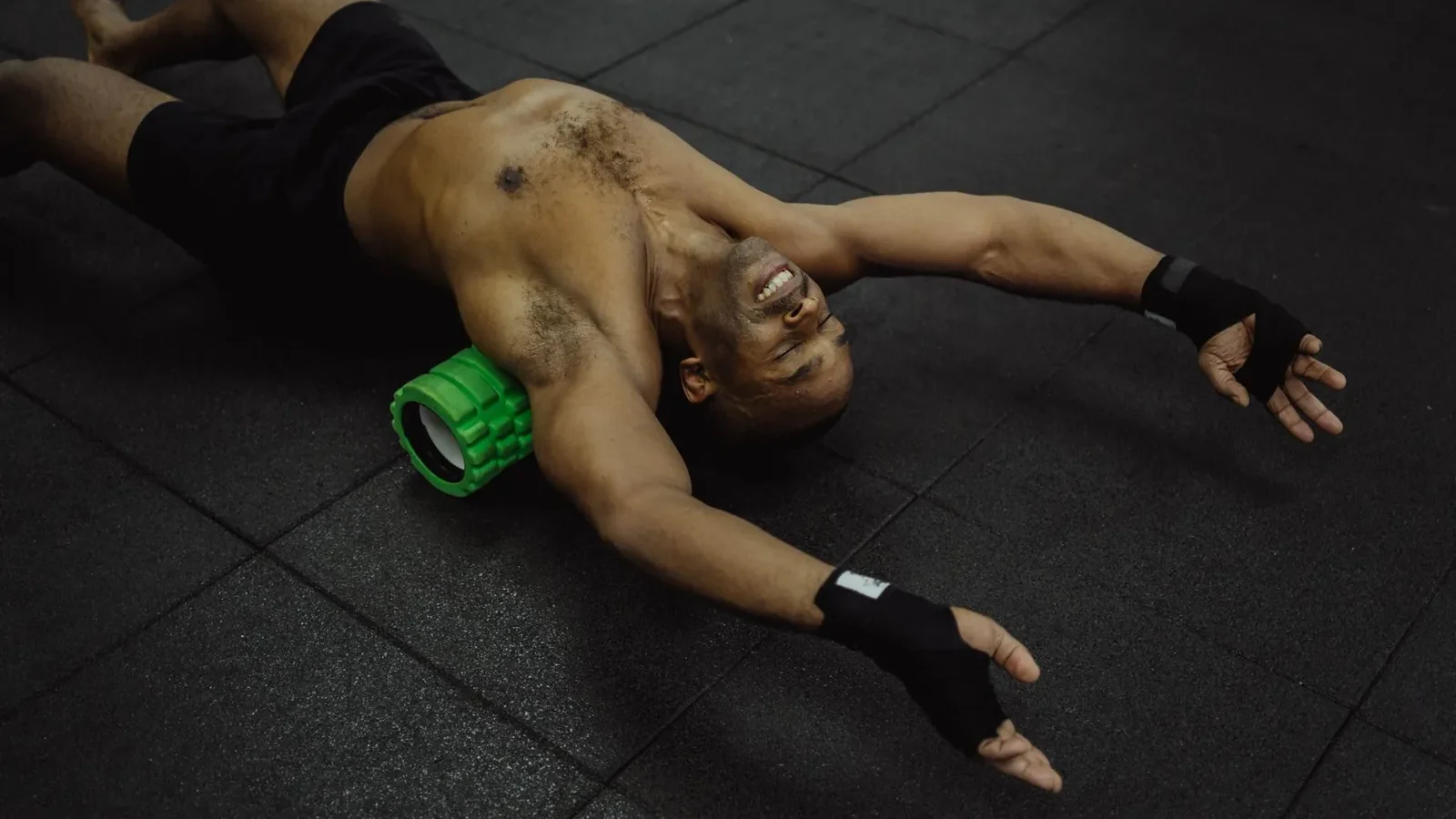
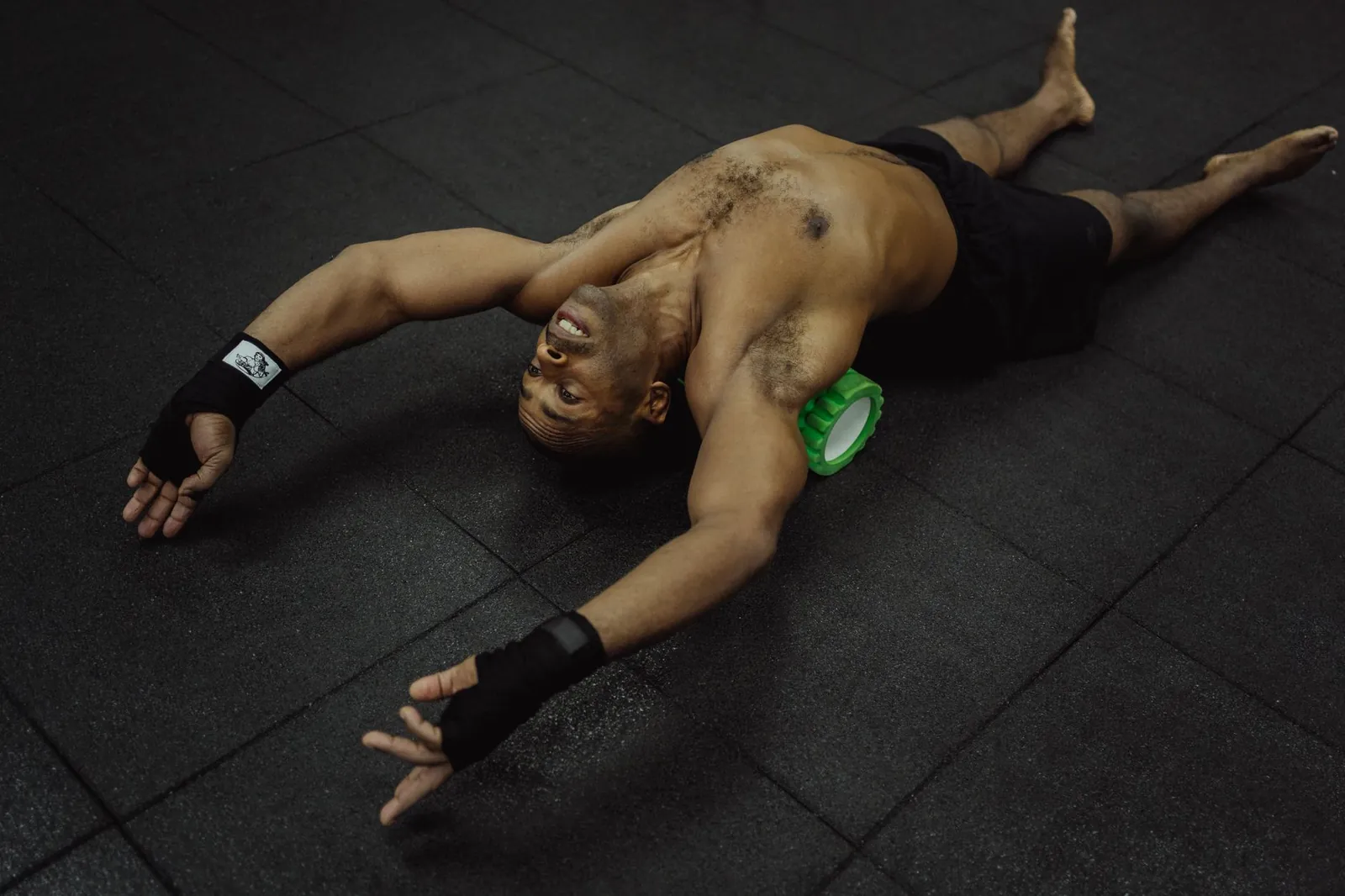
Foam rolling applies sustained pressure to muscle tissue, increasing blood flow and reducing tension that limits range of motion. You’re not breaking scar tissue or “releasing fascia” in the clinical sense—but 60–90 seconds of slow rolling per muscle group does measurably reduce soreness and improve mobility. Used 2–4 times per week, consistently, that adds up.
Roll slowly: about 1 inch per second. Stop on tight spots for 5–10 seconds. Sharp or shooting pain means stop; mild discomfort is normal and expected.
Density matters more than brand
Density determines pressure and lifespan. Get this wrong and you’ll either bruise yourself on day one or replace a compressed roller in six months.
Soft (EVA foam, low-density)
Best for: beginners, sensitive muscles, daily mobility work. Compresses after 6–12 months of heavy use. Price range: $20–$40.
Medium (standard EPE foam)
Best for: most people training 2–4 times per week. Lasts 18–24 months. Price range: $30–$60. The right balance of comfort and durability for the majority of users.
High-density (XPE or firm EPE)
Best for: athletes rolling 5+ times per week who want deep pressure on large muscle groups. Lasts 2+ years. Price range: $40–$100. Genuinely uncomfortable for anyone new to rolling—start here only if you’ve been rolling for 3+ months.
A roller that’s too firm on day one will sit in your closet by week two; start soft and upgrade only if you’re using it weekly.
Length and diameter guide
A 36-inch roller is the standard for a reason—it covers quads, hamstrings, calves, and your full back without repositioning. Shorter 12–18 inch rollers pack into a gym bag but require more balance and won’t span your upper back in one pass. Rollers over 45 inches suit athletes over 6’2″ but are awkward to store.
Diameter is simpler: 4–5 inches gives you enough ground contact to stay stable. Drop below 4 inches and you’re doing targeted work, not full-muscle rolling. Go above 6 inches and you lose the pressure needed to reach deeper muscle tissue.
Top foam roller picks by use case
Best overall value: TriggerPoint GRID (36″, medium-density)
Price: $49. Textured EVA foam with 1.3-inch grooves applies focused pressure without being punishing. Weighs 1.5 lbs, holds up to 4–5 sessions per week for 2+ years. Fits in a gym bag. No assembly, no gimmicks—just a roller that works for every major muscle group.
Best budget option: AmazonBasics Foam Roller (36″, soft)
Price: $18–$25. Smooth surface, 1.2 lbs, good for beginners and daily mobility work. Expect compression after 6–8 months of heavy use—fine if you’re testing the habit before committing to a pricier option.
Best for deep pressure: Hyperice Vyper 2.0 (vibrating, 5″ diameter, medium-firm)
Price: $299. Vibration at 33 Hz increases blood flow faster than static pressure alone—useful for chronically tight calves, quads, and IT bands. Battery lasts 2 hours per charge. At this price, it only makes sense if you’re rolling 5+ times per week. Rolling 2–3 times per week? A massage gun at half the price likely serves you better.
Best for travel: Chirp Wheel+ (12″, medium)
Price: $39–$59. Curved spine-channel design keeps vertebrae off the roller surface—safer for back rolling than a flat cylinder. Weighs 1 lb, fits in a carry-on. The smaller diameter makes it unstable on legs; treat it as a back-and-travel tool, not a full replacement.
Best for targeted work: Lacrosse ball or RAD Roller Stick (18″, handheld)
Price: $5–$35. A lacrosse ball costs $5 and handles calves, feet, and shoulders better than any roller. RAD sticks let you control pressure with both hands—ideal for forearms and calves when you don’t want to get on the floor. Neither replaces a full roller, but both earn a spot in a complete recovery kit.
How to use foam rollers safely
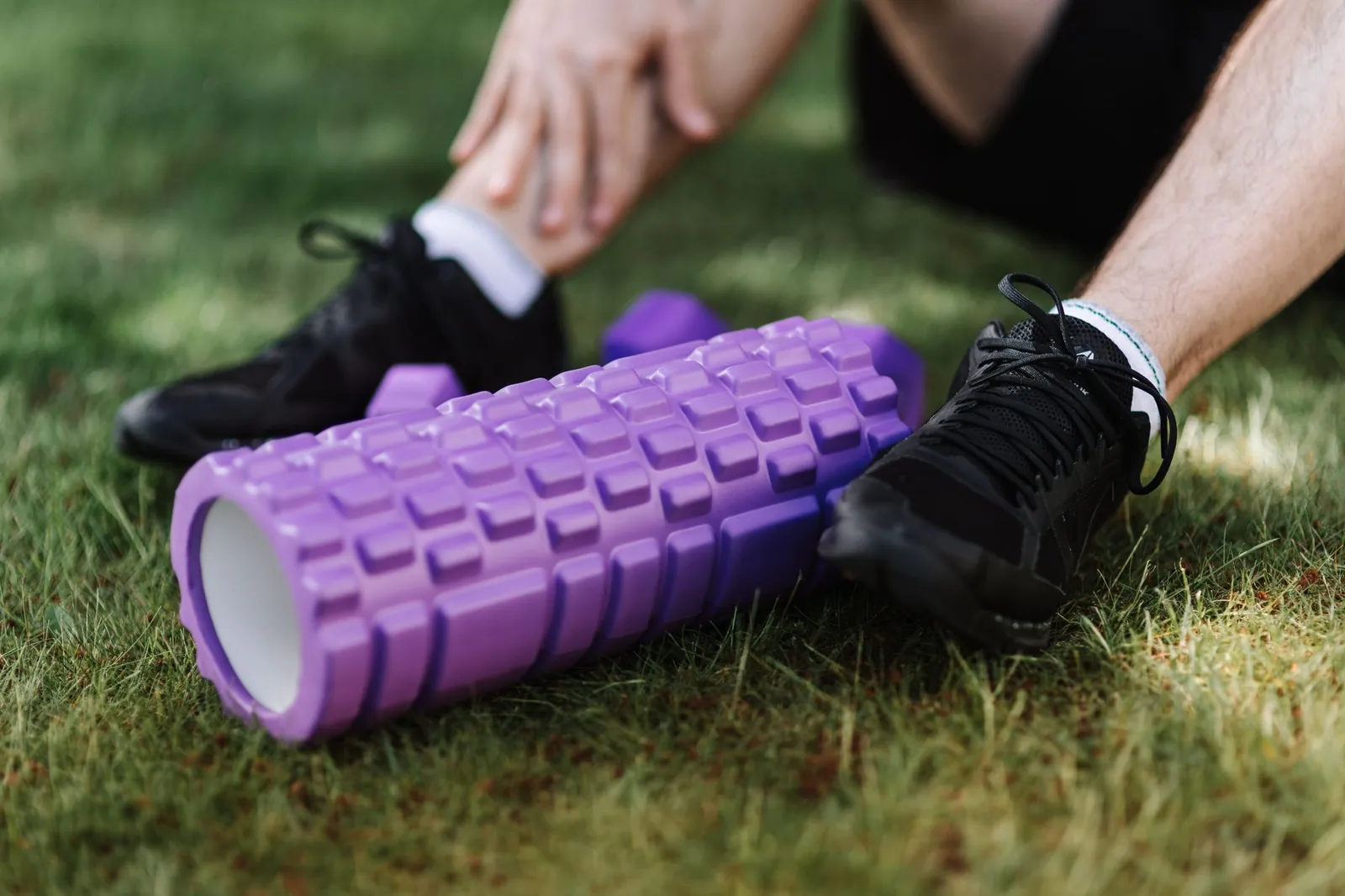
One slow pass takes 60–90 seconds per muscle. Rolling faster than 2 inches per second reduces effectiveness and can cause surface bruising on sensitive skin.
Skip joints entirely—no rolling over knees, elbows, or the bony part of your spine. Rolling the muscles around an injury site is usually fine; rolling directly over an acute sprain or strain is not.
Foam rolling works best as one piece of a recovery routine alongside sleep, hydration, and structured recovery between workouts. It’s not a shortcut for any of those.
Comparison table
| Roller | Price | Length | Density | Best for | Durability |
|---|---|---|---|---|---|
| AmazonBasics | $18–$25 | 36″ | Soft | Beginners | 6–8 months |
| TriggerPoint GRID | $49 | 36″ | Medium | Most users | 2+ years |
| Hyperice Vyper 2.0 | $299 | 5″×5″ | Medium-firm | Athletes, deep pressure | 2+ years |
| Chirp Wheel+ | $39–$59 | 12″ | Medium | Back/spine, travel | 2+ years |
| RAD Roller Stick | $25–$35 | 18″ | Medium | Calves, handheld work | 2+ years |
Our verdict
Start with the TriggerPoint GRID ($49) if you roll 2–4 times per week—it handles every muscle group and won’t compress on you. On a tight budget, the AmazonBasics ($20) is a low-risk entry point; upgrade in 6–8 months if the habit sticks. Skip the Hyperice Vyper unless you’re already rolling 5+ times per week—the vibration benefit doesn’t justify $299 for casual use.
Frequently asked questions
How often should I foam roll?
2–4 times per week covers most training schedules. Roll after workouts while muscles are warm, or on rest days to maintain mobility. Daily rolling is safe if you’re training 6+ days per week or managing chronic tightness—but it’s not necessary for most people.
Can foam rolling replace stretching?
No. Foam rolling reduces tension and improves blood flow; stretching builds lasting range of motion. Do both: roll first (60–90 seconds per muscle), then stretch (30 seconds per position, 2–3 rounds).
Is foam rolling safe if I have an injury?
Avoid rolling directly over acute injuries—fresh sprains, strains, or bruises. Rolling the muscles surrounding the injury is generally fine. If you’re unsure, check with your doctor or physical therapist before rolling.
Do I need a textured or smooth roller?
Textured rollers concentrate pressure on a smaller contact area, so they feel more intense at the same body weight. Smooth rollers distribute pressure evenly. Beginners usually find smooth more manageable; experienced rollers often prefer texture for deeper work. Both produce results.
What’s the difference between foam rolling and a massage gun?
Foam rolling uses your body weight and sustained pressure for 60–90 seconds per muscle. Massage guns use rapid percussion for 15–30 seconds. Foam rollers cost less and recover muscles just as effectively; massage guns are faster when you’re short on time or targeting small areas like forearms and calves.

Marcus is a cycling coach and hiker who plans routes down to the water stops.