This article may contain affiliate links. If you buy through them we may earn a commission at no extra cost to you.
Recovery between workouts is where your body adapts and gets stronger—not during the workout itself. The faster you recover, the sooner you can train hard again without overuse injury. Here’s what works and what doesn’t.
Why Recovery Matters More Than You Think
Your muscles don’t grow or improve during the workout. Damage happens in the gym; repair and adaptation happen after. When you lift, run, or cycle hard, you create micro-tears in muscle fibers and deplete energy stores. Your nervous system also needs time to consolidate the workout and prepare for the next one.
Skip recovery and you hit a wall: strength plateaus, performance drops, mood tanks, and injury risk climbs. Elite athletes spend as much effort on recovery as training. You should too.

Sleep: The Non-Negotiable Recovery Tool
Sleep is where most of the magic happens. Growth hormone peaks during deep sleep, protein synthesis accelerates, and your nervous system consolidates motor learning. Aim for 7–9 hours per night on training days; 8–10 if you train hard daily.
How sleep affects recovery
- Muscle repair: Most muscle protein synthesis occurs during sleep, especially in the first 2–3 hours after falling asleep.
- Hormone balance: Cortisol (stress) drops, testosterone and growth hormone rise.
- Nervous system: Motor patterns consolidate; reaction time and coordination improve.
- Immune function: Cytokine production increases, reducing infection risk from hard training.
If you train in the morning, prioritize sleep the night before. If you train in the evening, expect 60–90 minutes of wind-down time before bed—screens off, room cool (60–67°F is ideal).
Nutrition: Fuel the Repair Process
You can’t recover without raw materials. Protein rebuilds muscle; carbs replenish glycogen (your energy stores); fat supports hormone production and reduces inflammation.
Post-workout nutrition window
Eat within 1–2 hours of finishing a hard workout. You don’t need a special drink—real food works just as well. Aim for:
- Protein: 20–40 grams (chicken, fish, eggs, Greek yogurt, legumes).
- Carbs: 40–80 grams depending on workout intensity (rice, oats, fruit, bread).
- Minimal fat: Keep fat low immediately post-workout so carbs and protein absorb faster.
Example: grilled chicken (35g protein) + white rice (60g carbs) + a banana. Takes 15 minutes to prepare.
Daily nutrition for recovery
Spread protein intake across 4–5 meals: 20–40 grams per meal stimulates muscle protein synthesis more effectively than one large dose. Eat whole foods most of the time. Vegetables and berries provide antioxidants that reduce excessive inflammation (though some inflammation is necessary for adaptation).
Recovery isn’t about perfection—it’s about consistency in the basics: sleep, protein, and not training hard every single day.
Active Recovery: Move Without Crushing Yourself
Active recovery means low-intensity movement on rest days or between hard sessions. It increases blood flow, clears metabolic waste, and reduces soreness without triggering new damage.
Examples of active recovery
- Walking: 20–40 minutes at a pace where you can talk (Zone 1 intensity).
- Easy cycling: 30–45 minutes, flat terrain, conversational pace.
- Swimming: 15–20 minutes, easy strokes, focus on movement quality.
- Yoga: 20–30 minutes, gentle flows, no heavy stretching.
- Light rowing: 15–20 minutes, low resistance, easy cadence.
The key: heart rate stays 50–60% of max (roughly 100–120 bpm for most people). If you’re breathing hard, you’re working too hard.
Do 1–2 active recovery sessions per week, on days between hard workouts. Skip it if you’re already sore, injured, or sleep-deprived—rest completely instead.
Stretching and Mobility Work
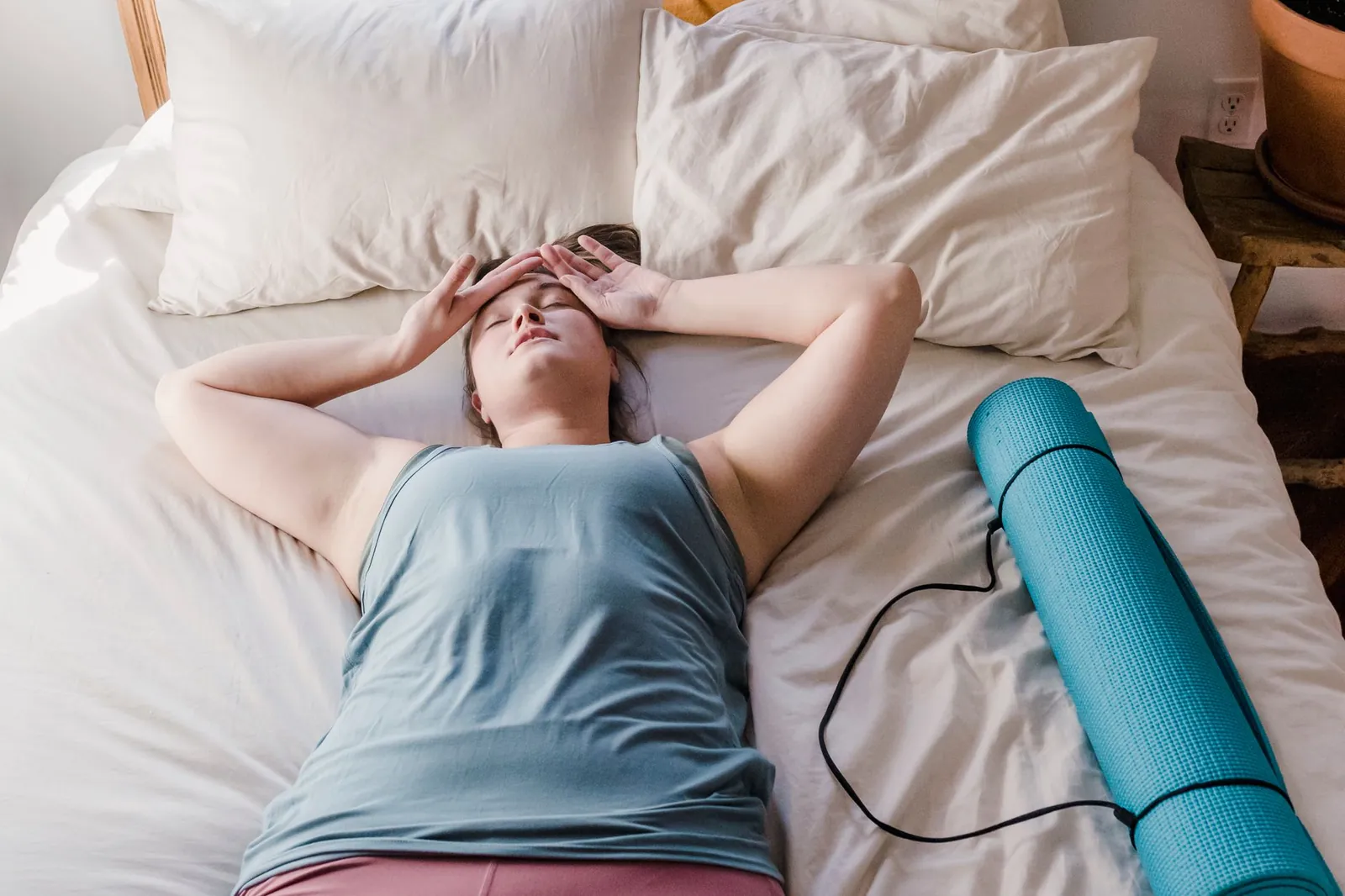
Stretching doesn’t speed recovery directly, but it maintains range of motion and can reduce perceived soreness. Do it after workouts when muscles are warm, not before (stretching cold muscles increases injury risk).
Post-workout stretching routine (5–10 minutes)
- Quad stretch: 30 seconds per leg.
- Hamstring stretch: 30 seconds per leg.
- Chest and shoulder stretch: 30 seconds each.
- Hip flexor stretch: 30 seconds per side.
- Spinal twist: 30 seconds per side.
Hold each stretch at mild tension—never painful. Breathe steadily. Mobility work (dynamic movement patterns) is more useful than static stretching for long-term recovery and injury prevention. Spend 5–10 minutes 2–3 times per week on mobility drills targeting your weak points.
Tools That Actually Help (and Ones That Don’t)
Foam rolling, massage guns, and ice baths are popular but evidence is mixed. Some work; others are expensive placebos.
Foam rolling
Rolling tight muscles for 60–90 seconds per area can reduce soreness and improve mobility short-term. It doesn’t flush toxins (that’s marketing), but it does increase blood flow. Use it 1–2 minutes per muscle group, 2–3 times per week. Skip it if you have active injuries or severe soreness.
Massage guns
Similar to foam rolling: helps with soreness and mobility, not recovery speed. Useful if you prefer vibration to self-massage. Spend 30–60 seconds per muscle group. Not necessary if you’re already stretching and doing active recovery. For a detailed comparison, see our foam roller vs. massage gun guide.
Ice baths and contrast therapy
Ice baths reduce inflammation and soreness but may blunt adaptation (the training stimulus). Use ice only for acute injuries or after very intense competition, not as routine recovery. Cold water immersion (10–15 minutes at 50–59°F) is overkill for most people. A cool shower works.
Compression gear
Compression sleeves and tights feel good but don’t measurably speed recovery in research. They may help psychologically and with swelling perception. Skip if budget is tight.
Manage Workout Frequency and Intensity
The smartest recovery tool is training smart. You can’t recover from what you don’t do.
Hard vs. easy workouts
Follow the 80/20 rule: 80% of your training should be easy (conversational pace, low intensity); 20% hard (near maximum effort). Most people flip this and train hard every session, which crushes recovery and stalls progress.
Hard workouts: 1–2 per week per muscle group or energy system. Examples: heavy strength sessions, interval training, max-effort sprints.
Easy workouts: 3–5 per week. Examples: light cardio, technique work, low-resistance strength.
Rest days
Take at least 1–2 complete rest days per week (zero structured training). On these days, move casually if you want, but don’t do workouts. This gives your nervous system time to recover, which is as important as muscle recovery.
Frequently Asked Questions
How long does it take to recover from a hard workout?
Muscle soreness peaks 24–48 hours after a hard workout (DOMS). Muscle damage repairs in 24–72 hours depending on intensity. Full nervous system recovery takes 48–72 hours. This is why you shouldn’t do hard workouts on the same muscle groups on back-to-back days.
Can you train hard on consecutive days?
Yes, if you alternate muscle groups or energy systems. Train legs hard Monday, upper body hard Tuesday, cardio hard Wednesday. But training the same muscles hard 2 days in a row delays recovery and increases injury risk. Plan workouts to rotate stress.
Does alcohol affect recovery?
Yes, significantly. Alcohol disrupts sleep quality, reduces protein synthesis, and impairs hydration. One or two drinks occasionally won’t wreck progress, but regular drinking (3+ drinks per day) measurably slows recovery. Avoid alcohol the night of or after hard workouts.
Is soreness (DOMS) a sign you need more recovery?
Not necessarily. Soreness is normal after a new workout or after a break. It doesn’t mean you’re injured or that recovery is failing. If soreness is severe enough to limit movement 3+ days after a workout, you may have trained too hard or need better nutrition and sleep. Mild soreness is fine; train through it if it’s not painful.
What’s the fastest way to recover between workouts?
In order of importance: sleep (non-negotiable), protein intake (20–40g per meal), avoiding hard workouts on consecutive days, and hydration (drink to pale urine). Everything else—stretching, massage, ice—is secondary. Get the basics right first.

Casey is a certified strength coach and trail runner who tests gear by breaking it.