This article may contain affiliate links. If you buy through them we may earn a commission at no extra cost to you.
Most sedentary adults need 0.8g of protein per kilogram of body weight daily. If you lift weights or run regularly, that number climbs to 1.6–2.2g/kg. A 70kg person building muscle should target 112–154g daily — roughly what you’d get from 450g of chicken breast spread across four meals.
Baseline Protein for Sedentary Adults
The Recommended Dietary Allowance (RDA) sets the floor at 0.8g per kilogram. For a 70kg (154-pound) person, that’s 56g daily — a 150g chicken breast plus two eggs gets you there. This amount maintains muscle mass and supports basic body functions. It doesn’t account for exercise, weight loss, or muscle gain.
When 0.8g/kg is enough
- Office-based work with light daily movement
- Walking 30 minutes most days
- No resistance training
- Stable body weight and muscle mass
Protein for Endurance Athletes
Running, cycling, and rowing demand more protein than baseline. During long efforts, your body oxidizes amino acids for fuel and accumulates muscle damage from repetitive impact. Aim for 1.2–1.4g per kilogram daily — that’s 84–98g for a 70kg runner.
Spread intake across 4–5 meals to maximize muscle protein synthesis. Total daily intake matters more than timing, but 20–30g within 2 hours of a long run accelerates recovery.
Protein for Strength Training and Muscle Building
Lift 3–5 days a week with muscle gain as the goal? Move to 1.6–2.2g per kilogram daily. A 70kg lifter targets 112–154g. Split that into 4 meals of 25–35g each — your muscles can synthesize roughly 20–40g of new protein per meal, so front-loading one giant steak dinner leaves gains on the table.
Total daily protein matters far more than meal timing; eat your target consistently, and your muscles adapt.
Common strength training targets
| Goal | Body Weight | Daily Protein Range | Example Target |
|---|---|---|---|
| Build muscle (novice) | 70kg | 112–140g | 126g (1.8g/kg) |
| Build muscle (advanced) | 70kg | 140–154g | 147g (2.1g/kg) |
| Maintain while cutting | 70kg | 112–126g | 119g (1.7g/kg) |
Protein During Weight Loss
A calorie deficit puts muscle at risk. Staying at 1.6–2.2g/kg — the same range as a muscle-building phase — preserves lean mass while you drop fat. For a 70kg person, that’s 112–154g daily even while eating less overall. It feels aggressive on reduced calories, but the trade-off is keeping the muscle you’ve built. Protein also has the highest thermic effect of any macronutrient, meaning your body burns more calories digesting it than it does digesting carbs or fat.
Pair high protein with strength training 3–4 days per week. Light walking on off-days keeps you active without eating into recovery.
How to Hit Your Daily Target
Calculate your number, then track for 3–5 days to see where you actually land. Most people are 20–30g short without knowing it.
Quick protein sources
- Chicken breast: 31g per 100g (cooked)
- Greek yogurt: 10g per 150g serving
- Eggs: 6g per large egg
- Salmon: 25g per 100g (cooked)
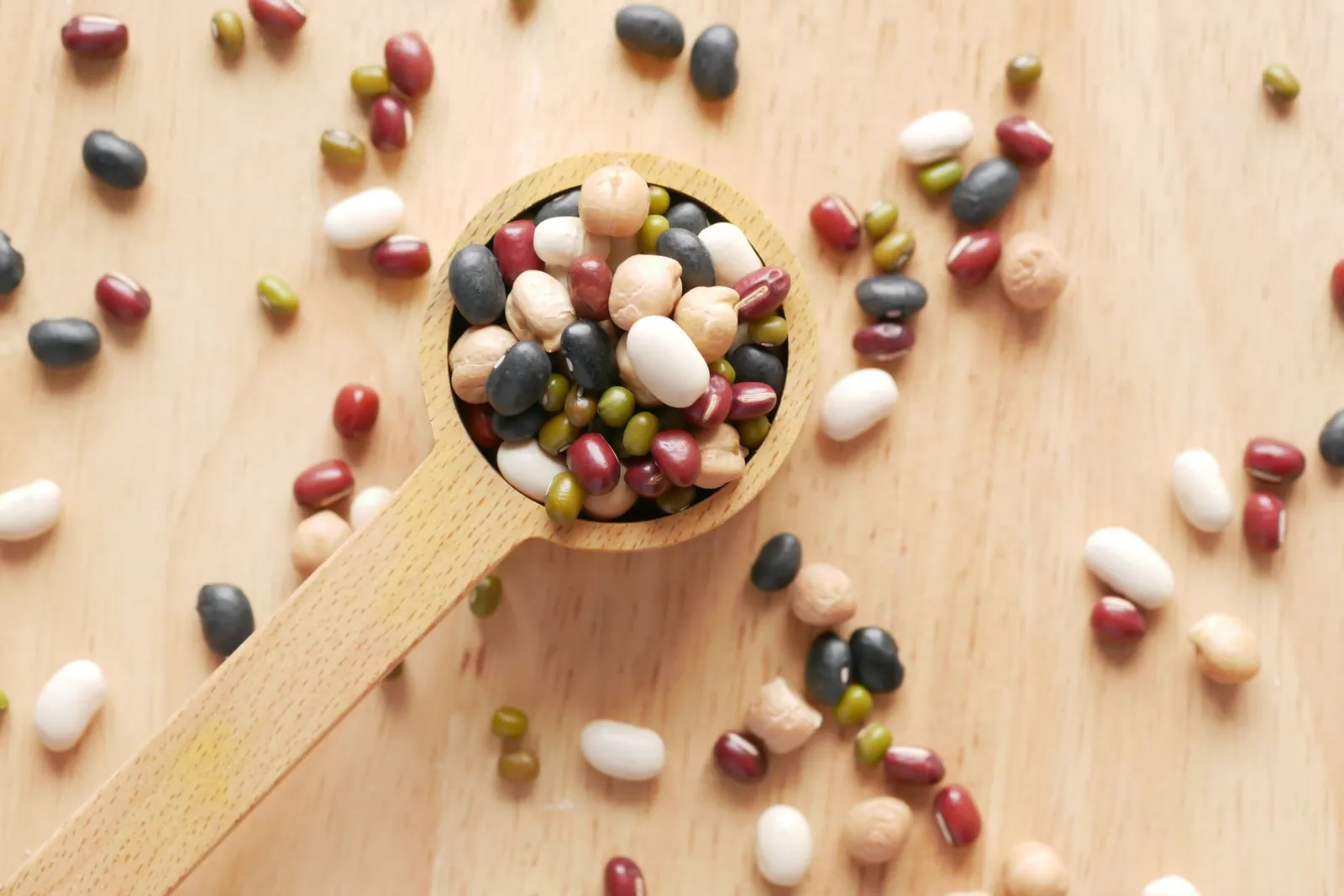
- Lentils: 9g per cooked cup
- Whey protein powder: 20–25g per scoop
Here’s what 125–140g looks like for a 70kg lifter across one day:
- Breakfast: 3 eggs + 1 slice whole grain toast = 18g
- Snack: Greek yogurt (200g) = 13g
- Lunch: 150g chicken + rice = 31g
- Snack: Protein shake (1 scoop) = 25g
- Dinner: 150g salmon + vegetables = 38g
- Total: 125g — scale portions up slightly to reach 140g
See Best Protein Sources for Athletes for detailed breakdowns and meal prep ideas.
Age, Sex, and Individual Variation
The ranges above apply broadly, but three factors shift your target meaningfully.
Older adults (65+)
Muscle protein synthesis becomes less efficient with age — the same 30g meal triggers less muscle repair at 70 than at 30. Aim for 1.0–1.2g per kilogram even without formal training. A 70kg older adult should target 70–84g daily, prioritizing leucine-rich sources like dairy and eggs.
Pregnant and breastfeeding
Add 25g daily during pregnancy and another 25g during breastfeeding on top of your baseline. Talk to your healthcare provider for a personalized number.
Very high body fat
If your body fat exceeds 30%, calculate protein off your lean body weight rather than total weight — otherwise you’ll overshoot significantly. No body composition data? Use total weight and aim for the lower end of your range.
Practical Limits and Safety
Eating at 2.2g/kg is safe for most people. Research shows no harm to kidney or bone health at this intake level in people without pre-existing kidney disease. Going above 2.2g/kg adds cost and calories without adding muscle.
One logistics note: high protein intake raises urine volume slightly. Drink 2.5–3.5 liters of water daily, more if you train hard or live somewhere hot.
Learn more about optimizing recovery in Nutrition for Muscle Recovery Guide.
Frequently asked questions
Can I eat all my protein in one meal?
Technically yes, but it’s inefficient. Your muscles can synthesize roughly 20–40g of new protein per meal. Eat 150g at dinner and 110g+ goes to energy or storage rather than muscle repair. Spread intake across 4–5 meals for better results.
Do I need protein powder?
No. Chicken, eggs, Greek yogurt, and fish work just as well. Powder is convenient for a quick post-workout shake or when whole foods aren’t available — a tool, not a requirement.
What if I’m vegan or vegetarian?
Some plant proteins are complete (containing all 9 essential amino acids); many are not. Pair incomplete sources — beans with rice, lentils with whole grain bread — to cover all amino acids. Because plant proteins absorb slightly less efficiently than animal proteins, aim for the higher end of your range.
Does protein intake change if I’m cutting calories?
Yes — increase to 1.6–2.2g/kg to protect muscle in a deficit. Drop protein during a cut and you lose muscle alongside fat, which slows your metabolism and changes your body composition in the wrong direction.
How do I know if I’m eating enough?
Track for 3–5 days using an app like MyFitnessPal. Most people find they’re 20–30g short of their target. If you’re training hard and recovering poorly, undereating protein is the first variable to check.
Casey is a certified strength coach and trail runner who tests gear by breaking it.