This article may contain affiliate links. If you buy through them we may earn a commission at no extra cost to you.
The best energy bars for athletes deliver 20–40g carbs, 5–20g protein, and 150–300 calories per bar. Clif Bar wins for all-purpose endurance use; Built Bar leads for post-lift recovery; Maurten Solid is the top pick for racing. Everything below hinges on timing and your sport.
What Makes a Good Energy Bar for Athletes
Three numbers drive the decision: carbs for fuel, protein for muscle support, and fiber for digestion risk. Keep fiber under 5g if you’re eating during exercise—above 8g and you’re gambling with your stomach. Fat works the same way: fine post-workout (3–8g), a liability mid-run.
Timing changes the target entirely. Pre-workout: 20–30g carbs, minimal fiber, eaten 30–60 minutes out. During a long effort: 25–40g carbs in a format you can chew without slowing down. Post-workout: aim for a 2:1 or 3:1 carb-to-protein ratio—40g carbs and 20g protein is a solid recovery target.
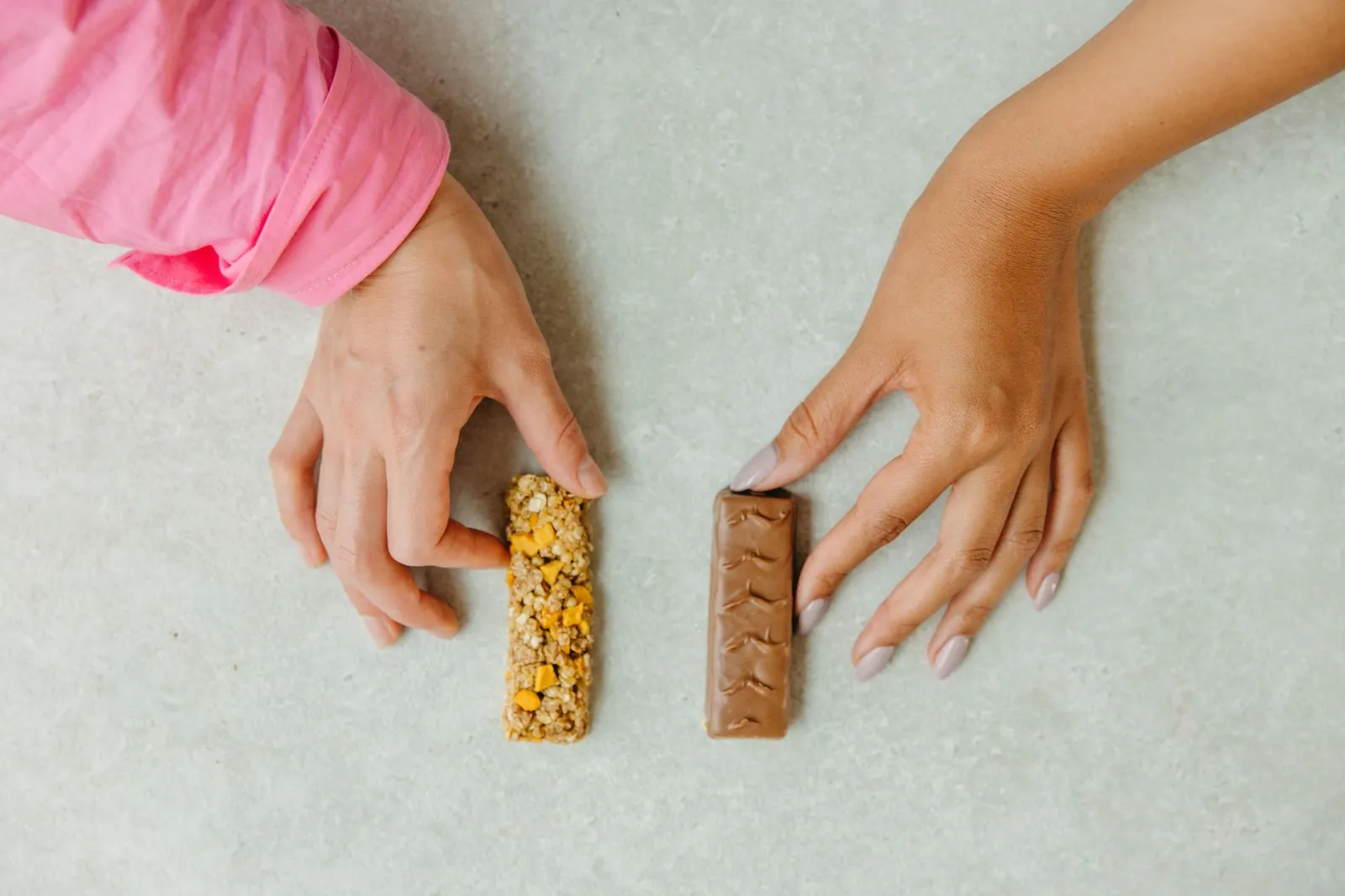
Best Energy Bars by Purpose
For Endurance Athletes (Running, Cycling, Triathlon)
You need carbs that clear your stomach fast. Bars beat gels on taste and satiety during multi-hour efforts, but the wrong one—too much fat or fiber—will slow you down by mile 10.
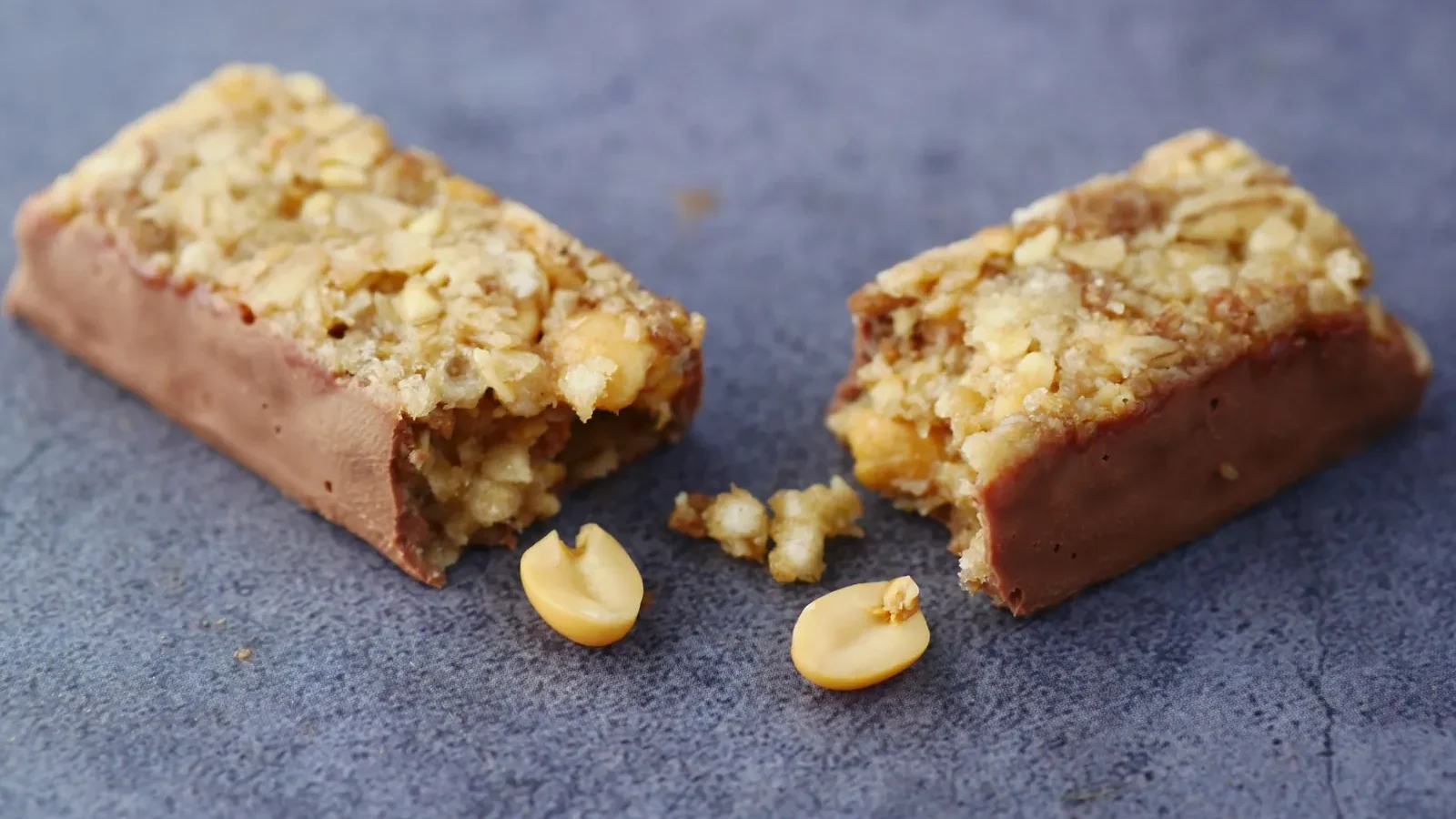
- Clif Bar — 240 cal, 45g carbs, 10g protein, 5g fiber. The proven standard. Crunchy Peanut Butter holds up in a jersey pocket, and the chewy texture lets you eat mid-effort without stopping. Best for: long training rides and runs.
- GU Energy Bar — 200 cal, 40g carbs, 8g protein, 3g fiber. Lighter than Clif with less fiber, so it sits easier during high-intensity work. Chocolate Chip is the most popular flavor for a reason. Best for: tempo runs and race-day fueling.
- Maurten Solid 160 — 250 cal, 50g carbs, 5g protein, 2g fiber. Built around hydrogel technology that buffers carbs through the stomach at pace. At $2.50–3.00 per bar it’s a premium buy, but GI complaints drop noticeably for athletes who struggle with gels. Best for: ultra-endurance and racing.
For Strength Training and Gym Work
Pre-workout, keep it light—200 calories and 20–25g carbs is enough to fuel a 60-minute session without sitting heavy. Post-workout, flip the priority toward protein.
- RXBAR — 210 cal, 24g carbs, 12g protein, 5g fiber. Egg-white protein base, no added sugar beyond dates. The 2:1 carb-to-protein ratio works before or after lifting. Best for: pre-workout fuel and clean-label shoppers.
- Built Bar — 200 cal, 22g carbs, 20g protein, 1g fiber. Highest protein-per-calorie on this list. The Chocolate Chip Cookie Dough flavor actually tastes like dessert, which matters for consistency. Best for: post-workout recovery.
- ONE Bar — 220 cal, 20g carbs, 20g protein, 1g fiber, 1g sugar. Low sugar makes it the pick when you’re not in a carb-loading phase and want protein without the spike. Best for: post-lift snack on lower-volume training days.
For Quick Energy and Convenience
- Honey Stinger Organic — 180 cal, 30g carbs, 6g protein, 2g fiber. Real honey and oats in a softer texture that’s easier on your jaw during a long ride than a dense Clif. Best for: cyclists and athletes who find harder bars tough to chew at effort.
- GoMacro — 250 cal, 30g carbs, 10g protein, 3g fiber. Fully plant-based and vegan-certified. Peanut Butter Chocolate is the top seller. At $2.00–2.50 per bar it costs more than Clif but less than Maurten. Best for: plant-based athletes needing a whole-food option.
Comparison Table
| Bar | Calories | Carbs (g) | Protein (g) | Fiber (g) | Best For | Price Per Bar |
|---|---|---|---|---|---|---|
| Clif Bar | 240 | 45 | 10 | 5 | Endurance, all-purpose | $1.20–1.50 |
| GU Energy Bar | 200 | 40 | 8 | 3 | Running, high intensity | $1.50–2.00 |
| RXBAR | 210 | 24 | 12 | 5 | Gym, strength training | $1.80–2.20 |
| Built Bar | 200 | 22 | 20 | 1 | Post-workout recovery | $2.00–2.50 |
| Maurten Solid | 250 | 50 | 5 | 2 | Ultra-endurance, racing | $2.50–3.00 |
| Honey Stinger | 180 | 30 | 6 | 2 | Light fuel, cycling | $1.40–1.80 |
| ONE Bar | 220 | 20 | 20 | 1 | Low-carb, keto-friendly | $2.00–2.50 |
How to Use Energy Bars in Your Training Plan
Before Your Workout
Eat one bar 30–60 minutes before intense exercise: 200–300 calories and 30–40g carbs is the target. Pair it with 12–16 oz of water. Skip bars with more than 5g fiber or 5g fat right before running—both slow gastric emptying and can trigger cramping. See our guide on what to eat before a workout for full timing options.
During Long Efforts (2+ Hours)
Target 30–60g of carbs per hour. One Clif Bar or GU Energy Bar every 60–90 minutes hits that range. If you’re pushing toward 60g/hour—common in cycling—alternate bars with gels or sports drink rather than doubling up on bars. Chew slowly and chase each bar with water to keep digestion moving.
After Your Workout
Within 30 minutes of finishing, eat a bar with a 2:1 or 3:1 carb-to-protein ratio. Built Bar, RXBAR, and Clif Bar all qualify. Follow it with a full meal—protein, complex carbs, vegetables—within two hours. Check out best carbs for athletes to build out the rest of your recovery nutrition.
A bar you’ll actually eat beats the “perfect” bar sitting in your bag uneaten.
Ingredient Quality and Digestion
Bars built on corn syrup, hydrogenated oils, and artificial sweeteners work in a pinch but carry two real risks: energy crashes 45–60 minutes after eating and GI distress during hard efforts. Neither is worth saving $0.50 per bar on race day.
What to Look For on the Label
- Carb source: Dates, oats, honey, and brown rice syrup digest more smoothly than high-fructose corn syrup.
- Protein type: Whey isolate and plant blends (pea, hemp) are easier on digestion than whole milk protein concentrate.
- Fiber: 2–5g is a safe range during exercise. Over 8g risks bloating and slowed absorption when you need fuel fast.
- Fat: Keep it under 5g for anything eaten during or right before hard effort. Post-workout, 3–8g is fine.
If a bar causes nausea or cramping, the culprit is almost always excess fiber, fat, or a sugar alcohol like maltitol. Test any new bar on an easy training day—never on race day. Start with half a bar to gauge your stomach’s response before committing to a full one mid-effort.
Budget vs. Premium: Where the Money Goes
Clif Bar at $1.20–1.50 is proven across millions of training hours and hard to beat for everyday use. Honey Stinger at $1.40–1.80 adds digestibility and a softer texture for a small premium. Maurten at $2.50–3.00 makes sense if you train 10+ hours per week or race frequently and have had GI issues with cheaper bars—the hydrogel formulation is a real difference, not marketing.
Buying in boxes of 12 online typically cuts per-bar cost by 20–30% versus single-bar retail. Store bars below 75°F; heat softens the texture and can degrade fat-soluble nutrients over time.
Our Verdict
Clif Bar is the best all-around pick: 45g carbs, proven taste, and under $1.50 per bar. For post-workout muscle recovery, go Built Bar—20g protein at 200 calories is hard to match. For racing or ultra-endurance where GI stress is a real risk, Maurten Solid justifies the premium. Whatever you choose, test it in training before it matters.
Frequently Asked Questions
Can I eat an energy bar as a meal replacement?
Not as a regular habit. A bar covers fuel, not nutrition—it lacks the micronutrients, healthy fats, and fiber variety your body needs daily. Use bars to bracket training sessions, then eat real food (chicken, rice, eggs, vegetables) for actual meals.
How long do energy bars last?
Most bars stay fresh 12–18 months stored in a cool, dry place. Heat and humidity shorten that window. Check the wrapper date, and don’t eat a bar that smells rancid or has visible moisture damage.
Are homemade energy bars better than store-bought?
Cheaper, yes—and you control every ingredient. The trade-off is consistency: hitting a precise 40g carbs and 10g protein in a homemade oat-date bar takes practice and a kitchen scale. Store-bought bars are reliable when you need the same fuel hit every session. Both work; pick the one you’ll actually prepare and eat.
What’s the difference between energy bars and protein bars?
Energy bars lead with carbs—typically 30–50g—to fuel exercise. Protein bars lead with protein—usually 15–30g—for recovery and satiety. Use energy bars before and during workouts; use protein bars after or as between-meal snacks. RXBAR and Built Bar blur the line, so read the label rather than trusting the category name.
Do energy bars cause weight gain?
Only if total daily calories exceed what you burn. A 240-calorie Clif Bar fuels roughly 25–35 minutes of moderate running—essentially a wash. Eating bars as extra snacks on top of an already adequate diet will add calories. Time them around training to replace energy you’re spending, not to supplement it.

Marcus is a cycling coach and hiker who plans routes down to the water stops.