This article may contain affiliate links. If you buy through them we may earn a commission at no extra cost to you.
Eat carbs 30 minutes to 3 hours before you train. Add a small amount of protein—5–15 grams—if you have at least 60 minutes to digest. The exact window depends on meal size: a banana clears in 30 minutes; a full plate of rice and chicken needs 2–3 hours. Get that wrong and you’re either cramping through your session or running on empty by the second set.
Timing: When to Eat Before a Workout
30 minutes before: Quick snacks only
Keep it simple and small—fast carbs only. A banana, 6–8 oz of sports drink, or a handful of pretzels works. Skip protein and fat here. Both slow digestion and can cause nausea during intense effort when blood is being pulled away from your stomach to your working muscles.
60–90 minutes before: Light meal
This window suits most training sessions. Aim for 20–40 grams of carbs and 5–15 grams of protein. Toast with peanut butter or half a cup of oatmeal with berries fits the bill. Your stomach has enough time to process it without leaving you feeling heavy at warm-up.
2–3 hours before: Full meal
With this much runway, eat a proper meal: 50–100 grams of carbs, 15–30 grams of protein, fat under 15 grams. This is the right call before long sessions (90+ minutes) where you need sustained glycogen, not just a quick spike.
Best Pre-Workout Foods by Carb Source
Carbs are your primary fuel during exercise. Match the source to your timing window—faster-digesting carbs closer to training, slower ones further out.
Fast carbs (30–60 minutes before)
- Banana or apple
- White bread or bagel
- Sports drink or juice
- Rice cakes with jam
- Energy gel or chew
Moderate carbs (60–90 minutes before)
- Oatmeal (½–¾ cup dry)
- Whole-grain toast (1–2 slices)
- Sweet potato (½ medium)
- Granola bar (low fiber)
- Pasta (1 cup cooked)
Complex carbs (2–3 hours before)
- Brown rice (1 cup)
- Whole-grain bread sandwich
- Beans or lentils (½ cup)
- Quinoa (¾ cup)
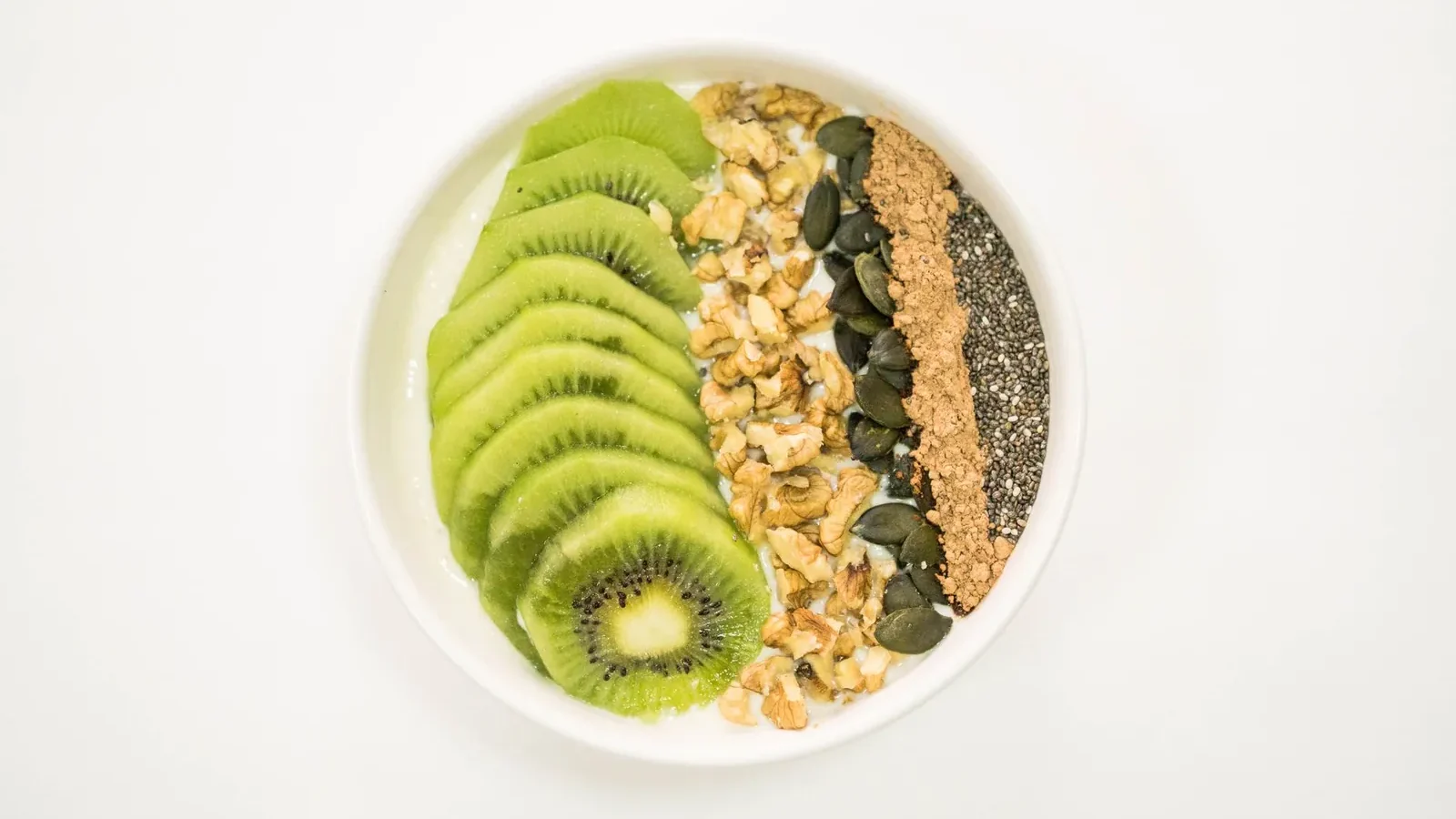
- Oatmeal with nuts and fruit
Eat carbs that you know your stomach handles well; a new food before a hard workout is a gamble.
Protein: How Much and Why
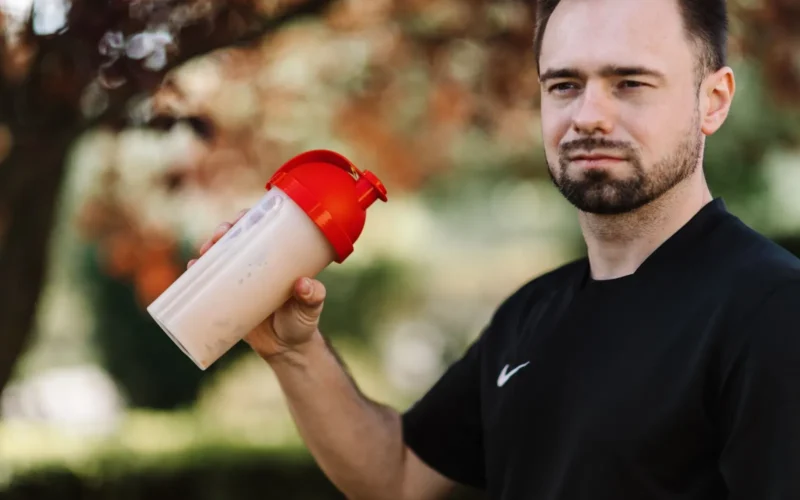
Pre-workout protein helps preserve muscle and blunts hunger mid-session. You don’t need much—5–15 grams is enough. More than that takes longer to digest and draws blood to your stomach during exercise, which is a reliable way to earn a cramp. Save the heavy protein dose for after your workout, when your body is primed to use it for repair.
Quick protein sources
- Greek yogurt (5–10 oz)
- Eggs (1–2)
- Milk (8 oz)
- Protein powder (1 scoop mixed into oatmeal or a smoothie)
- Deli turkey or chicken (2 slices)
- Cottage cheese (⅓ cup)
Hydration Before Your Workout
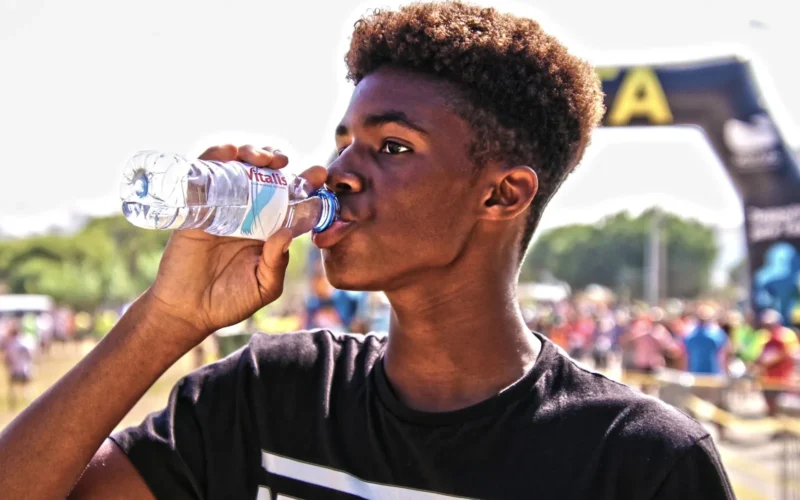
Even mild dehydration—around 2% of body weight in fluid loss—measurably drops endurance and strength output. Spread your fluid intake over the hours before training rather than chugging it all at once.
Hydration schedule
- 2–3 hours before: 16–20 oz of water or sports drink
- 20 minutes before: 8–10 oz of water
- During (if 60+ minutes): 6–8 oz every 15–20 minutes
For sessions under 60 minutes, water is fine. Longer efforts—or anything in heat—call for a drink with 4–8% carbs plus electrolytes (sodium, potassium). Sports drinks, coconut water, and diluted juice all work.

Foods to Avoid Before a Workout
These slow digestion, cause cramping, or spike blood sugar without delivering sustained energy:
- High-fat foods (fried foods, heavy sauces, fatty meats)
- High-fiber foods (beans, broccoli, whole-grain cereals—save for after)
- Spicy foods if your stomach runs sensitive
- Candy or soda alone—no protein or fat means a fast spike and a faster crash
- Alcohol (dehydrates and impairs coordination)
- Large meals less than 2 hours before training
Pre-Workout Meal Examples by Session Type
| Session Type | Timing | Example Meal | Carbs | Protein |
|---|---|---|---|---|
| Short run (30–45 min) | 30–60 min before | Banana + 1 tbsp peanut butter | 25g | 8g |
| Weight training (60 min) | 60–90 min before | Oatmeal (½ cup) + berries + Greek yogurt (5 oz) | 35g | 12g |
| Long run (90+ min) | 2–3 hours before | Toast (2 slices) + eggs (2) + orange juice (8 oz) | 60g | 18g |
| Early morning session | 30 min before | Sports drink (16 oz) + energy bar | 40g | 5g |
| Afternoon cycling (90 min) | 2 hours before | Bagel + turkey (2 slices) + banana | 70g | 15g |
Special Cases: Adjusting for Your Goals
If you’re trying to lose fat
Don’t skip pre-workout fuel. Underfueled sessions hurt performance and recovery, which slows fat loss over time. A 150–200 calorie snack 30–60 minutes before—a banana or a slice of toast with honey—lets you train harder and hold onto muscle.
If you’re building muscle
Eat a balanced meal 60–90 minutes before: 30–50 grams of carbs, 10–20 grams of protein. Then follow up with 20–30 grams of protein within 2 hours after training. The pre-workout meal primes the session; the post-workout meal drives the adaptation.
If you have a sensitive stomach
Stick to low-fiber, low-fat options: white bread, banana, rice cakes, sports drinks. Oats, beans, whole grains, and dairy are common offenders—cut them before training if they cause trouble. Test any new food during an easy session, never before a hard effort.
If you train early morning
You may not have time for a full meal. Drink 16 oz of sports drink or juice 15–30 minutes before, or eat a banana. Training completely fasted—8+ hours without food—tends to leave you weaker and slower by the back half of a session. See best carbs for athletes for more fueling strategies.
Frequently asked questions
Can I work out on an empty stomach?
Yes, but performance and recovery suffer. Fasted training (no food for 8+ hours) burns slightly more fat during the session, but you’ll feel weaker, lose muscle faster, and recover slower. For most people, a small carb snack 30 minutes before improves results without adding body fat. If you prefer fasted training, keep the session light and short.
How much should I eat before a workout?
Eat 100–400 calories depending on timing and session length. A 30-minute snack is 100–150 calories (banana, sports drink). A 60–90 minute meal is 200–300 calories. A full 2–3 hour meal is 300–500 calories. More isn’t better—excess food just sits in your stomach and causes cramping.
What if I feel nauseous during a workout?
You likely ate too much, too close to exercise, or chose high-fat or high-fiber foods. Next time, eat earlier (2–3 hours before) or choose a smaller, simpler snack. Also check hydration—dehydration is a common nausea trigger. If it persists, see a doctor.
Is coffee okay before a workout?
Yes. Caffeine in the 100–400 mg range improves focus, endurance, and strength output for most people. Drink it 30–60 minutes before exercise. Pair it with carbs—a banana or toast—to avoid a blood-sugar crash mid-session. If you’re sensitive to caffeine or have heart issues, skip it or check with your doctor first.
Should I eat before a short workout (under 45 minutes)?
A small snack helps if you haven’t eaten in 3+ hours. A banana, handful of crackers, or sports drink is enough. If you’ve had a normal meal in the last 2 hours, you can skip it. Hunger and energy levels are better guides here than a fixed rule.

Casey is a certified strength coach and trail runner who tests gear by breaking it.