This article may contain affiliate links. If you buy through them we may earn a commission at no extra cost to you.
The top protein sources for athletes are chicken breast (31g per 100g), eggs (6g each), Greek yogurt (15–20g per 170g serving), salmon (25g per 100g), and lentils (18g per cooked cup). Your daily target: 1.2–2.0g per kg bodyweight—a 75kg runner needs 90–150g. Where you land in that range depends on training volume, sport type, and whether you’re in a building or maintenance phase.
Animal-Based Protein: Highest Bioavailability
Animal proteins contain all nine essential amino acids and absorb efficiently. They’re your fastest route to muscle repair after hard sessions.
Chicken and Turkey
A 100g serving of skinless chicken breast delivers 31g protein at 165 calories with minimal fat. Cook 4–5 breasts on Sunday; they hold 4 days refrigerated. Turkey matches those numbers and adds slightly more iron. Best for: high-volume eating without excess calories. Cost: $2–4 per pound.
Beef
Lean ground beef (93/7) or sirloin gives you 25g protein per 100g, plus creatine and B12 that support strength and recovery. The trade-off: it costs $4–8 per pound versus $2–4 for chicken, so most athletes use it 2–3 times weekly rather than daily. Best for: strength athletes training 5+ days weekly.
Eggs
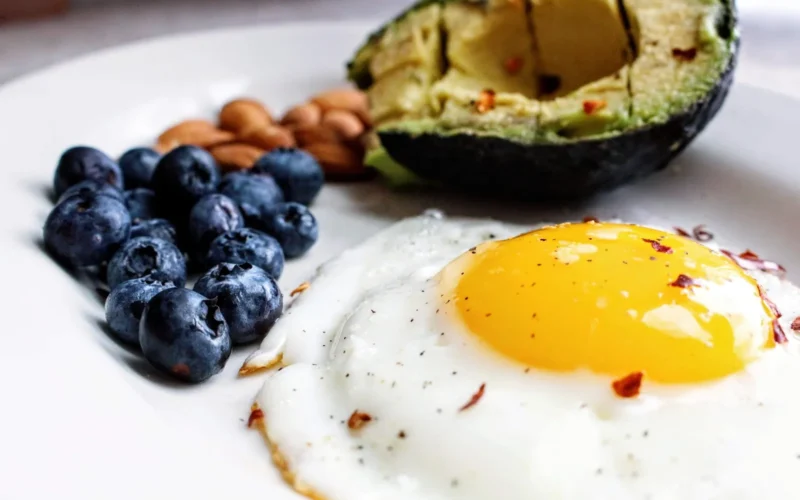
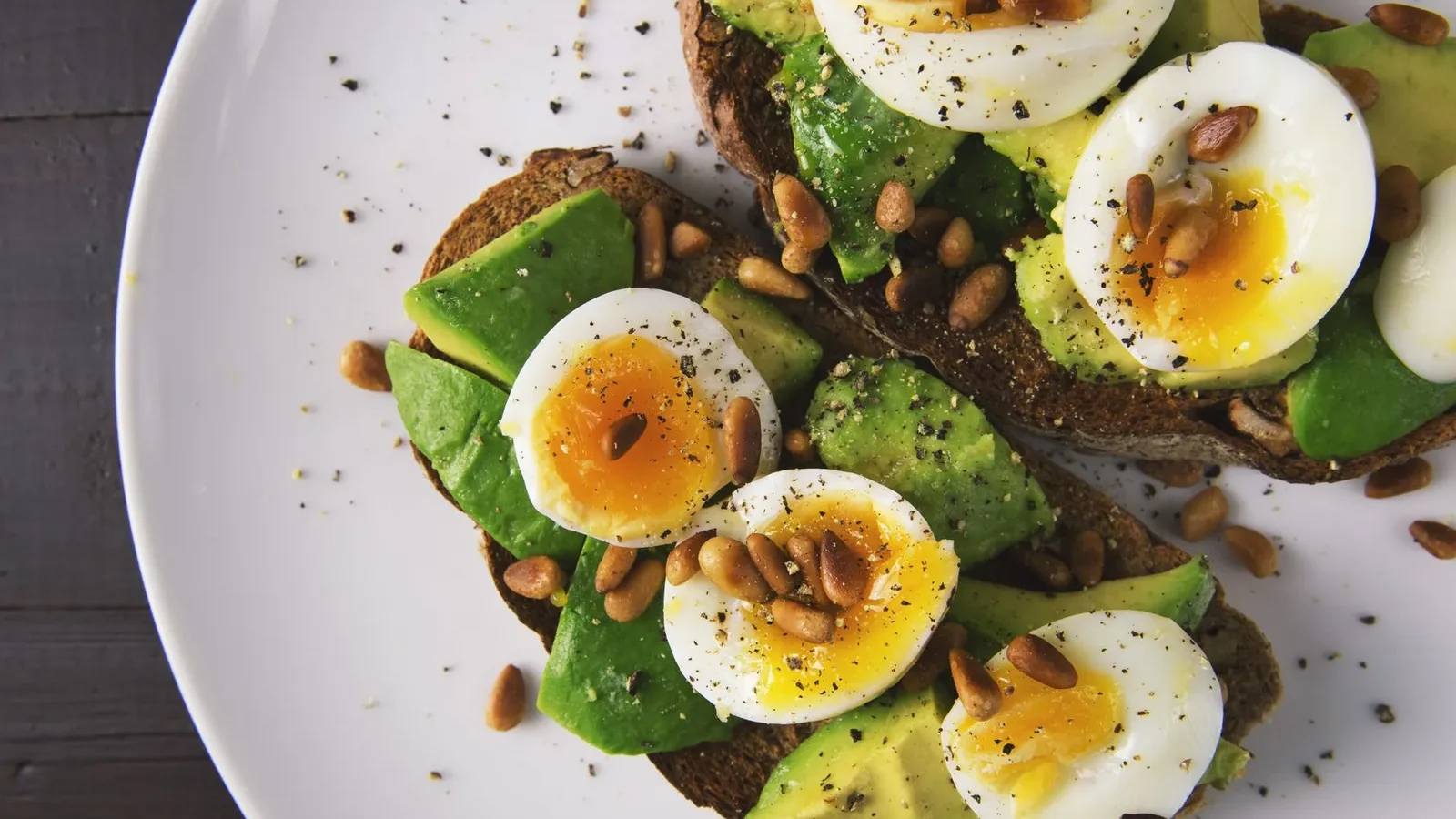
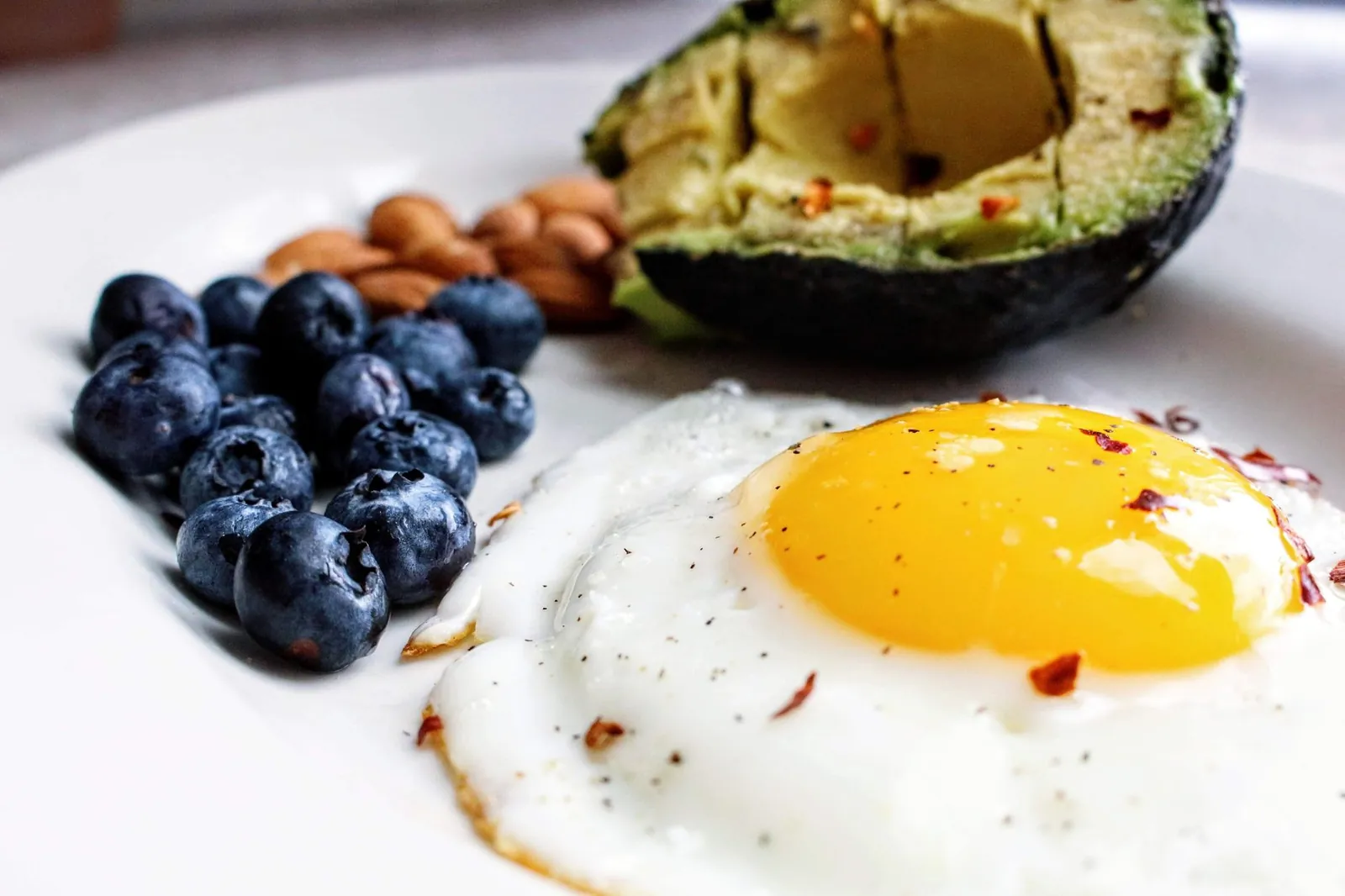
One large egg contains 6g protein and every essential amino acid. The yolk holds choline, which supports cognitive function during multi-hour training blocks. Run 2–3 whole eggs with added whites to control calories without sacrificing nutrients. Best for: breakfast, quick snacks, and budget-conscious athletes. Cost: $0.20–0.40 per egg.
Fish
Salmon delivers 25g protein per 100g plus omega-3 fatty acids shown to reduce exercise-induced inflammation. White fish like cod and tilapia offer 20g protein with near-zero fat—useful when calories are tight. Canned tuna (in water) costs $0.50–1.00 per can and stores indefinitely. Best for: reducing inflammation and adding variety. Cost: $3–12 per pound fresh; $0.50–2.00 canned.
Dairy Protein: Convenient and Affordable
Greek Yogurt
A 170g serving of plain Greek yogurt contains 15–20g protein at 100–150 calories. Add berries and granola post-workout to restore glycogen alongside protein. Best for: post-workout snacks and fast breakfasts. Cost: $0.80–2.00 per container.
Milk and Cottage Cheese
One cup of whole milk provides 8g protein plus carbohydrates that support glycogen recovery—a practical post-session drink for endurance athletes. Cottage cheese delivers 14g protein per half-cup from casein, which digests over 5–7 hours, making it the strongest case for a pre-bed protein source. Cost: $2–4 per gallon milk; $2–3 per container cottage cheese.
Whey Protein Powder
Whey isolate absorbs in 30–60 minutes. One scoop delivers 20–25g protein for $0.50–1.50—hard to beat on cost-per-gram. Mix with water post-workout for speed; add milk when you need the calories. Best for: filling gaps on busy days, not replacing meals. Cost: $15–30 per pound.
Plant-Based Protein: Complete Options Exist
Most plant proteins are low in at least one essential amino acid—leucine is the common shortfall—which slows muscle protein synthesis compared to whey at equal doses. Combining sources and eating 5–10% more total protein than animal-based athletes closes most of that gap.
Legumes: Beans and Lentils
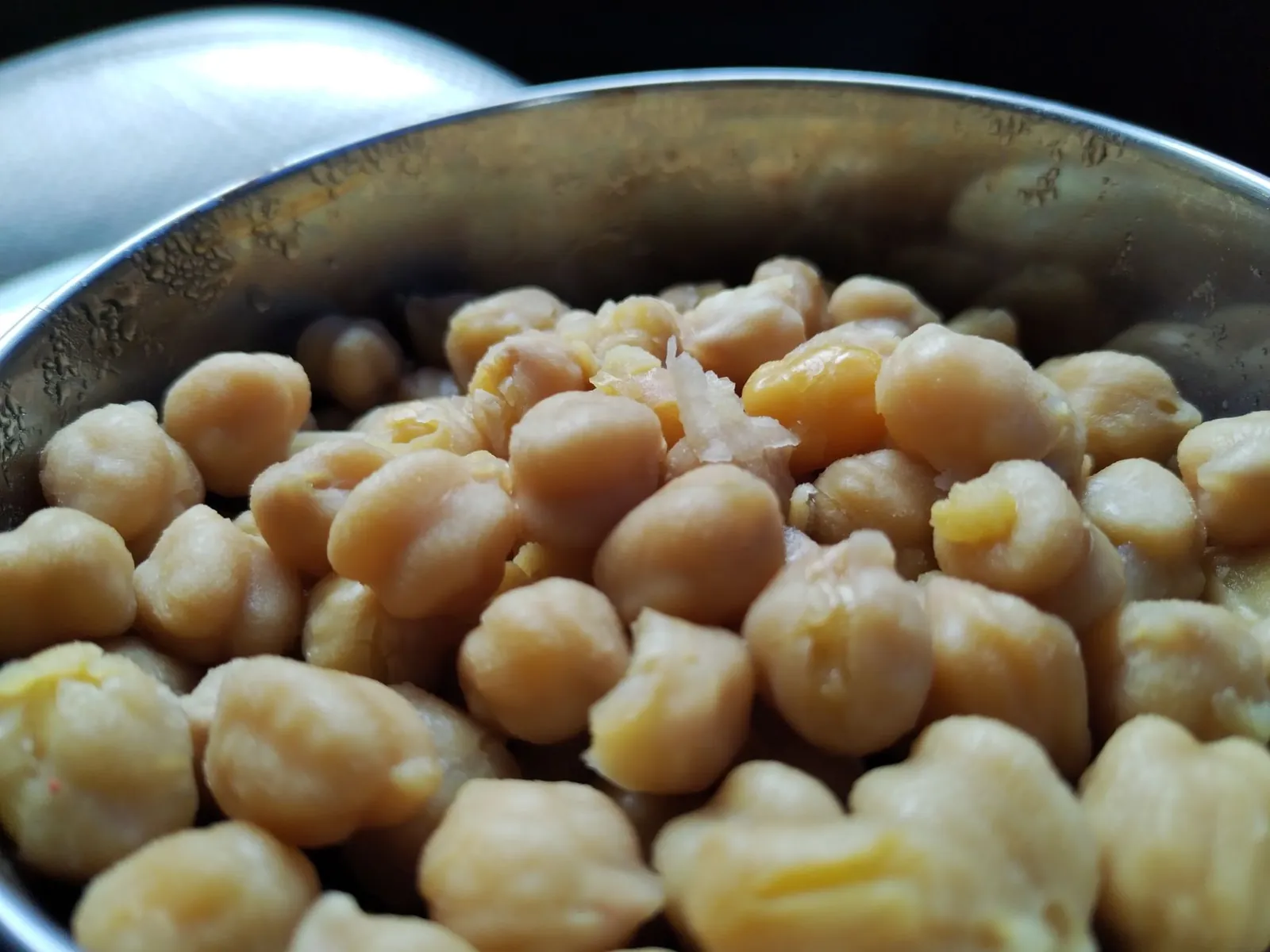
One cup of cooked lentils contains 18g protein plus 15g fiber and meaningful iron. Chickpeas and black beans offer 15g protein per cup. Pair with rice or quinoa to round out the amino acid profile. Cook in bulk and freeze in portions. Best for: vegan athletes and budget eating. Cost: $0.50–1.50 per pound dried; $1–2 per can.
Tofu and Tempeh
Firm tofu delivers 15g protein per 100g with almost no flavor on its own—season hard or marinate overnight. Tempeh (fermented soy) hits 19g per 100g and has a nuttier taste that holds up in stir-fries without marinating. Both are complete proteins, which puts them ahead of most plant sources. Best for: stir-fries and meal prep. Cost: $2–4 per block.
Nuts and Seeds
Peanut butter gives you 8g protein per 2 tablespoons but also 190 calories—useful for athletes in a calorie surplus, less so when cutting. Hemp and pumpkin seeds offer 10g protein per 3 tablespoons with omega-3s. Treat these as meal supplements, not primary protein sources. Best for: topping meals and portable snacking.
Plant-Based Protein Powder
Pea and rice powders blend well to create a complete amino acid profile; hemp powder alone is lower in lysine. Absorption is slower than whey, but studies show comparable muscle gains when total daily protein is matched. One scoop delivers 15–25g protein. Best for: vegan athletes who need convenience. Cost: $20–40 per pound.
Protein Timing and Amount
Total daily intake matters more than timing. That said, spacing protein across 3–4 meals of 25–40g each maximizes muscle protein synthesis better than eating the same total in one or two sittings. After training, aim for 30g within 2 hours. If you trained fasted, tighten that to 30–60 minutes. If you ate a full meal 2 hours before your session, a 3-hour post-workout window won’t cost you gains.
See our guide on how much protein you need daily for targets broken down by sport and bodyweight.
Whole foods beat supplements for micronutrients, but convenience sometimes wins—use powder to hit your target, not replace real food.
Comparison: Best Sources by Priority
| Source | Protein per 100g | Cost per Serving | Absorption Speed | Best For |
|---|---|---|---|---|
| Chicken Breast | 31g | $0.75–1.50 | Fast | High volume, low cost |
| Eggs | 13g (whole egg) | $0.25–0.40 | Fast | Breakfast, versatility |
| Greek Yogurt | 11g (per 100g) | $0.50–1.20 | Fast | Post-workout snack |
| Whey Powder | 20–25g (per scoop) | $0.50–1.50 | Very Fast | Convenience, speed |
| Lentils | 9g (per 100g) | $0.30–0.75 | Slow | Vegan, budget |
| Salmon | 25g | $2.00–4.00 | Fast | Anti-inflammation |
Our Verdict
Build your diet around chicken, eggs, and Greek yogurt for cost and reliability. Add beef or salmon 2–3 times weekly for creatine, B12, and omega-3s. Vegan athletes: combine legumes with grains at most meals and use a pea-rice blend powder for convenience. Whey fills gaps—one scoop daily is a tool; three scoops is a sign you’re skipping real meals. Read our nutrition for muscle recovery guide to pair protein with carbs and fats for complete recovery.
Frequently Asked Questions
How much protein do I need if I train 5 days a week?
Multiply your bodyweight in kilograms by 1.6–2.0g. A 70kg athlete needs 112–140g daily. Spread that across 3–4 meals (28–47g per meal). If you’re doing heavy strength work, aim toward 2.0g/kg. Endurance athletes doing moderate volume can stay closer to 1.6g/kg.
Can I build muscle on plant-based protein alone?
Yes, but you need higher total volume and must combine incomplete sources. Pair legumes with grains, use a blended plant powder, and eat 5–10% more total protein than you would on an animal-based diet to compensate for lower leucine content and slower absorption. Consistency across weeks matters more than any single meal.
Is protein powder necessary?
No. Whole foods provide micronutrients powder lacks. Use powder to fill gaps when you’re short on time, not as your primary source. One scoop daily is practical; three scoops signals you’re skipping real meals and shortchanging vitamins, minerals, and fiber.
Does timing matter—should I eat protein immediately after training?
Within 2 hours is the practical target. Your total daily intake and overall calorie balance matter far more than hitting a precise window. If you trained fasted, eat within 30–60 minutes. If you had a full meal 2 hours before your session, waiting 3 hours post-workout won’t meaningfully affect recovery.
What if I have a dairy allergy?
Drop Greek yogurt, milk, cottage cheese, and whey powder. Swap in coconut or soy yogurt (check labels—protein varies from 2–10g per serving). Use a pea or rice protein powder instead of whey. Lean harder on chicken, eggs, fish, legumes, and tofu to hit your daily target without dairy.

Marcus is a cycling coach and hiker who plans routes down to the water stops.