
This article may contain affiliate links. If you buy through them we may earn a commission at no extra cost to you.
Most running injuries don’t ambush you—they accumulate over weeks of stacking too many miles on weak stabilizers with too little recovery. Fix your mileage progression, strengthen your hips and glutes, and recover properly between efforts, and you eliminate the root cause of the most common problems: shin splints, IT band syndrome, runner’s knee, and stress fractures.
Build Mileage Gradually Using the 10% Rule
Your cardiovascular system adapts to new training load in days. Your bones, tendons, and ligaments take weeks. Jump from 15 miles to 25 miles in one week and you’re loading connective tissue that isn’t ready—stress fractures and tendinitis follow.
Cap weekly mileage increases at 10%. Running 20 miles this week? Next week’s ceiling is 22. Every 3–4 weeks, drop back 10–20% to let your body consolidate adaptations before the next build.
How to Track It
- Log weekly totals in Strava, Nike Run Club, or Garmin Connect—don’t estimate.
- Plan 12 weeks ahead; reacting week-to-week is how mileage spikes happen.
- Schedule one cutback week per month at roughly 80% of that month’s peak.
Returning from illness, travel, or injury? Restart at 50% of your previous peak and rebuild over 4–6 weeks, not 2.
Choose Shoes That Match Your Gait and Terrain
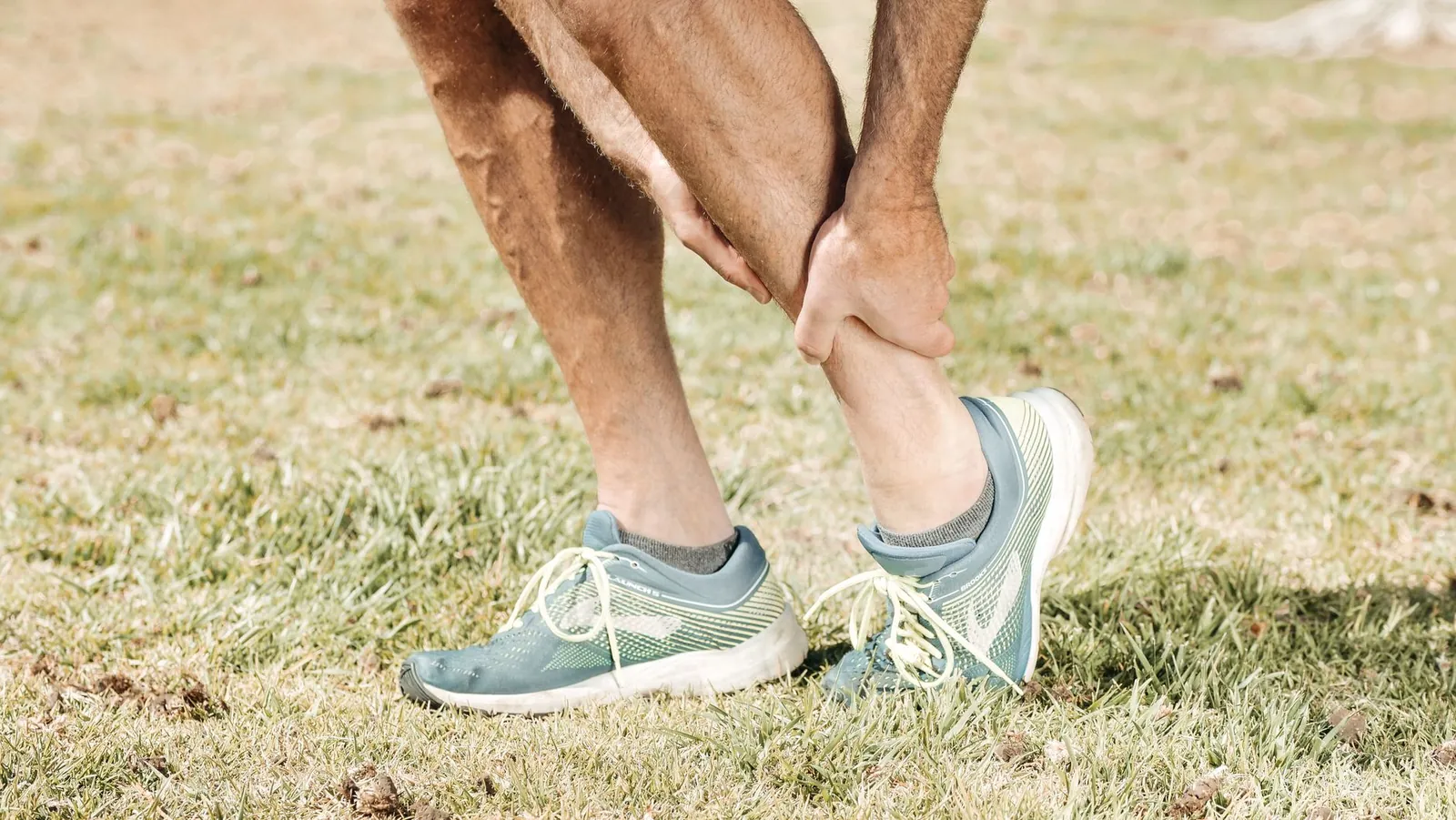
A neutral runner in a motion-control shoe develops hip pain. An overpronator in a neutral shoe risks shin splints. The shoe category matters as much as the brand.
Get a gait analysis at a specialty running store—REI, Fleet Feet, and most independent running shops offer it free or for $20–50. They’ll watch you run and identify your pronation pattern:
- Neutral pronation: Foot rolls inward 10–15% after landing. Neutral or cushioned shoes work best.
- Overpronation: Foot rolls inward excessively. Stability or motion-control shoes reduce knee and shin stress.
- Underpronation (supination): Foot stays on the outside edge. Cushioned neutral shoes with soft midsoles help absorb impact.
Replace shoes every 300–500 miles—track this in your running app. Worn-out midsoles stop absorbing shock long before the upper looks damaged.
For detailed guidance on selecting the right pair, see our full guide on how to choose the right running shoes.
Strengthen Your Hips, Glutes, and Core 2–3 Times Per Week
Weak glutes are the single most common structural contributor to runner’s knee, IT band syndrome, and lower-back pain. When your glutes can’t stabilize your pelvis through each stride, your knee caves inward and your hip rotates excessively—that torque adds up over thousands of steps.
No gym required. Do these on easy run days or rest days: 3 sets of 12–15 reps per exercise, or 45–60 seconds per side for holds.
Essential Exercises
- Single-leg glute bridges: Lie on your back, one foot flat, drive through your heel to lift your hips. Targets glute activation imbalances between sides.
- Clamshells: Lie on your side, knees bent, open your top knee while keeping feet together. Strengthens hip abductors.
- Lateral band walks: Loop a resistance band just above your knees, step sideways 10–15 steps each direction. Directly activates glute medius.
- Planks and side planks: Hold 45–60 seconds. Reduces spinal stress and lateral hip sway.
- Single-leg deadlifts: Stand on one leg, hinge at the hip to touch the floor. Builds posterior chain stability and balance simultaneously.
If you run Tuesday, Thursday, and Saturday, do strength work Monday, Wednesday, and Friday. That separation lets your nervous system recover from hard efforts before the next run.
Run with Good Form to Reduce Impact Stress
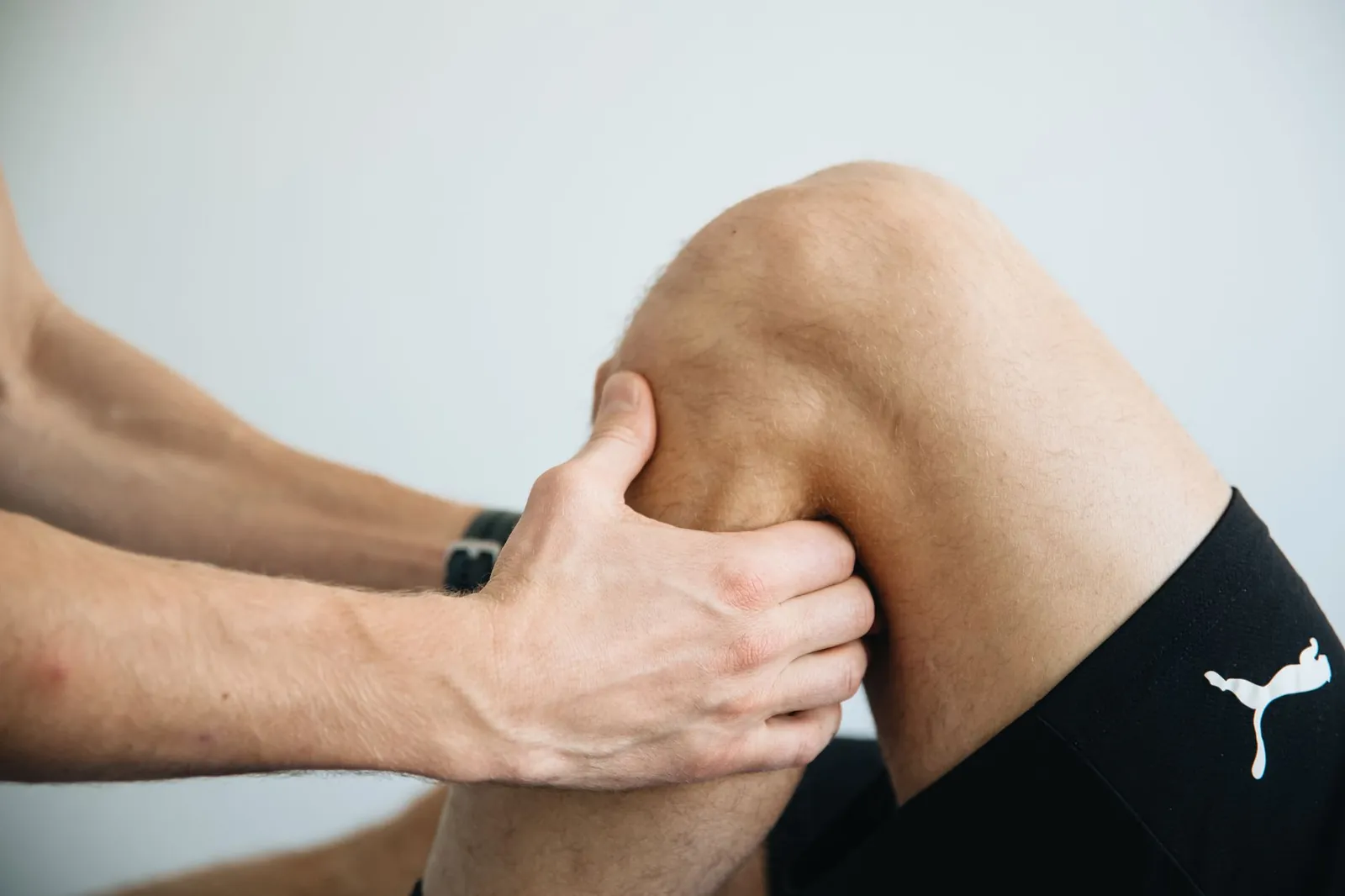
Three form mistakes drive most overuse injuries: overstriding (foot landing far in front of your body), heel striking with a locked knee, and excessive vertical bounce. Each one multiplies ground reaction force through your joints.
Form Checklist
- Cadence: Target 170–180 steps per minute. Use a metronome app or running watch. Higher cadence shortens your stride and cuts impact.
- Foot strike: Land directly under your hip, not ahead of it. Your foot should be below your center of mass at touchdown.
- Knee angle: Slight bend when your foot lands—never locked straight. A bent knee acts as a shock absorber.
- Posture: Lean forward from your ankles, not your waist. Chest up, shoulders loose.
- Arm swing: Elbows at 90 degrees, swinging forward and back—not across your body. Cross-body arm swing rotates your torso and wastes energy.
Film yourself on a treadmill from the side and front, or have a running coach watch one 20-minute easy run. One session of feedback prevents months of compounding damage.
Prioritize Recovery and Active Rest Days
Muscle and bone adapt during rest, not during the run itself. Stacking hard efforts without recovery days doesn’t build fitness faster—it builds injury risk.
Recovery Essentials
- Easy runs: Keep 50–60% of weekly mileage at conversational pace—full sentences, no gasping. This builds aerobic base without accumulating structural stress.
- Rest days: Take 1–2 complete rest days per week, or swap in 20–30 minutes of walking, swimming, or yoga.
- Sleep: 7–9 hours is when your body repairs muscle and bone micro-damage. Chronic under-sleeping measurably slows tendon recovery.
- Post-run nutrition: 20–30g of protein and a carbohydrate source within 30–60 minutes of hard efforts accelerates muscle repair.
- Hydration: Weigh yourself before and after runs; drink 16–20 oz per pound lost.
Learn more about optimizing your recovery routine in our article on recovery between workouts explained.
You don’t get stronger during the run—you get stronger when you rest, so treat recovery like training.
Listen to Early Warning Signs and Adjust Immediately
Muscle soreness is diffuse, bilateral, and fades within 48 hours. Injury pain is sharp, one-sided, and worsens over consecutive runs. Knowing the difference is the fastest way to stay healthy long-term.
When to Back Off
- Sharp pain mid-run: Stop. Don’t negotiate with it.
- Pain that worsens over 3 consecutive runs: Take 3–5 days off; switch to walking or swimming to maintain fitness.
- Altered gait: If you’re limping or favoring one leg, stop running until it resolves—compensating creates secondary injuries.
- Swelling or visible bruising: Ice 15 minutes, 3–4 times daily. Skip running for 5–7 days minimum.
Returning after time off: 1 week out means restart at 50% of pre-injury mileage, building 10% per week. Two or more weeks out means restart at 30% and rebuild over 4–6 weeks.
Vary Your Terrain and Routes
Running the same pavement loop daily loads the same muscles and joints at the same angles, every stride. Rotating surfaces distributes impact and recruits stabilizers that road running ignores.
- Road (pavement): Highest impact. Best for speed work and race-specific training—not your default surface every day.
- Trail: Uneven ground activates hip stabilizers and improves proprioception. Softer than road, which reduces cumulative joint load.
- Track: Consistent surface, good for tempo runs and intervals. Banked curves can stress the outside leg if you always run the same direction—alternate.
- Grass or dirt: Softest option. Ideal for easy runs and recovery days.
Target 30–40% of weekly mileage on soft surfaces. Your tendons and bones will thank you after month two.
Frequently Asked Questions
How long does it take to prevent injuries if I start now?
Most runners notice reduced soreness and fewer warning signs within 4 weeks of consistent strength work, controlled mileage, and proper recovery. Structural adaptations—stronger tendons and denser bones—take 8–12 weeks. Start the habits now; the tissue catches up.
Can I run every day without getting injured?
Most recreational runners shouldn’t. Elite athletes run 6 days a week, but they alternate hard and easy efforts under coach supervision with years of base fitness behind them. Running 3–5 days per week with 1–2 full rest days is the safer range for most people. Daily running increases injury risk by 30–50% without that base.
Does stretching prevent injuries?
Static stretching (30-second holds) after runs helps maintain range of motion but doesn’t prevent injuries on its own. Strength training and controlled mileage progression are more effective. Before runs, spend 5–10 minutes on dynamic work—leg swings, walking lunges—to warm up muscle tissue before load.
What’s the best way to cross-train and prevent injuries?
Cycling, swimming, and the elliptical maintain aerobic fitness while giving running-specific tissues a break. Aim for 20–30 minutes at conversational pace, 1–2 times per week on easy days. This reduces cumulative running stress without sacrificing the aerobic gains you’ve built.
Should I wear compression gear to prevent injuries?
Compression sleeves and socks may reduce post-run soreness slightly, but there’s no strong evidence they prevent injuries. They’re a comfort tool, not a prevention tool. If budget is limited, prioritize well-fitted shoes and resistance bands for strength work—both have a direct impact on injury risk.

Marcus is a cycling coach and hiker who plans routes down to the water stops.