This article may contain affiliate links. If you buy through them we may earn a commission at no extra cost to you.
If you’re short on space or budget, adjustable dumbbells win. If you train heavy, move fast between sets, and have a garage or basement, fixed weights are the cleaner choice. Here’s the full breakdown so you can stop second-guessing.
Cost
A quality adjustable set covering 5–52 lbs runs $300–$600 and replaces 10–15 fixed pairs. That same weight range in fixed dumbbells costs $800–$1,500 before you add a rack. Adjustables are the cheaper entry point by $200–$900 depending on how many weights you’d otherwise buy.
The math flips if you already own several fixed pairs and only need to fill gaps. Adding three pairs of fixed dumbbells at $1.50–$2.50 per lb costs far less than a new adjustable set. Price per pound, not sticker price, is what matters.
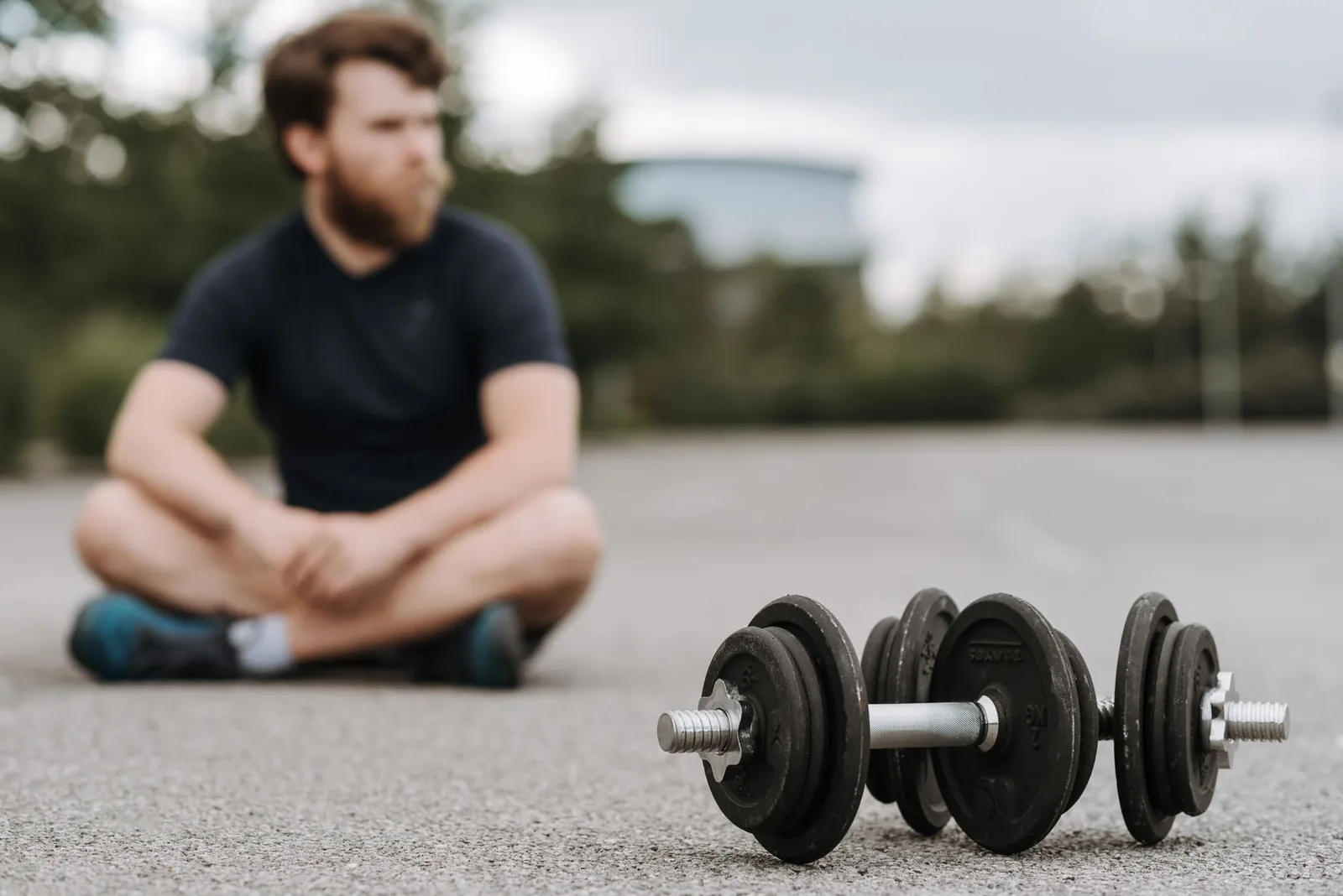
Space and storage
A 5–52 lb adjustable set occupies roughly 2–3 square feet—about the footprint of a carry-on suitcase. The same range in fixed dumbbells needs a rack 60 inches wide, 18 inches deep, and 52 inches tall. That’s a dedicated wall in most rooms.
Apartment lifters and anyone without a dedicated gym room should lean adjustable. If you have a garage or basement and plan to expand past 52 lbs anyway, the rack isn’t a dealbreaker.
Speed and workflow
Adjustable dumbbells
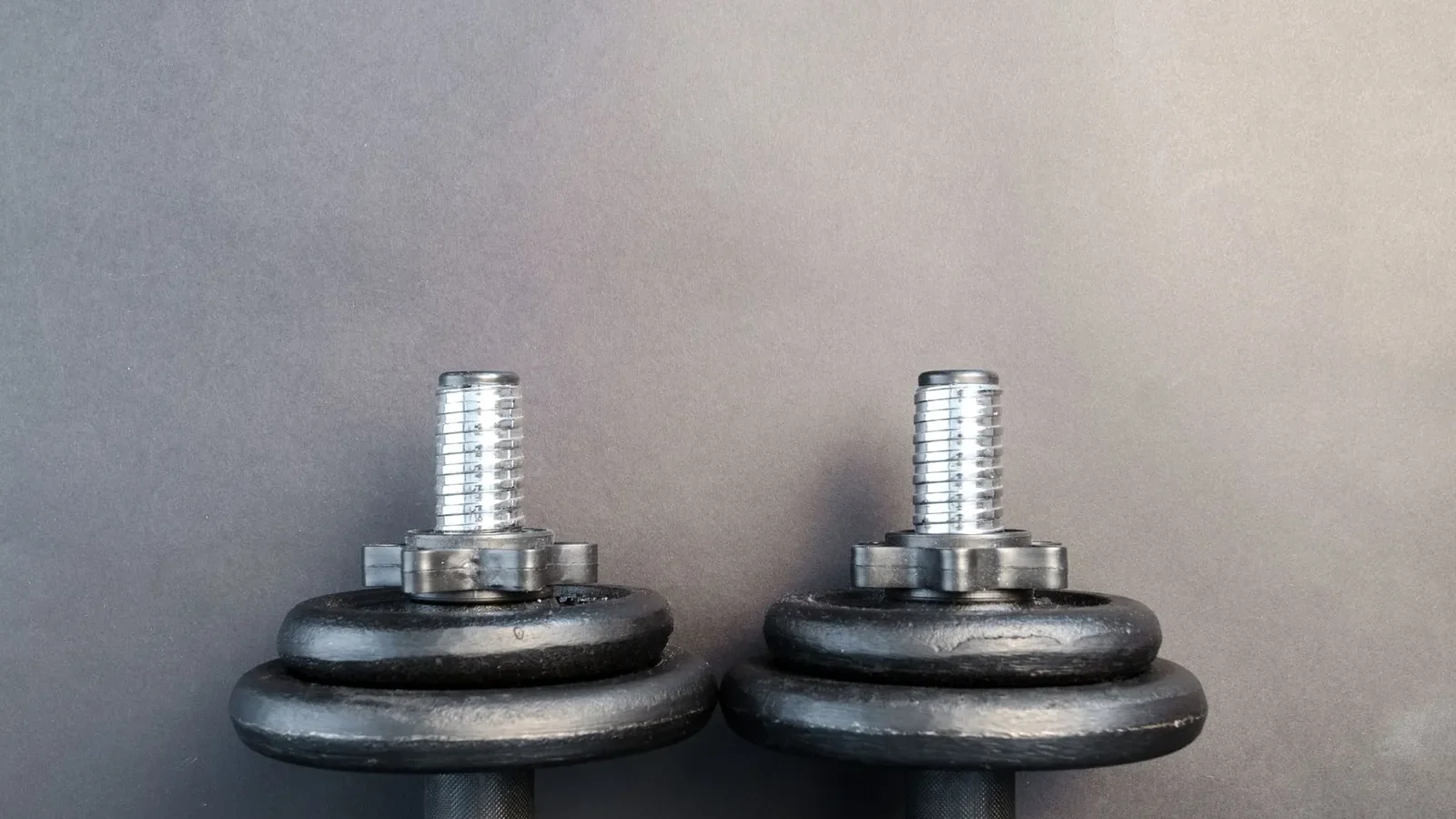
Changing weight takes 5–15 seconds depending on the mechanism: dial-style (Bowflex SelectTech), pin-selector (PowerBlock), or magnetic (newer systems like MantisX). In a 10-exercise session with three weight changes per exercise, that’s 5–10 minutes of dead time. For supersets or giant sets, the interruption breaks rhythm.
Fixed weights
Grabbing a different pair takes 2–3 seconds. No pins, no dials. If you run high-volume workouts with frequent weight jumps, fixed weights keep your rest periods honest and your session moving.
Adjustables suit steady-state lifters; fixed weights favor high-volume, rapid-fire training.
Durability and reliability
Fixed dumbbells are metal, rubber or vinyl coating, and nothing else. Drop them, bang them, leave them in a cold garage—they survive. Expect 20-plus years with zero maintenance.
Adjustables have moving parts: springs, pins, or magnetic mechanisms that wear over time. Most quality sets last 10–15 years under normal use, but a broken pin or stripped dial renders the whole unit unusable until repaired. Check the warranty before buying—reputable brands (Bowflex, PowerBlock, NüoBell) offer 2–5 years on parts. Inspect the mechanism before any heavy set; don’t trust a dial you haven’t tested that day.
Training feel and performance
Fixed dumbbells feel the same every session: symmetrical weight, consistent grip, no mechanical play. You press a 40 lb dumbbell and it behaves exactly like it did last Tuesday.
Adjustables vary by design. Dial-style models shift weight distribution slightly as you change loads—the plates stack differently at 20 lbs than at 50 lbs. Pin-selector designs are more compact but can feel blocky in your hands. Magnetic systems sit closest to fixed-weight balance. For general strength training, the difference is negligible. For bodybuilding movements where wrist angle and grip width matter—like a neutral-grip press or a hammer curl—fixed weights have a small, real edge.
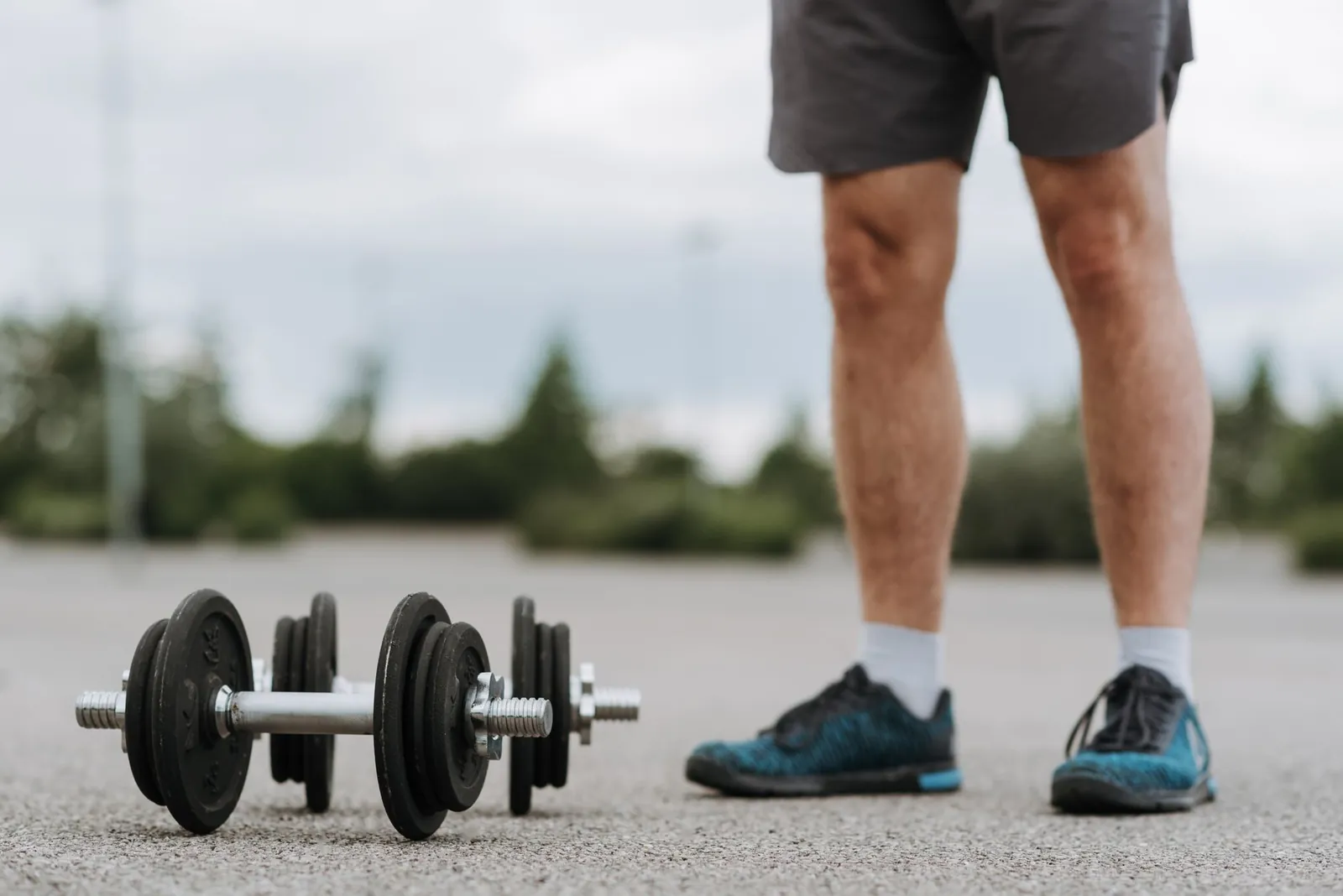
Injury risk
Fixed weights carry minimal mechanical risk. You know the balance and grip every time. Dropping them can crack a floor but won’t surprise your wrist mid-rep.
Adjustables carry a slightly higher risk tied to mechanism failure. A loose pin or partially engaged dial can shift weight mid-set and throw off your lift. This isn’t common with quality brands, but it happens—especially on older or heavily used units. Avoid max-effort singles on adjustables until you’ve tested the mechanism at that weight. Neither type is inherently dangerous if maintained, but fixed weights require zero mechanical trust.
Best use cases
Choose adjustables if:
- You train in an apartment or room under 150 sq ft.
- Your workouts span multiple rep ranges (3–5, 8–12, 15–20) in one session.
- You want a full 5–52 lb range for under $600.
- You’re new to lifting and unsure which weights you’ll actually use.
- You move or travel frequently and need portable gear.
Choose fixed weights if:
- You have a garage, basement, or dedicated gym room.
- You train primarily in the 3–8 rep range and need fast transitions.
- You want equipment that outlasts a 15-year mortgage.
- You already own several pairs and want to expand incrementally.
- Mechanical failure risk—however small—isn’t acceptable to you.
A practical middle ground: start with adjustables, then add two or three fixed pairs at your most-used weights (typically 25, 35, and 45 lbs for most intermediate lifters). You get speed where it counts without buying a full rack.
Comparison table
| Factor | Adjustable Dumbbells | Fixed Weights |
|---|---|---|
| Upfront cost | $300–$600 (5–52 lbs) | $800–$1,500 (5–52 lbs) |
| Space needed | 2–3 sq ft | 6–8 sq ft plus rack |
| Weight change time | 5–15 seconds | 2–3 seconds |
| Lifespan | 10–15 years | 20+ years |
| Feel & balance | Varies by design | Consistent |
| Mechanical failure risk | Low–moderate | None |
| Best for | Small spaces, varied rep ranges | Strength focus, speed, longevity |
Our verdict
For most home gym starters, adjustable dumbbells deliver better value: lower cost, minimal footprint, and enough range for 90% of training needs. If you have dedicated space, train heavy, and want equipment that outlasts every other piece of gear you own, fixed weights are the simpler and more durable call. See our guide to best adjustable dumbbells for home to compare top models, or explore best home gym equipment for beginners if you’re building from scratch.
Frequently asked questions
Can adjustable dumbbells handle heavy lifting?
Yes. Most quality adjustables top out at 50–90 lbs per hand—enough for compound lifts and heavy accessory work. The limiting factor is usually your strength, not the equipment. Inspect the mechanism before max-effort singles, especially on older models.
How much floor space do I really need for fixed weights?
A standard dumbbell rack for 5–52 lbs (10 pairs) runs roughly 60 inches wide, 18 inches deep, and 52 inches tall. Shelf-style storage can cut width to 36–48 inches but requires ceiling clearance. Measure before you order—racks are heavy and returns are a hassle.
Do adjustable dumbbells wear out faster if I change weight constantly?
Frequent adjustments do add wear, but quality models are built for it. Pin-selector and dial systems hold up better under heavy adjustment cycles than magnetic systems. Expect 10–15 years of regular use before needing repair or replacement.
Which is better for building muscle?
Both build muscle equally well if you lift the same load for the same reps. Adjustables make it easier to hit multiple rep ranges in one session, which supports hypertrophy work. Fixed weights make you commit to a weight and grab it fast, which suits strength-focused programming. Use whichever you’ll actually train with consistently—that’s the variable that matters most.
Can I mix adjustable and fixed weights in my home gym?
Yes, and it’s a smart approach. Use adjustables for accessory work and lighter sets; grab fixed weights for main lifts where speed and feel matter. Start with adjustables, then add fixed pairs at your two or three most-used weights as your budget allows.

Marcus is a cycling coach and hiker who plans routes down to the water stops.