This article may contain affiliate links. If you buy through them we may earn a commission at no extra cost to you.
Five pieces of gear cover 90% of what you need for your first camping trips: a 3-season tent, a sleeping bag rated for your climate, a sleeping pad, a 40–50 liter pack, and a headlamp. Total cost for reliable entry-level versions: $500–$750. Everything else is optional until you know what you actually use.
The Tent: Your Non-Negotiable Foundation
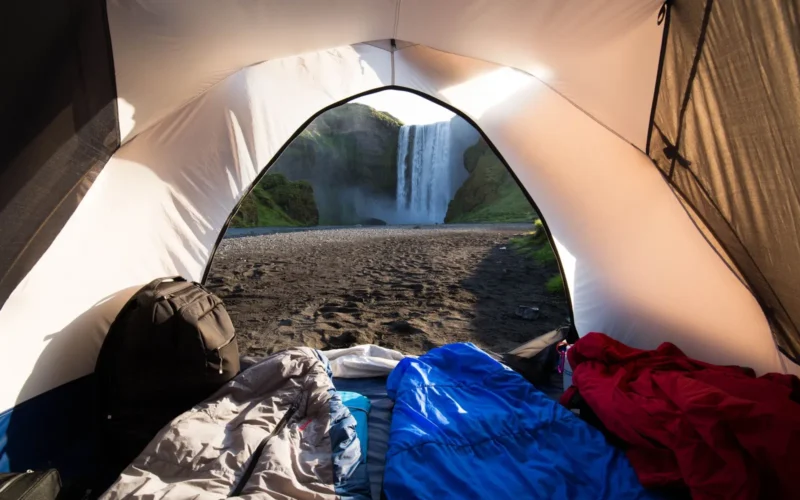
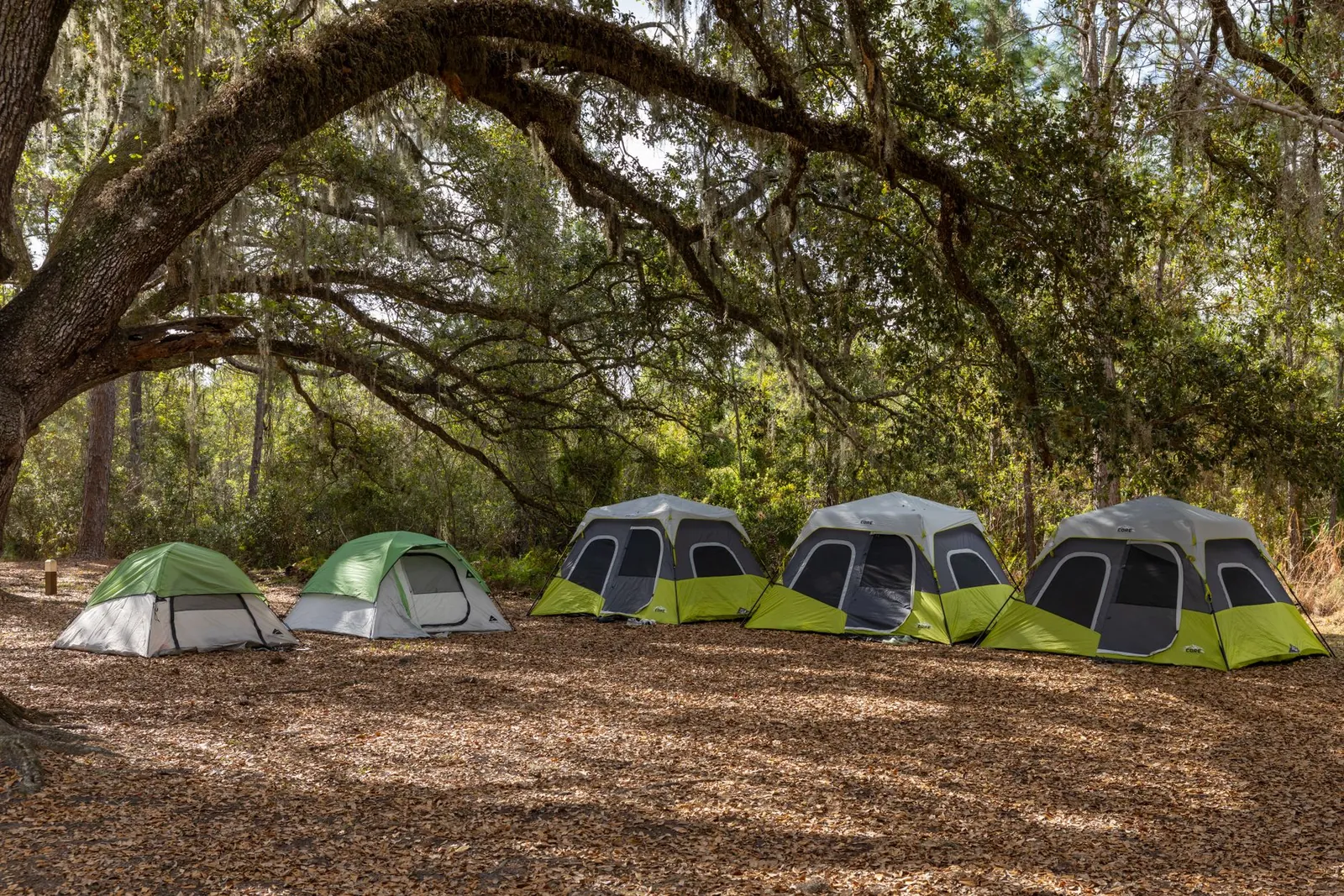
For beginners, a 3-season freestanding tent is the right call—it handles spring through fall camping, pitches without stakes, and costs $80–$300. Aim for a floor footprint of 40–50 square feet per person. Two features matter more than price: a bathtub floor (seams that extend 6–8 inches up the sides to block ground water) and mesh panels that reduce condensation overnight.
What to prioritize
- Freestanding design: Pitches on rock, sand, or hard dirt without stakes. Saves real stress on unfamiliar terrain.
- Bathtub floor: Seams 6–8 inches up the sides keep pooling water out.
- Good ventilation: Mesh inner panels cut condensation and keep temperatures livable.
- Weight under 5 lbs: Light enough to carry on short hikes, durable enough to last 3–5 seasons.
Best for beginners
Kelty Wireless 4 (6.5 lbs, $250–$300): Sets up in 3–4 minutes, fits two people with gear or four in a squeeze. Solid ventilation and a price that doesn’t sting if camping turns out not to be your thing. Best for: groups or families.
Coleman Sundome 2 (4.5 lbs, $80–$120): Not the lightest, but it’s been reliable for decades. Best for: car camping or short hikes where you’re not carrying it far.
Sleeping Bag: Match It to Your Climate
A sleeping bag’s temperature rating is the lowest temperature where you’ll stay warm—not comfortable, just warm. Buy one rated 10–15°F lower than the coldest nights you expect. A 40°F bag works for summer; spring and fall demand 20°F or lower. Nights in the mountains can drop 30°F below the daytime high even in July.
Fill types explained
- Down: Lighter, more compressible, lasts longer with care. Loses insulation when wet. $200–$400.
- Synthetic: Heavier and bulkier, but insulates even when damp and survives a washing machine. $80–$200. The better choice for beginners.
Go synthetic for your first bag. It’s forgiving if it gets wet—and it will—and you’ll save $150 or more. See our complete sleeping bag guide for detail on shape, size, and draft collars.
Best for beginners
Coleman North Rim Synthetic 20°F (3.5 lbs, $60–$90): Rated for shoulder season, easy to wash, and cheap enough to replace without regret. Best for: first-timers testing the hobby.
Kelty Cosmic 20 Down (1.5 lbs, $180–$220): Cuts 2 lbs and packs half the size of the Coleman. Worth the extra spend if you plan to backpack. Best for: beginners ready to invest slightly longer-term.
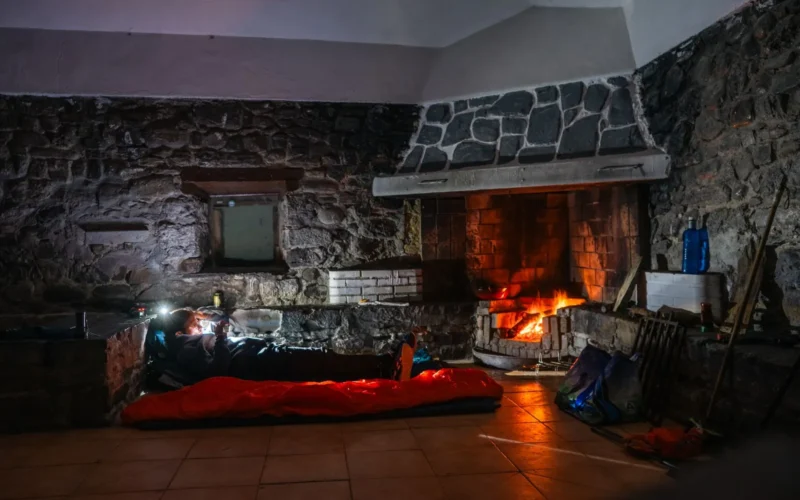
A sleeping pad is as important as your sleeping bag—it insulates you from the cold ground and makes the night genuinely comfortable.
Sleeping Pad: The Comfort Game-Changer
Ground temperature runs 20–30°F colder than air temperature. Without a pad, your sleeping bag loses half its insulating value on the side pressed against the ground. Beginners skip this and regret it within 2 hours. Three options:
- Foam: 4–6 oz, $15–$40, nearly indestructible. Doesn’t compress small. Best for car camping.
- Self-inflating: Foam core that expands when you open a valve. Packs to 3–4 liters, R-value 2–4. $40–$120. The most versatile beginner choice.
- Inflatable (air only): Lightest at 3–5 oz, packs to 1–2 liters, but punctures happen. $80–$300. Better suited once you have a few trips under your belt.
Best for beginners
Decathlon Quechua Arpenaz 50 ($30–$50): Self-inflating, 50 mm thick, R-value 2.5—solid for summer and fall. Packs to a 6-inch cylinder, no pump required.
Therm-a-Rest Z Lite Sol (4 oz, $40–$60): Closed-cell foam, rolls to 20 inches, works in any temperature. Best for: minimalists or anyone who wants zero puncture risk.
Backpack: Carry Your Gear Comfortably
For overnight trips, a 40–50 liter pack is the right size. Car camping? A 20–30 liter day pack works fine—you’re not carrying it far. The single feature that separates a camping pack from a regular backpack: a padded hip belt that shifts 60–70% of the load onto your hips instead of your shoulders. Without it, a loaded pack causes neck and shoulder pain within an hour.
Best for beginners
Osprey Rook 65 (65L, 4.1 lbs, $180–$220): Excellent hip belt, lifetime repair guarantee, and comfortable for multi-day trips. Best for: serious backpacking from the start.
Decathlon Quechua NH 50 (50L, 1.4 kg, $50–$80): Simple, light, and functional. Best for: budget-conscious first-timers who aren’t sure how far they’ll push it.
Gregory Zulu 40 (40L, 2.2 lbs, $140–$180): Nimble and well-ventilated. Best for: solo overnight trips where you’re moving fast.
Cooking and Food: Keep It Simple
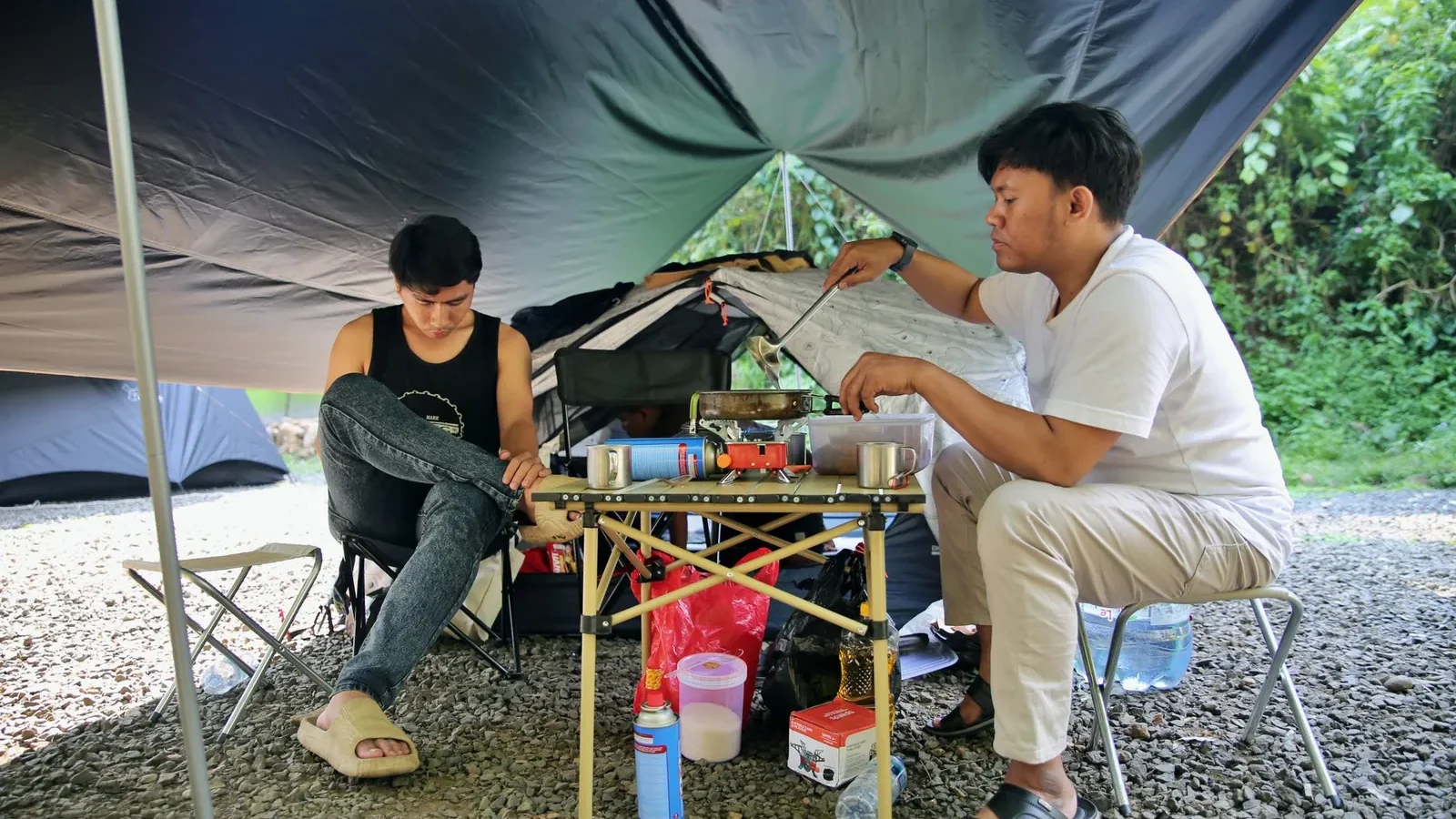
A canister stove, one pot, and a utensil set will feed you on any beginner trip. Plan meals before you leave and measure portions—most beginners overpack food by 30–40% and end up carrying the weight back out.
- Jetboil Flash ($100–$140): Integrated stove and pot, boils 500 ml in 100 seconds. Compact and nearly foolproof.
- MSR PocketRocket 2 ($30–$50): Ultralight, pairs with any pot you already own. Best for: minimalists or anyone with a pot at home.
- Aluminum mess kit ($15–$30): Pot, pan, and utensils in one package. No frills, works everywhere.
Other Essentials You’ll Actually Use
Headlamp
A 100-lumen headlamp frees your hands for cooking, setting up camp, and navigating at night. Black Diamond Cosmo or Petzl Tikkina both run $20–$40. Bring one set of spare batteries.
Water
Carry 2–3 liters per person per day. A hydration bladder ($15–$30) or two 1-liter hard-sided bottles both work. If your campsite lacks potable water, add a Sawyer Squeeze filter ($30–$40).
Fire starter
Waterproof matches plus a lighter plus a small fire-starter kit runs $10–$20. Even if you use a stove for cooking, a campfire is worth having—and conditions change.
First aid and repair
Blister treatment, pain reliever, bandages, and a multi-tool weigh 6–8 oz combined. Leatherman Signal ($80–$100) handles gear repairs; Victorinox Huntsman ($25–$35) covers most camp tasks at lower cost.
Navigation
A paper map and compass ($5–$15) work anywhere without batteries. A GPS watch ($150–$400) adds convenience but isn’t necessary for your first trips. Know your route before you leave the trailhead—cell service is unreliable in most camping areas.
Comparison Table: Beginner Tent and Sleeping Bag Picks
| Gear | Model | Weight | Price | Best for |
|---|---|---|---|---|
| Tent | Kelty Wireless 4 | 6.5 lbs | $250–$300 | 2–4 people, all-rounder |
| Tent | Coleman Sundome 2 | 4.5 lbs | $80–$120 | Budget car camping |
| Sleeping Bag | Coleman North Rim 20°F | 3.5 lbs | $60–$90 | Spring–fall, synthetic |
| Sleeping Bag | Kelty Cosmic 20 Down | 1.5 lbs | $180–$220 | Lightweight, long-term investment |
| Sleeping Pad | Decathlon Quechua Arpenaz 50 | 1.2 kg | $30–$50 | Self-inflating, versatile |
| Sleeping Pad | Therm-a-Rest Z Lite Sol | 4 oz | $40–$60 | Ultralight, indestructible |
Our verdict
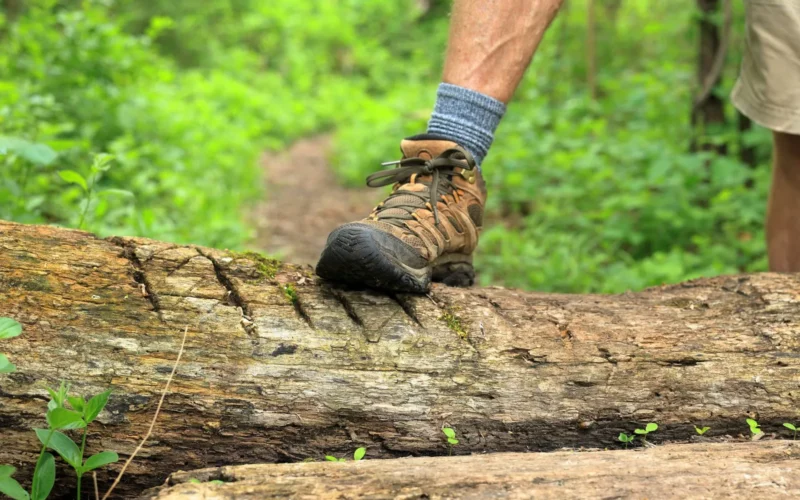
Start with a Kelty Wireless 4 tent ($250–$300), a Coleman North Rim or Kelty Cosmic sleeping bag ($60–$220 depending on budget), and a self-inflating pad ($30–$50). Add a 40–50 liter pack, a headlamp, and a canister stove. That’s a complete, reliable setup for $500–$750. Upgrade individual pieces once you know what you actually care about—lighter tent, warmer bag, bigger pack. You’ll also find solid overlap with beginner hiking gear: boots, base layers, and a rain jacket pull double duty for both.
Frequently asked questions
How much should I spend on my first camping setup?
$500–$800 covers a solid tent, sleeping bag, pad, backpack, and stove. You can start cheaper ($250–$400) with Coleman or Decathlon basics. Spend more on your tent and sleeping bag—a $40 tent fails in wind or rain. Skimp on extras like cookware and utensils until you know what you use.
Can I use a regular backpack instead of a camping backpack?
For car camping with less than 30 minutes of walking, any pack works. For backpacking, no. A camping pack’s padded hip belt shifts 60–70% of the load onto your hips. Without it, a 30 lb load causes shoulder and neck pain within an hour on trail.
What’s the difference between a 3-season and 4-season tent?
A 3-season tent (spring, summer, fall) is lighter, more ventilated, and costs $150–$400. A 4-season tent handles winter snow loads and wind but runs $400–$1,000+ and sleeps hotter in mild weather. Buy 3-season first. If you camp in winter later, upgrade then.
Do I really need a sleeping pad?
Yes. Ground temperature is typically 20–30°F colder than air temperature, and a sleeping bag loses insulation on the side pressed against the ground. A pad costs $30–$60 and is the difference between sleeping and lying awake cold at 2 a.m.
What if I get injured or sick while camping?
Always carry a first aid kit, tell someone your route and return time, and start with short trips close to a trailhead. Carry a whistle—three blasts is the universal distress signal. If you have an existing medical condition, talk to your doctor before your first overnight trip. Don’t camp alone until you’re comfortable with the basics.
Marcus is a cycling coach and hiker who plans routes down to the water stops.